Who this page is for
Private clients, architects, designers, and builders working on entries, patios, pool zones, and perimeter privacy.
Privacy, screening, and finish-control systems for high-end private properties.
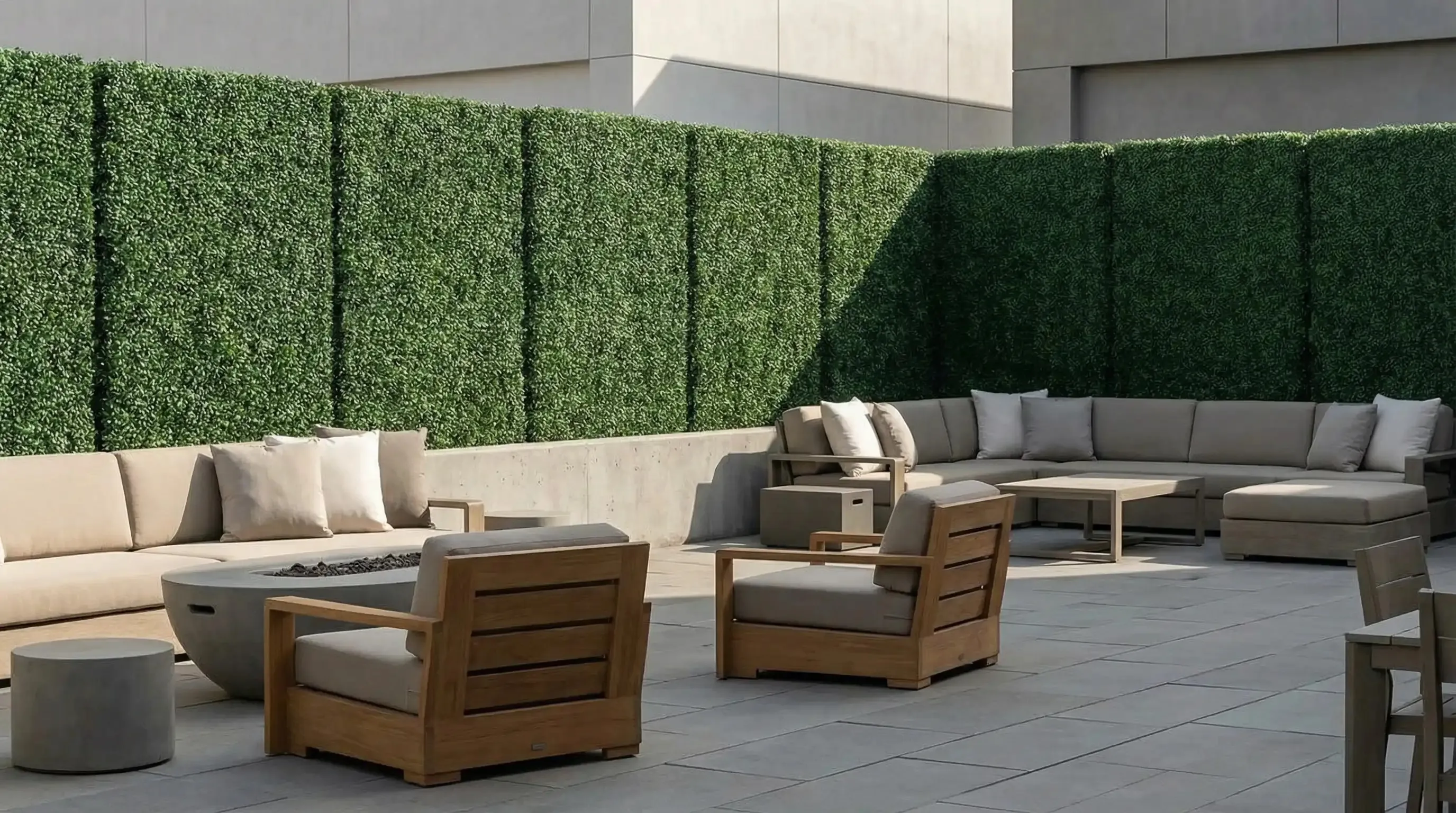
This page is for private clients, architects, designers, and builders evaluating residential artificial landscaping by privacy impact, architectural fit, and long-term upkeep.
Who this page is for
Private clients, architects, designers, and builders working on entries, patios, pool zones, and perimeter privacy.
Where it tends to fit
Best when the property needs privacy or a cleaner green edge without depending on live growth to fill in over time.
What usually weakens scope
Weak scopes usually skip the important views, the existing substrate, or how the finish should read against the architecture.
Residential Properties planning view
Review how property conditions, operational requirements, and finish expectations shape the recommendation.
For private properties, artificial landscaping can be a practical way to improve privacy and visual consistency in selected areas while reducing the irrigation and trimming burden that often comes with live screening.
Residential scopes usually begin with privacy, finish quality, and how the system will read from the most important views around the property. Planning typically starts with sightlines, existing wall or fence conditions, and how the upgrade should integrate with the architecture rather than compete with it.
Planning approach
Recommendations are built around site conditions, operational reality, and the level of finish the property needs to present.
Specification mindset
Product fit is evaluated by substrate, visibility, upkeep load, and installation sequencing rather than broad category claims.
Layout can be tuned to the views that matter most, instead of overbuilding every edge of the property.
Tone, density, and framing can be selected to sit cleanly against stucco, stone, wood, and metal palettes.
Many residential projects reduce irrigation and frequent trimming tasks in the upgraded zones.
Backyards, side yards, entries, and pool zones can often be prioritized in stages to align with budget and timing.
Industry detail
High-end residential work typically starts with a very practical question: which views need to feel more private or more finished, and which ones do not. Owners are usually not trying to turn the whole property into an artificial landscape environment. They are trying to improve the edges that affect comfort, resale perception, and day-to-day use the most. That is why strong residential scopes tend to focus on patios, pool zones, shared lot lines, side yards, and entries rather than applying the same solution everywhere.
Artificial systems can be a better fit in those zones when the owner wants immediate privacy and a more predictable finished look without depending on a live hedge to fill in over time. The real value is not just less trimming or irrigation. It is the ability to create a controlled result in the exact area that matters most, then keep that edge stable through the year. For many residential clients, that reliability is what justifies the upgrade.
Industry detail
A residential installation should not feel like a separate overlay that was added after the real design decisions were made. The best work looks resolved because the height, density, and material direction were selected against the architecture, hardscape, and outdoor lifestyle of the property. A privacy hedge might be perfect beside a pool and completely wrong for a formal entry. A privacy wall might solve a tight side yard more cleanly than any hedge profile could.
This is also why residential clients benefit from project references and guides more than generic inspiration. Seeing how a similar property handled visibility, fence conditions, or pool privacy helps owners understand what they are actually buying: not just a product, but a more controlled edge condition with a clearer maintenance profile and a more immediate finished result.
Related residential project
This case study matters because it shows how Califauxscapes solves privacy and finish issues on a real residential property where the installation has to support both daily use and long-term visual consistency.
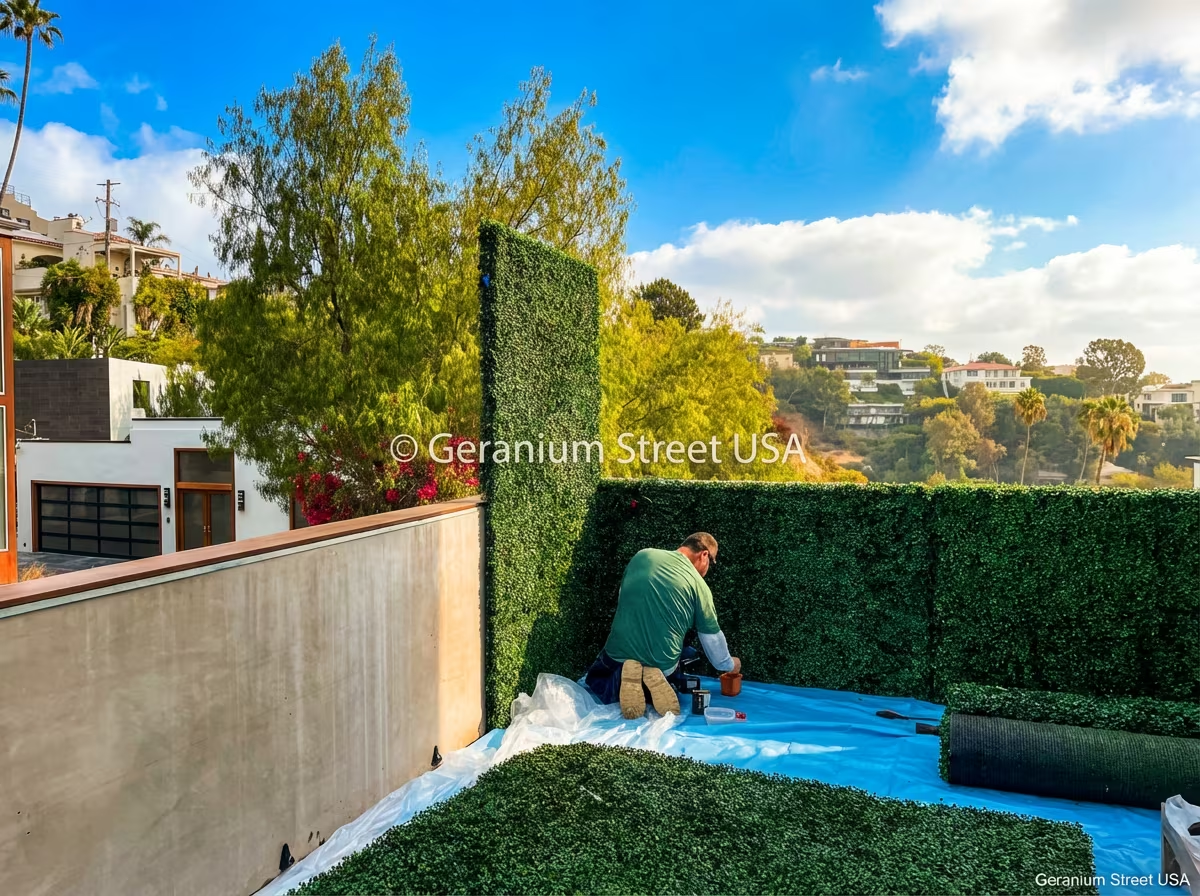
CalifauxScapes installed a 450 sq ft UV-resistant artificial living wall with our Dragon Mat product in a San Diego backyard. Three weeks from bare wall to finished green backdrop. Minimal irrigation, low maintenance.
Open case studyDecision framework
Residential decisions usually get clearer once the owner decides whether the project is about immediate privacy, a stronger finished edge, or a more durable alternative to a maintenance-heavy planted zone.
Best when the property wants a greener, softer visual edge on patios, pools, and yard boundaries.
If the layout is tight or more architectural control is needed, privacy walls may be stronger.
Best when the fence can be upgraded instead of rebuilt and the main issue is height or added screening.
If the owner wants a cleaner rework of the whole edge, other systems may be worth comparing.
Best when the project needs a more precise, compact, or architectural screen.
If the owner wants a more landscape-forward look, hedges often feel more natural.
Coverage
5-year limited UV warranty on qualifying products and 1-year installation workmanship warranty.
Coverage is limited and subject to product eligibility, installation scope, and written warranty terms.
5-year limited UV
1-year installation
Written terms apply
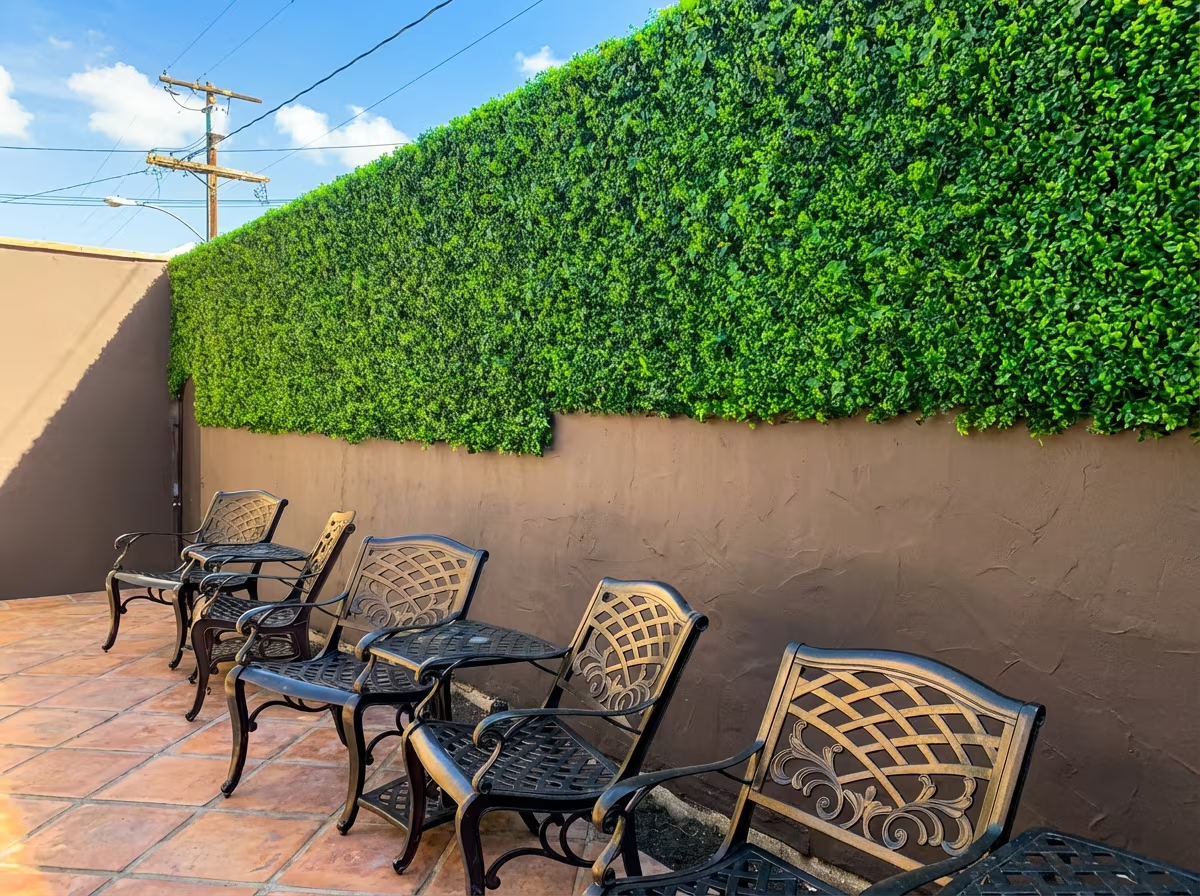
residential
San
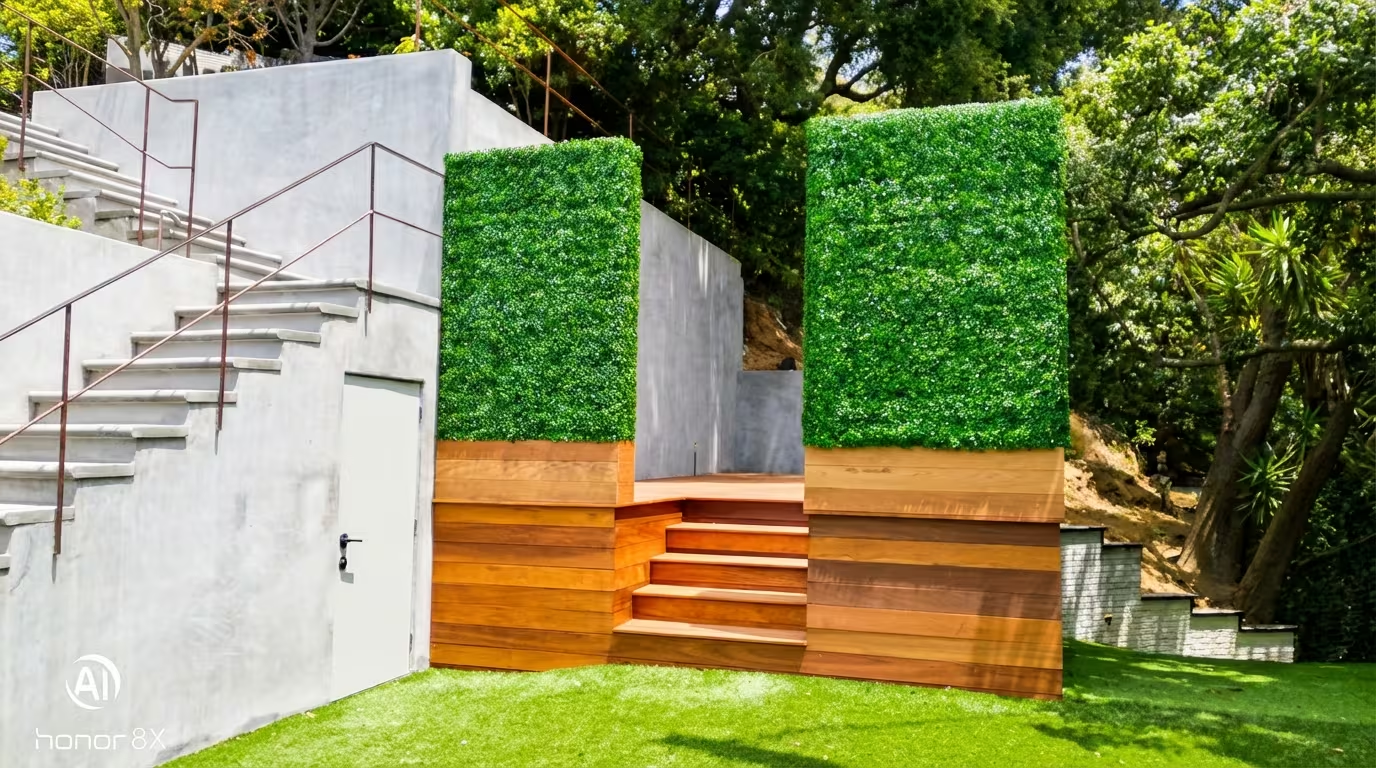
residential
artificial hedges Brentwood
residential
Brentwood
Yes. Many private-property scopes combine privacy hedges, fence extensions, and selective wall features based on visibility, architecture, and where privacy is actually needed.
It usually reduces routine landscaping effort in treated areas, but periodic cleaning and inspections are still recommended.
It depends on local jurisdiction, fence height, and HOA rules. Requirements should be confirmed before final scope.
A site visit is typically needed to verify dimensions, substrate condition, and installation constraints.
Bring the site condition, the property type, and the main design objective. We can help clarify the right system, the likely installation path, and the next step for scope review.
Request project reviewIndustry
Guest-facing greenery systems for hotels, venues, restaurants, and event properties.
Industry
Screening, frontage, and amenity upgrades for active commercial properties.
Industry
Amenity, perimeter, and resident-facing privacy solutions for apartments and condo communities.
Industry
Branded greenery systems for employee, client, and campus-facing environments.