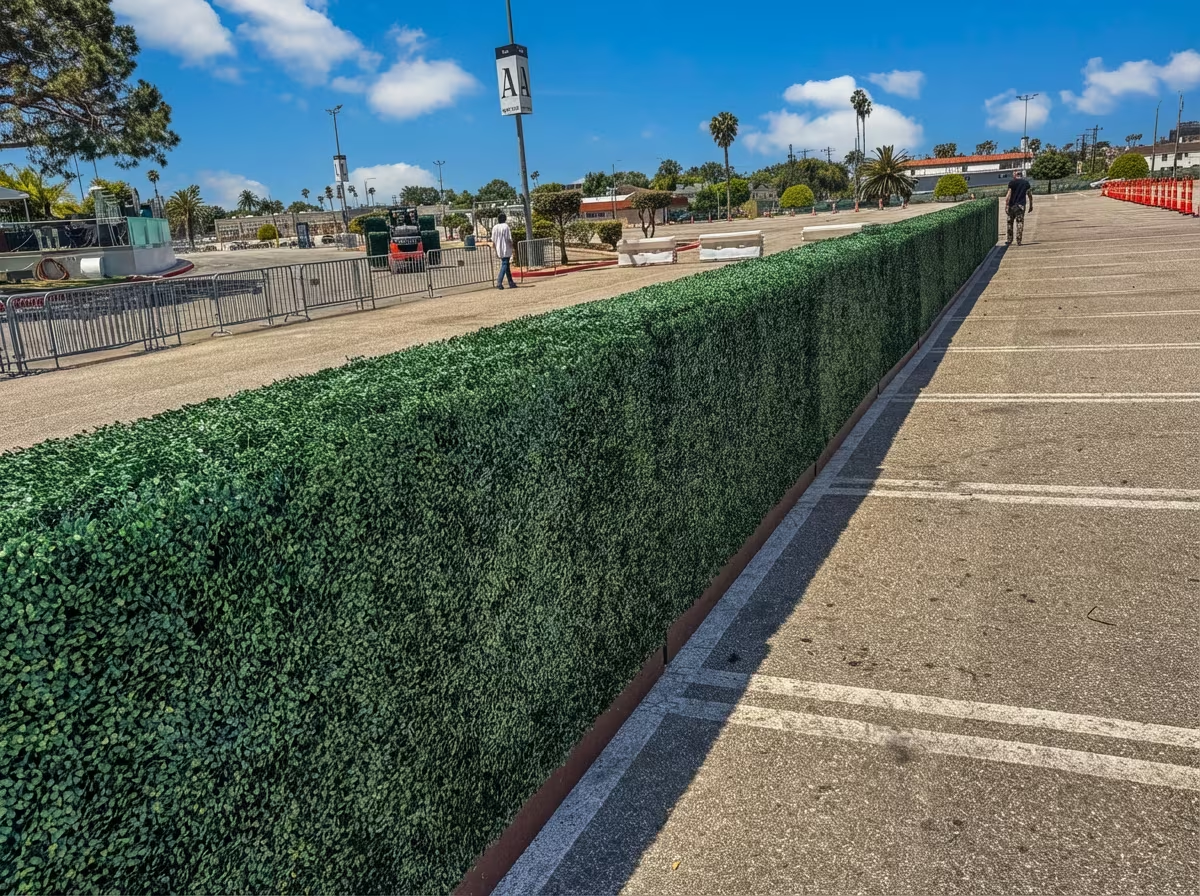
A California planning guide for privacy, screening, and long-term ownership.
By Alex TarnowskiUpdated February 14, 20269 min read
Planning snapshot: artificial and natural hedge systems
Reference: hedge-comparison
Artificial Landscaping
+Can reduce irrigation demand in treated zones
+Often lowers recurring trimming requirements
+Supports consistent visual coverage through seasonal shifts
+Performance depends on material grade and installation detail
Natural Landscaping
-Often requires reliable irrigation and seasonal care
-Can need recurring pruning and plant health management
-Appearance can vary based on climate and maintenance quality
-Long-term cost profile depends on service intensity
At a glance
This guide is for owners, architects, designers, and builders comparing hedge strategies for privacy-critical California projects. It covers the real differences in water use, maintenance, design control, and long-term ownership so teams can decide where artificial hedges, natural hedges, or a hybrid layout make the most sense.
Planning note: any timelines, cost examples, or ownership comparisons in this guide are for early specification and budgeting conversations only. Final scope depends on existing conditions, attachment strategy, access, and field verification.
Table of contents
The right hedge decision usually comes down to what the property has to do after install. On some sites, the brief is straightforward: create privacy quickly, hold a consistent line, and avoid adding more irrigation and horticulture work. On others, living material is part of the design language and the ownership team is prepared to support it long term.
That is the lens this guide uses. Not artificial versus natural as a style argument, but as an ownership and specification decision. If the project team is comparing privacy edges, pool screening, frontage upgrades, or side-yard buffering in California, these are the tradeoffs that matter most.
Start with the performance brief, not the plant list
A hedge is usually being asked to do one or more specific jobs: block a neighboring view, soften a hard edge, create a cleaner architectural backdrop, or upgrade a fence line without rebuilding it. Once those jobs are defined, the comparison becomes clearer.
Natural hedges can be an excellent fit where irrigation is reliable, site conditions are favorable, and the property is already set up for ongoing horticultural care. Artificial hedge systems are typically specified when immediate screening, stable density, and lower recurring landscape labor are more important than seasonal change. On larger properties, the most effective strategy is often zone-specific rather than all-or-nothing.
“On properties where we install both artificial and live systems in different zones, the decision almost always comes back to maintenance budget and irrigation access -- not aesthetics. The zones without reliable water or consistent landscape labor are where artificial hedges make the strongest case.”
— Alex Tarnowski, Founder, Califauxscapes
Choose artificial first when
The project needs immediate privacy, a controlled finished line, and lower ongoing landscape labor in the treated zone.
Choose natural first when
The site can support irrigation, horticultural maintenance, and the design intent depends on living material over time.
Use a hybrid when
Some areas need immediate screening while other zones can support natural planting and longer grow-in periods.
Evaluate by zone
A front approach, pool edge, service court, and rear boundary often have different visibility, maintenance, and privacy requirements.
Water, maintenance, and labor are usually the real separator
Natural hedges bring recurring obligations with them: irrigation, pruning, plant replacement, pest management, and periodic reshaping to maintain a consistent line. HomeGuide's 2025 pricing data puts professional hedge trimming at roughly $40 to $100 per hour, and EPA WaterSense notes that outdoor water use can account for up to 60% of household consumption in arid regions. The Public Policy Institute of California has also identified landscape irrigation as the largest remaining opportunity for urban water savings statewide.
Artificial hedge systems do not eliminate maintenance, but they do change its profile. In the treated area there is no irrigation demand, no grow-in period, and no seasonal pruning cycle. Upkeep is generally limited to cleaning, inspection, and occasional targeted service. For properties where landscape labor is already stretched, that difference is often more important than the visual debate.
Up to 60%
Outdoor water use
Share of household use in arid regions (EPA WaterSense)
2-3x / yr
Typical pruning cadence
Natural hedge trimming on average (HomeGuide, 2025)
$40-$100/hr
Trimming labor
Professional hedge trimming (HomeGuide, 2025)
0 irrigation
Artificial hedge zone
No irrigation required in the treated area
Appearance over time is a design-control question
Natural hedges can look exceptional, but they rarely hold a perfectly uniform density or edge condition without regular intervention. Growth patterns shift. Sun exposure changes one side faster than the other. Thin spots appear. Replacement material rarely matches the original line immediately.
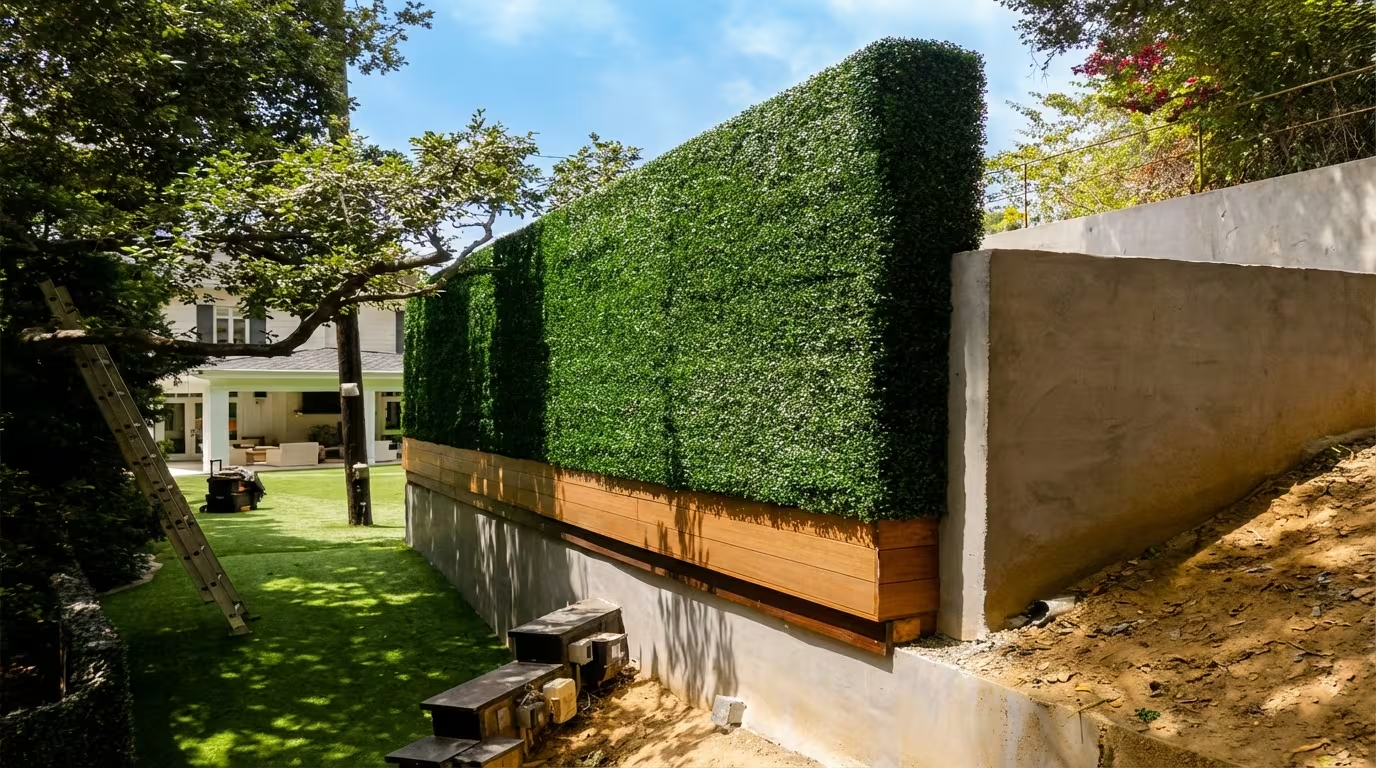
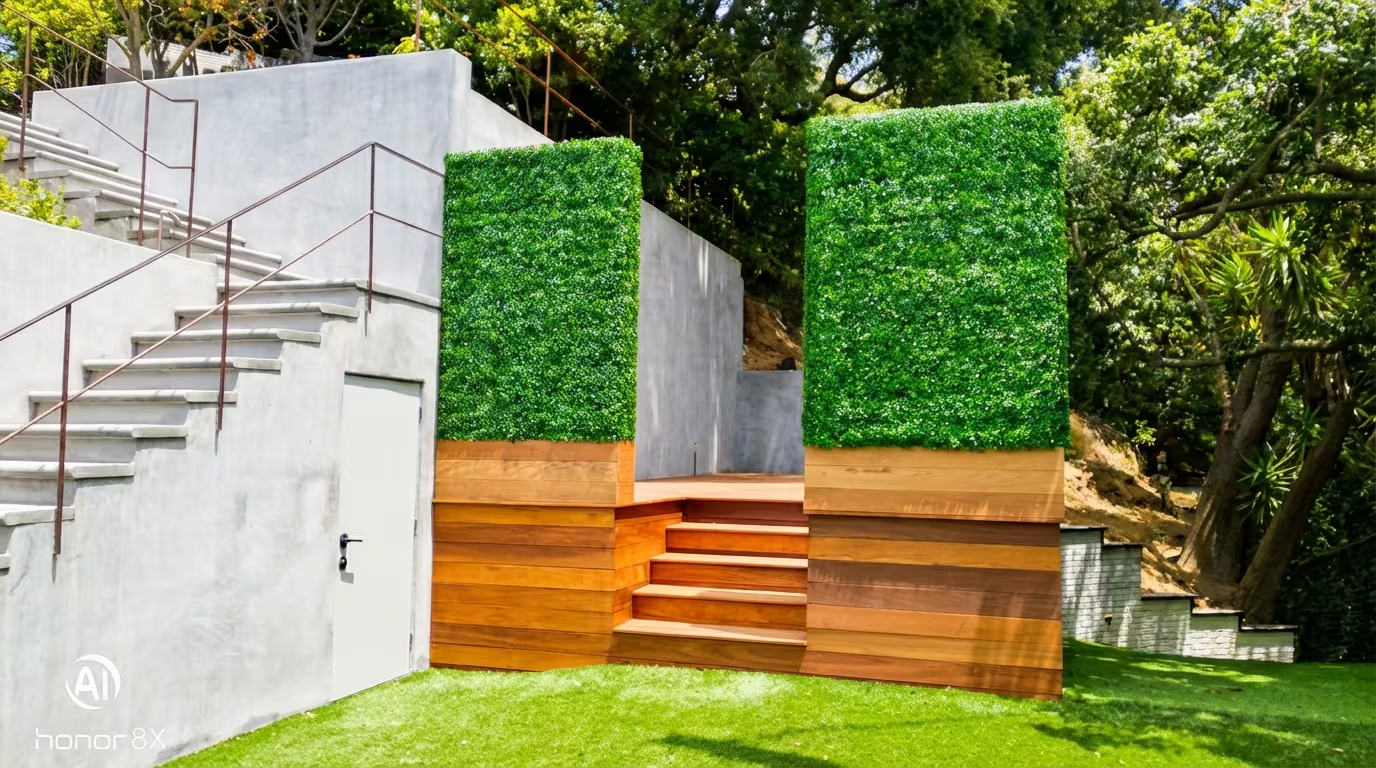
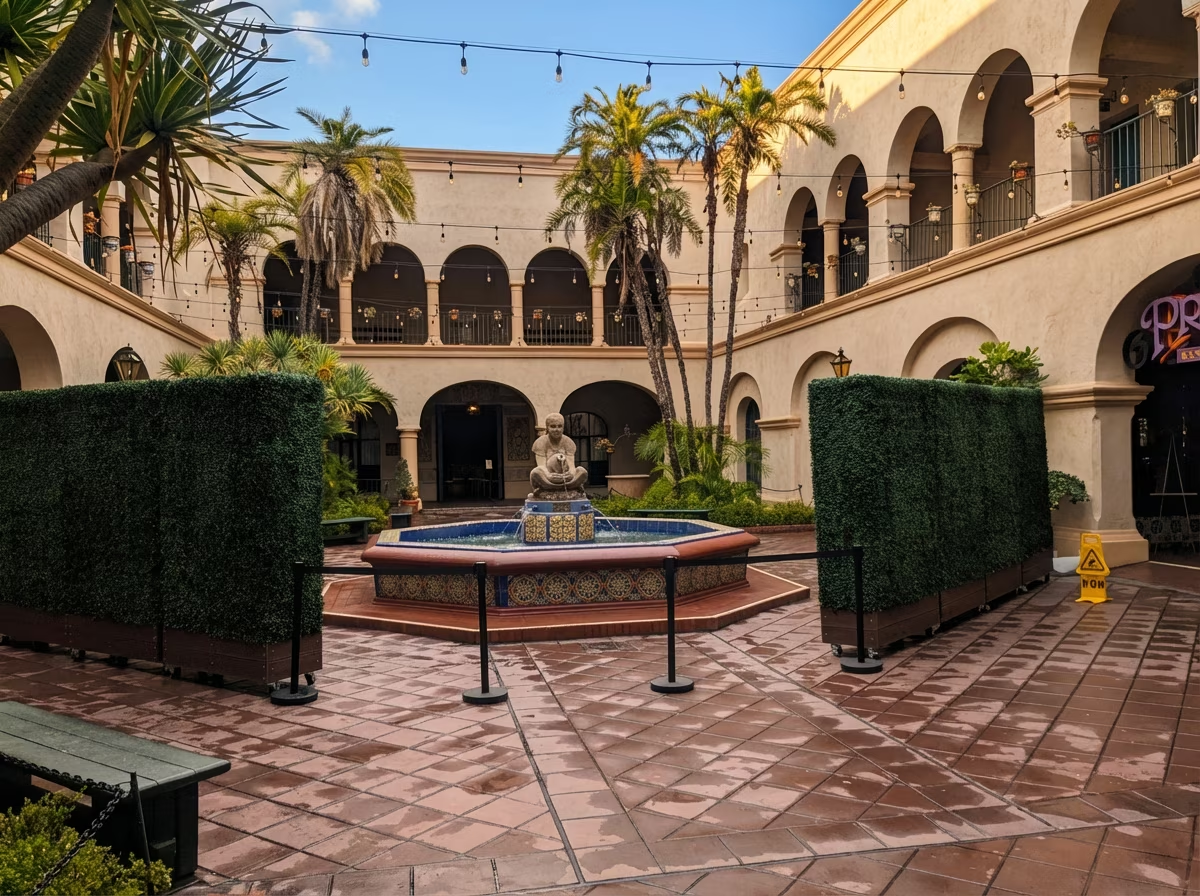
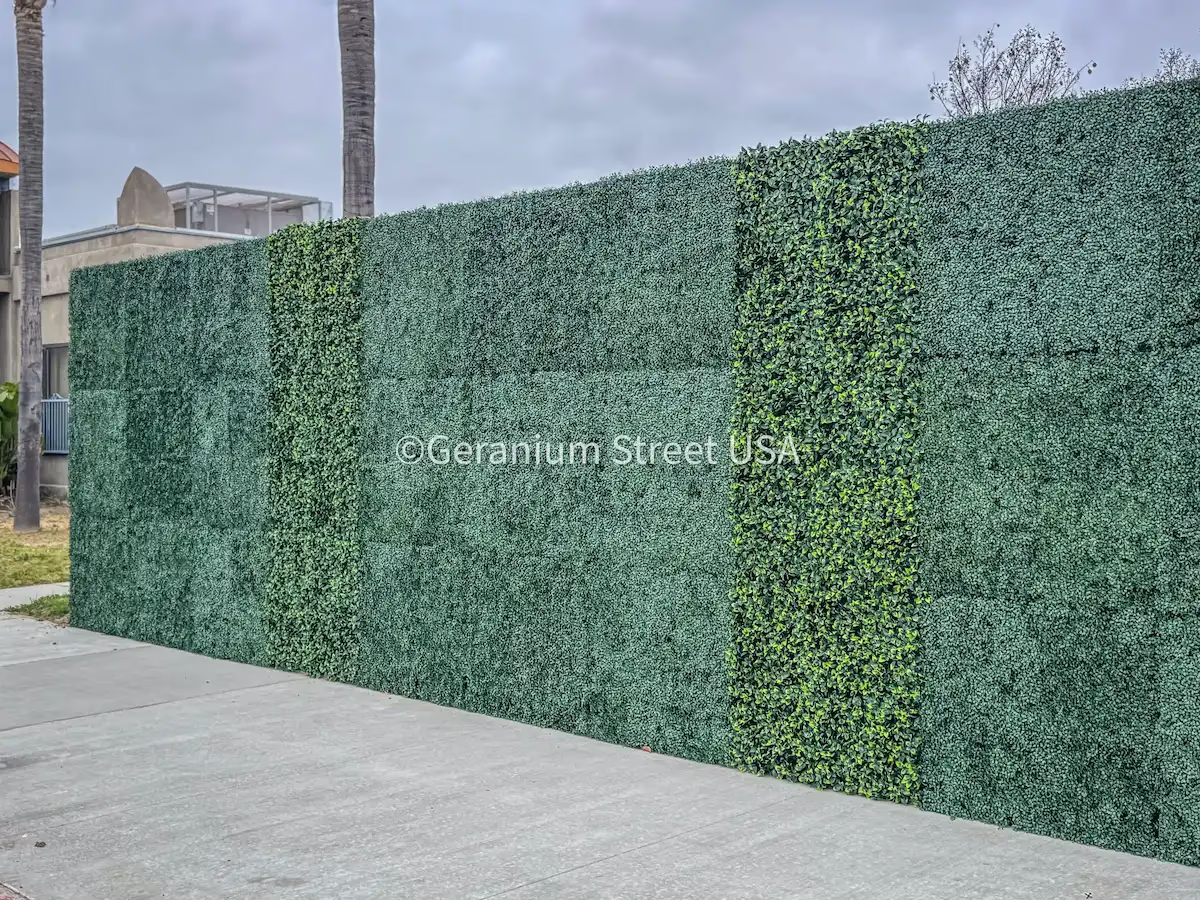
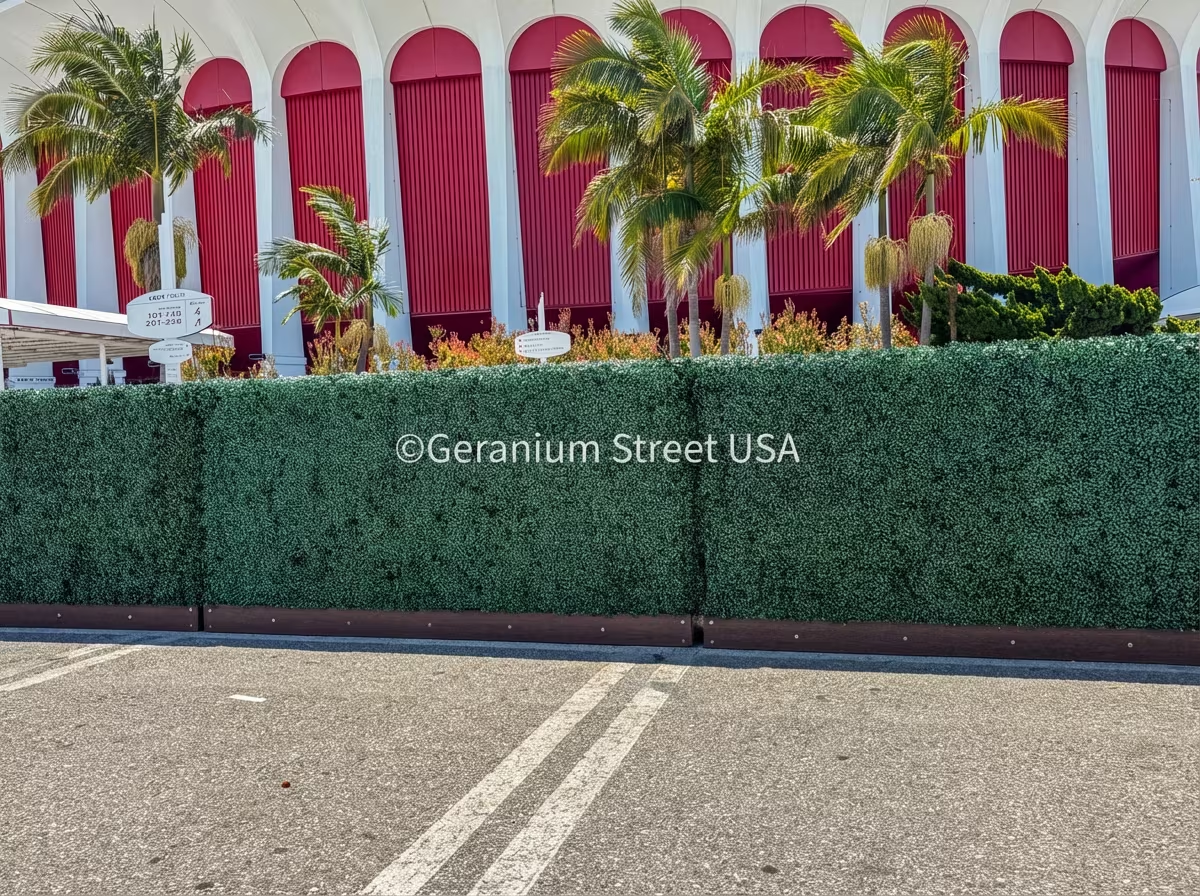
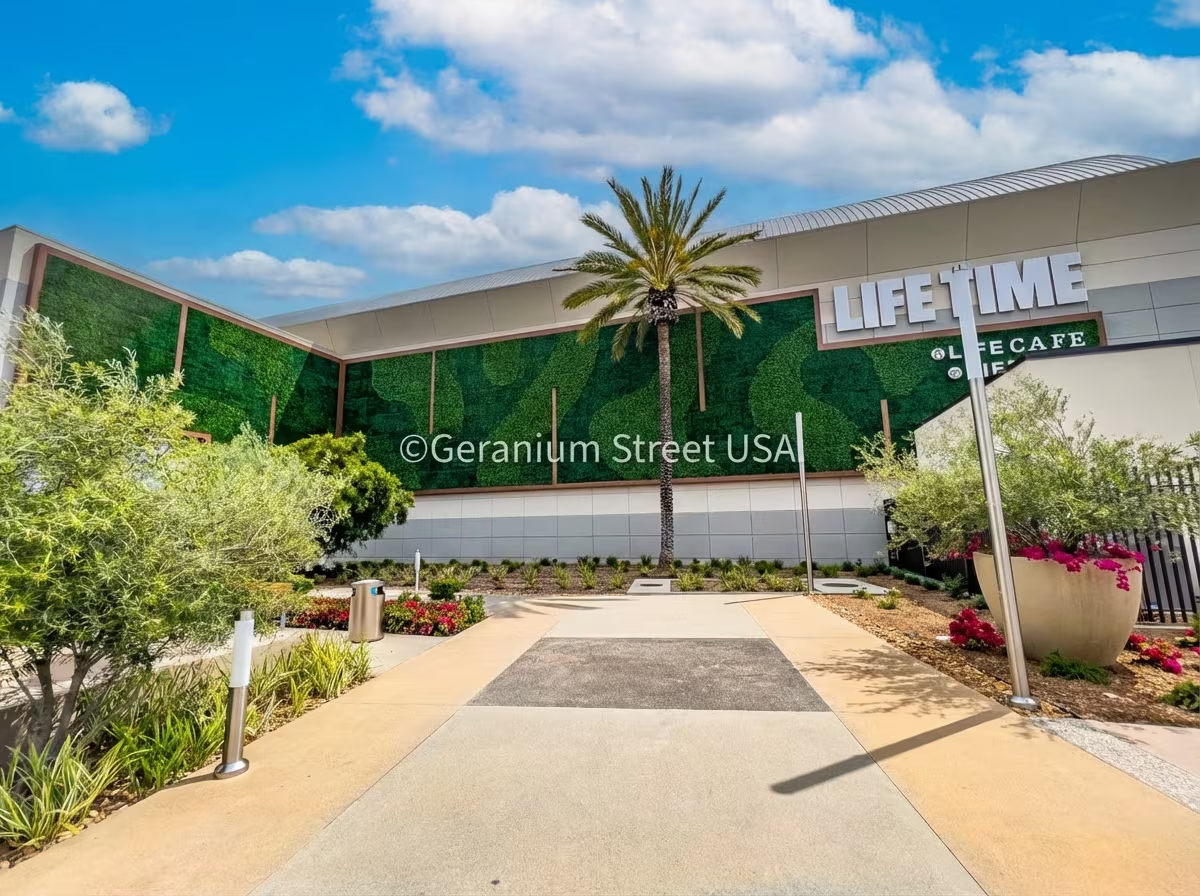
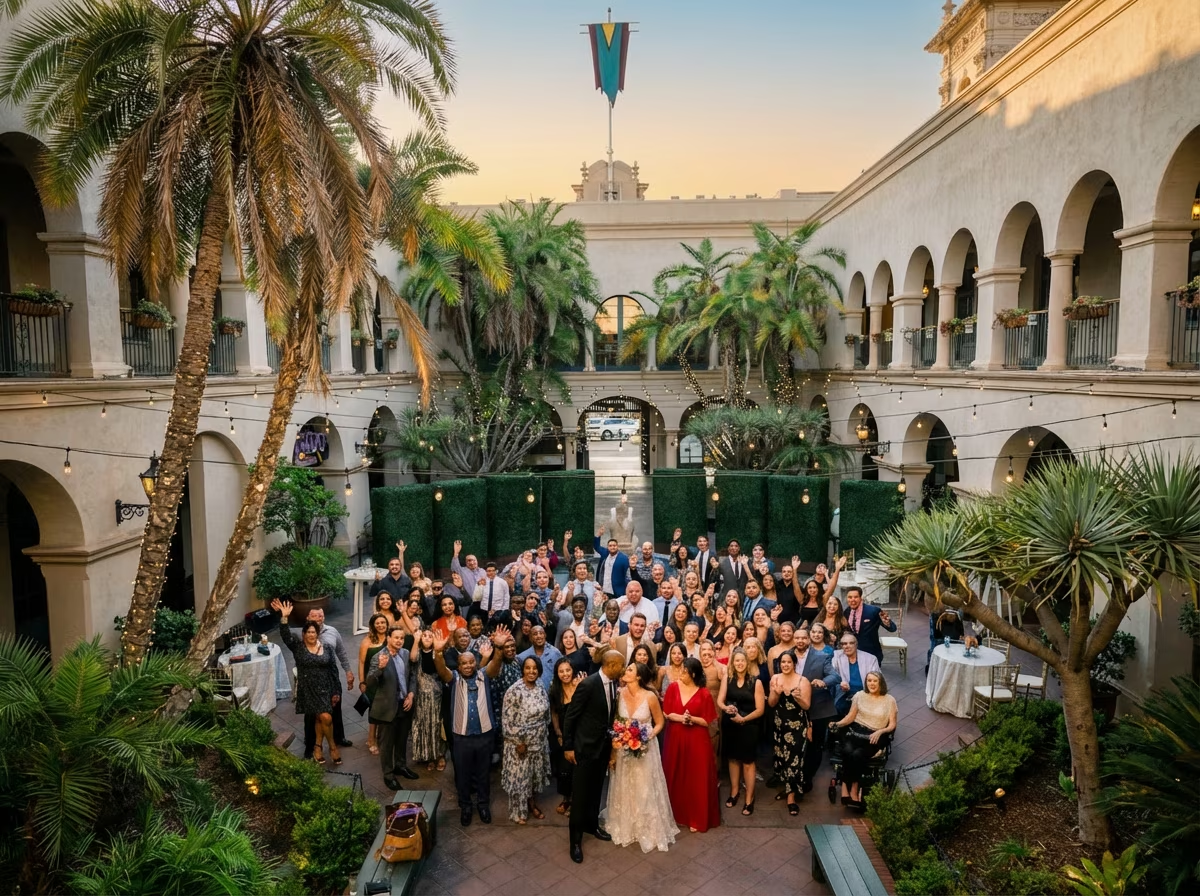
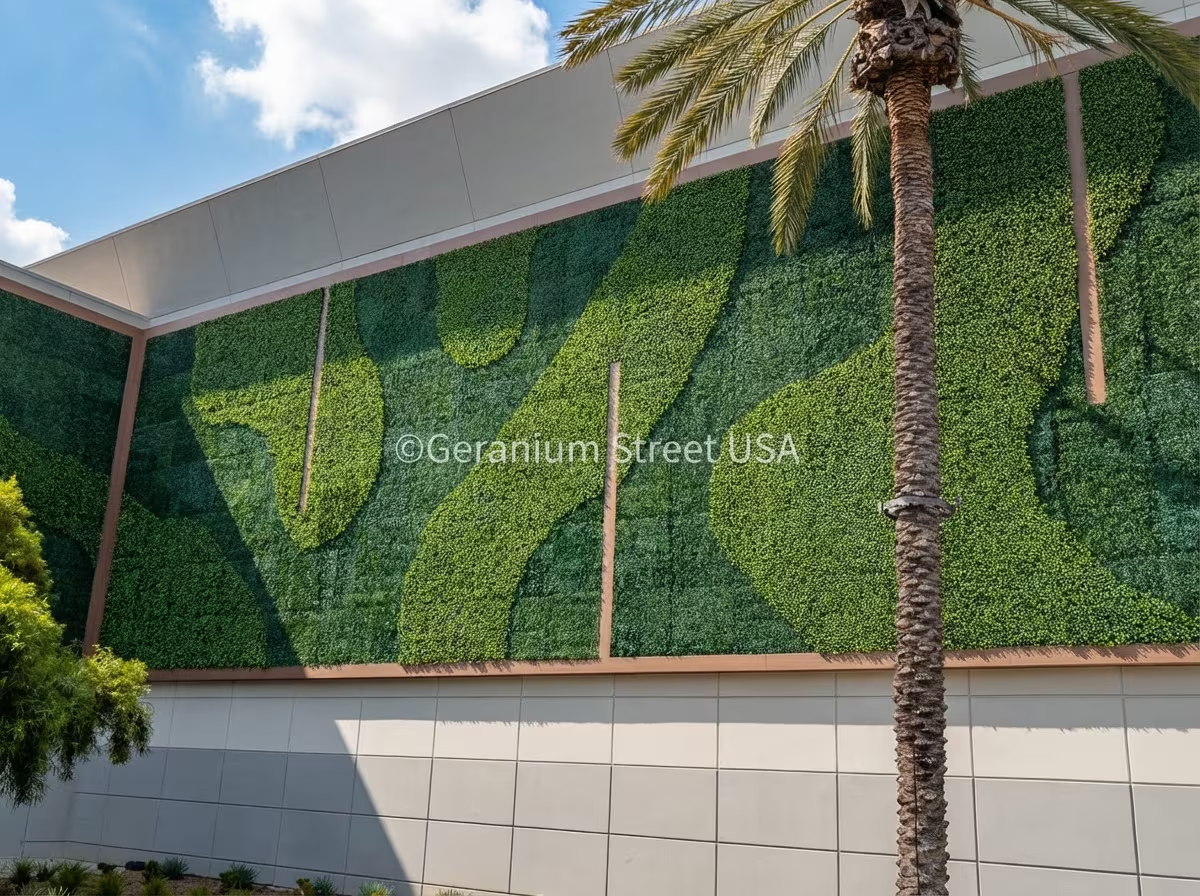
Artificial systems trade biological variation for control. Coverage, density, and edge profile are defined on install day. That is one reason they are frequently used where a property needs privacy to read finished immediately: hospitality terraces, pool decks, multifamily edges, and high-end residential yards. The caveat is that artificial hedges only look premium when panel density, transitions, returns, and base detailing are handled properly. The visual quality comes from design discipline, not just from choosing the category.
Up to 60%
Outdoor water use
Share of residential water used for landscaping in arid California regions (EPA WaterSense)
$40-$100/hr
Hedge trimming cost
Professional trimming rate per HomeGuide 2025
0 gal
Irrigation for artificial
Artificial hedges require no irrigation in the treated zone
2-5 yrs
Natural hedge grow-in
Typical time for live hedge to reach full screening density
Where design control differs by system
Reference: appearance-control
Site Review
Dimensions, substrate, and access validation
System Fit
Match product behavior to project goals
Execution
Stage delivery and document care expectations
A practical way to decide
Choose natural when living material is central to the design intent, irrigation is dependable, and the ownership team is prepared for ongoing care. Choose artificial when the project needs immediate screening, tighter visual control, and lower recurring maintenance in the finished zone. Choose a hybrid approach when the property has a few privacy-critical locations that need certainty now, while other areas can develop over time.
For design teams and builders, the key is to make that decision before the privacy edge is detailed. Hedge strategy affects wall heights, planter sizing, irrigation planning, maintenance access, and budget assumptions. Treat it as an early-scope decision, not a finish selection at the end.
Factor
Artificial Hedge
Natural Hedge
Installation timeline
Immediate full coverage
2-5 year grow-in period
Water demand
None
Regular irrigation required
Ongoing maintenance
Periodic cleaning and inspection
Trimming, fertilizing, pest management, plant replacement
Design intent depends on living material, site supports irrigation
Last reviewed February 2026 · Content is reviewed periodically and updated when new information is available.
FAQ
Do artificial hedges always cost less over time?
Not always. Cost outcomes depend on irrigation rates, trimming frequency, replacement planting, material selection, and project scale. For many California properties, removing irrigation and regular pruning from the treated area produces meaningful long-term savings, but that should be evaluated against the actual site conditions and the finish quality expected.
Can both systems be combined on one property?
Yes. Hybrid layouts are common when one part of the property needs immediate privacy while lower-priority zones can rely on living planting and a longer growth timeline.
Is one option always better for privacy?
No. Privacy performance depends on height, density, placement, and how the edge is detailed. Both systems can work when the design intent and maintenance model are aligned with the property.
Need project-specific guidance before design or procurement moves forward?
Share the site conditions, privacy goals, or wall type you are evaluating and we can help you narrow the right system for the project.