Can all existing fences accept extensions?
No. Suitability depends on structural condition, material type, and local requirements.
How to evaluate privacy upgrade paths before rebuilding an entire boundary.
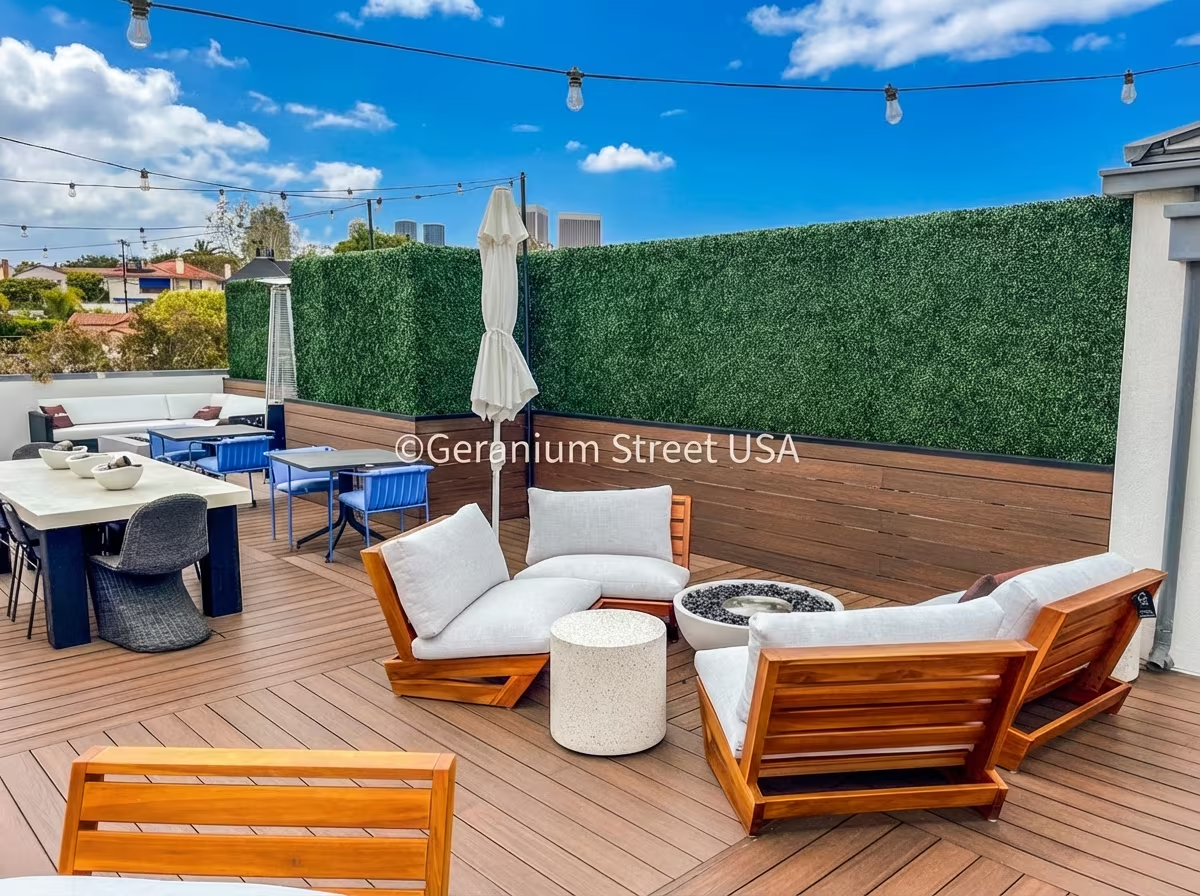
Reference: fence-extension-options
Dimensions, substrate, and access validation
Match product behavior to project goals
Stage delivery and document care expectations
At a glance
This guide helps project teams compare fence extension strategies before assuming an existing boundary can simply be built upward. It covers structural readiness, attachment logic, design integration, and the maintenance expectations that shape long-term success.
Fence extensions are usually considered when the existing boundary is still serviceable but does not provide enough height, density, or privacy. In those cases, the question is not just whether more screen can be added. It is whether the existing structure can accept it, whether the visual result will feel intentional, and whether the added system will perform well over time. That is why fence extensions need to be treated as a design and structural question together. This guide covers the most common upgrade paths and the technical checks that should happen before a team assumes the existing fence can carry the solution.
“The most common mistake on fence extension projects is skipping the structural check. A fence that was built for 6 feet of coverage may not support 8 feet of wind load. We always evaluate the existing fence condition before recommending an extension height.”
— Alex Tarnowski, Founder, Califauxscapes
Fence condition
The existing structure has to be worth building on.
Attachment path
How the extension connects matters as much as the material above it.
Wind and exposure
Added height changes how the boundary behaves under environmental load.
Height limits
Local rules and neighboring conditions should be reviewed before design is finalized.
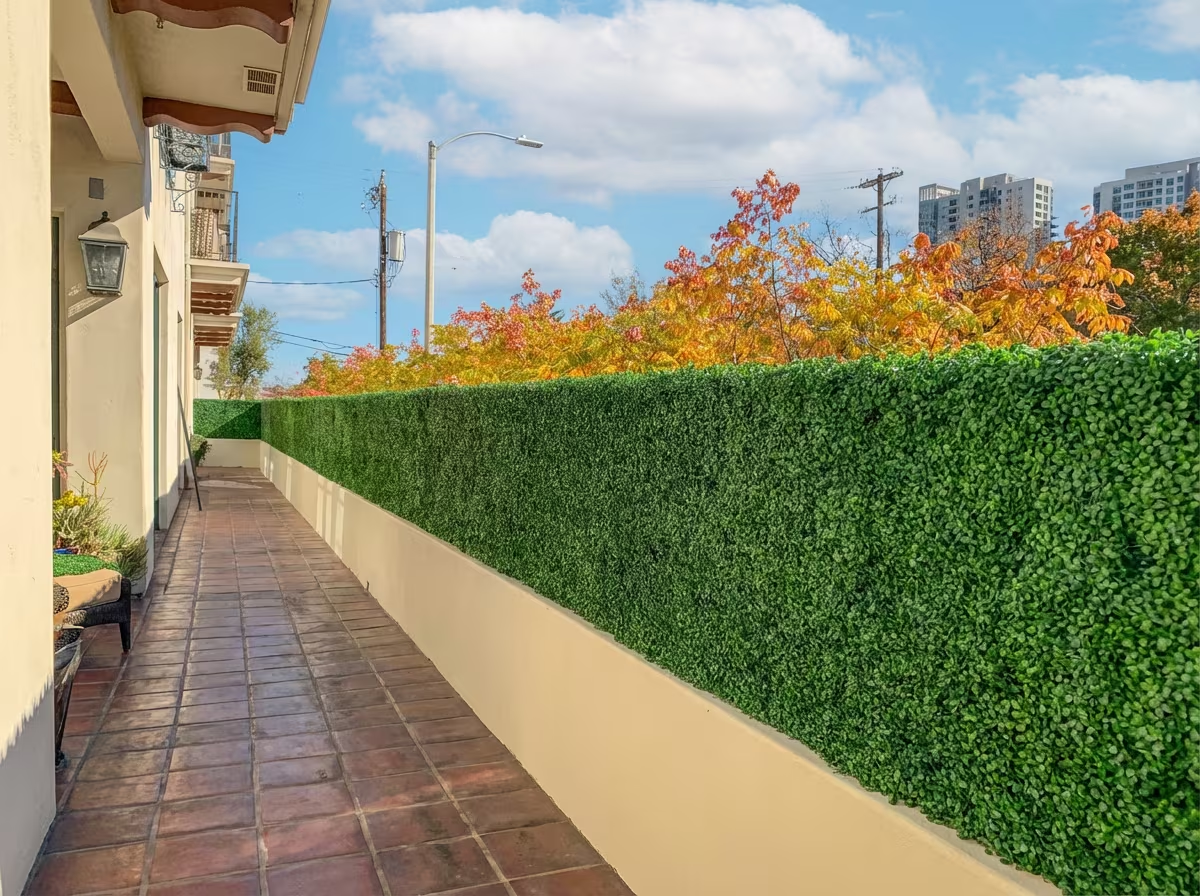
Last reviewed February 2026 · Content is reviewed periodically and updated when new information is available.
No. Suitability depends on structural condition, material type, and local requirements.
Not always. Final cost depends on existing fence condition and required detailing.
Yes. They generally need periodic cleaning and inspection like other exterior systems.
Share the site conditions, privacy goals, or wall type you are evaluating and we can help you narrow the right system for the project.
Request project review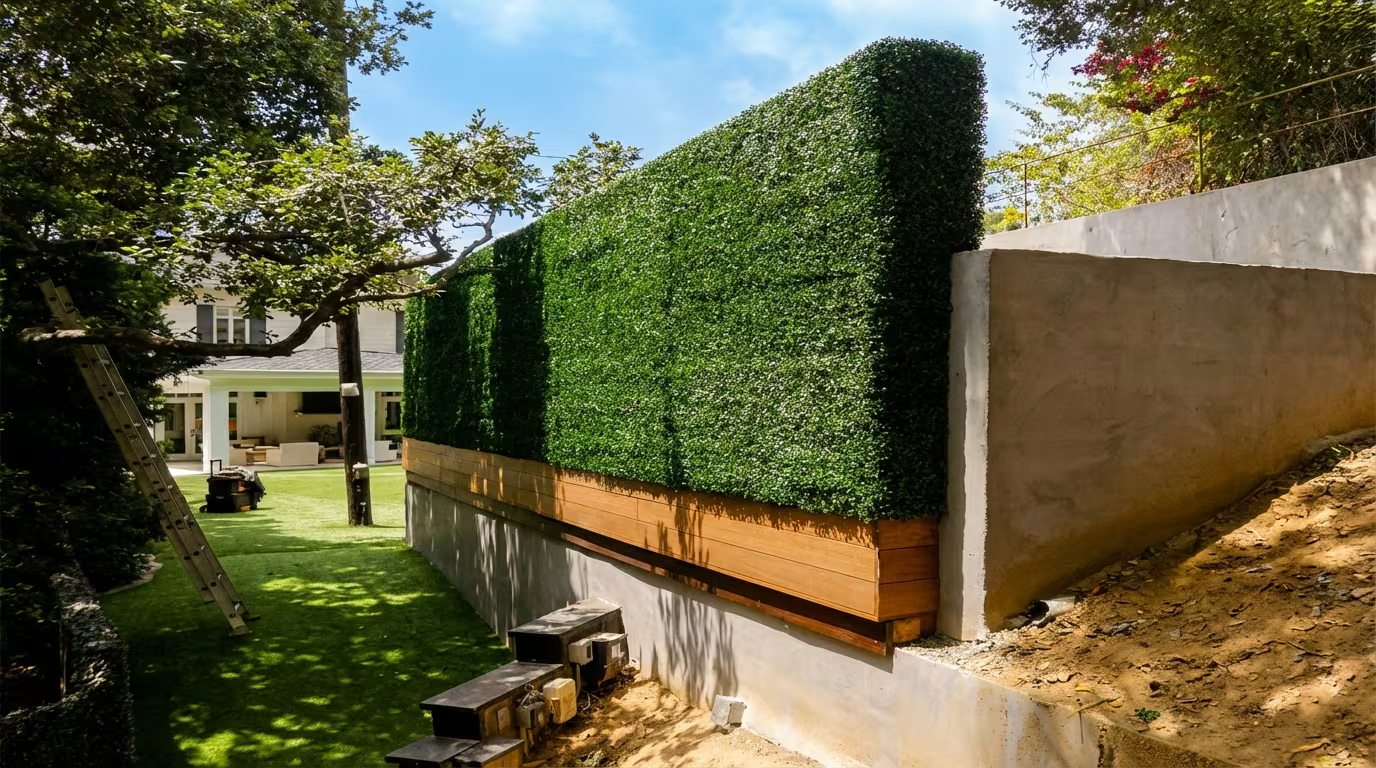
A California planning guide for privacy, screening, and long-term ownership.
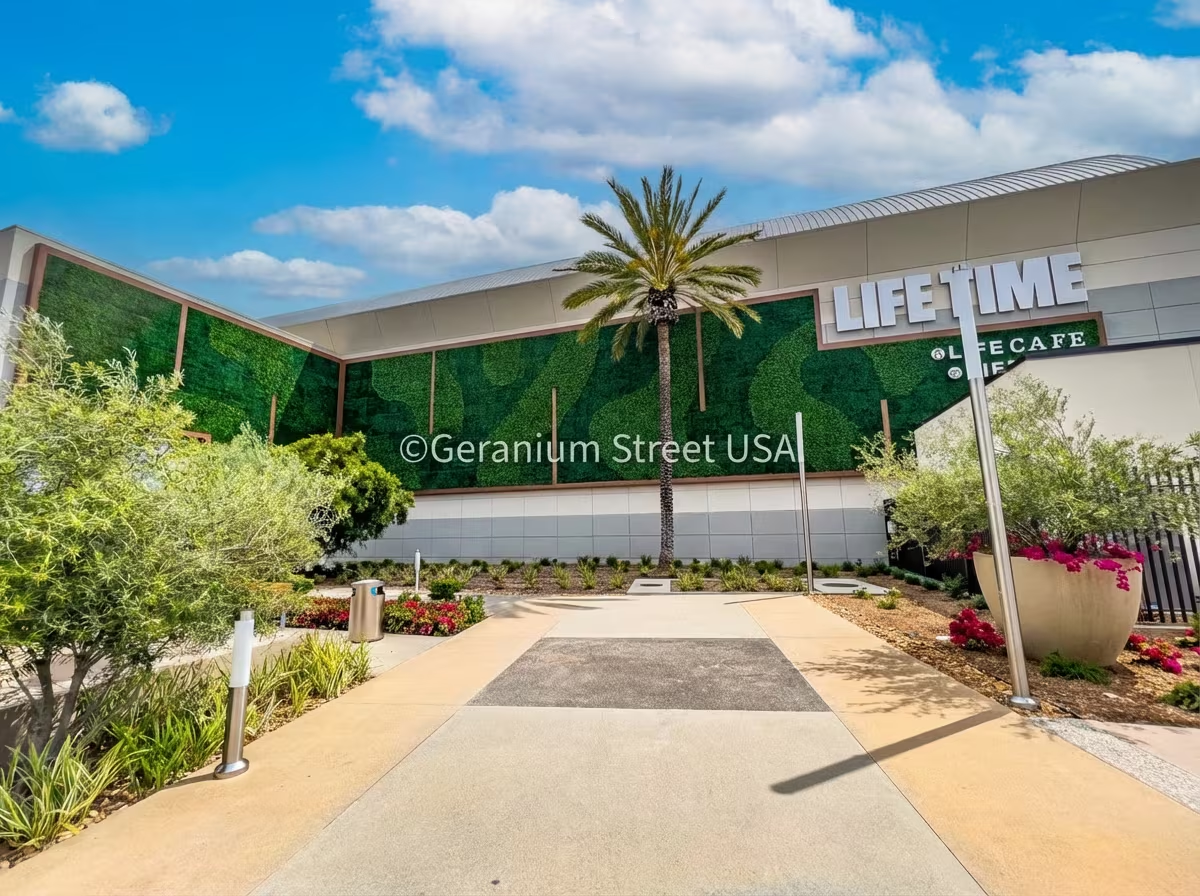
A California planning guide for architects, designers, builders, and owners.

How commercial teams scope visible landscape upgrades without creating operational drag.
How to budget with real site variables instead of generic square-foot promises.