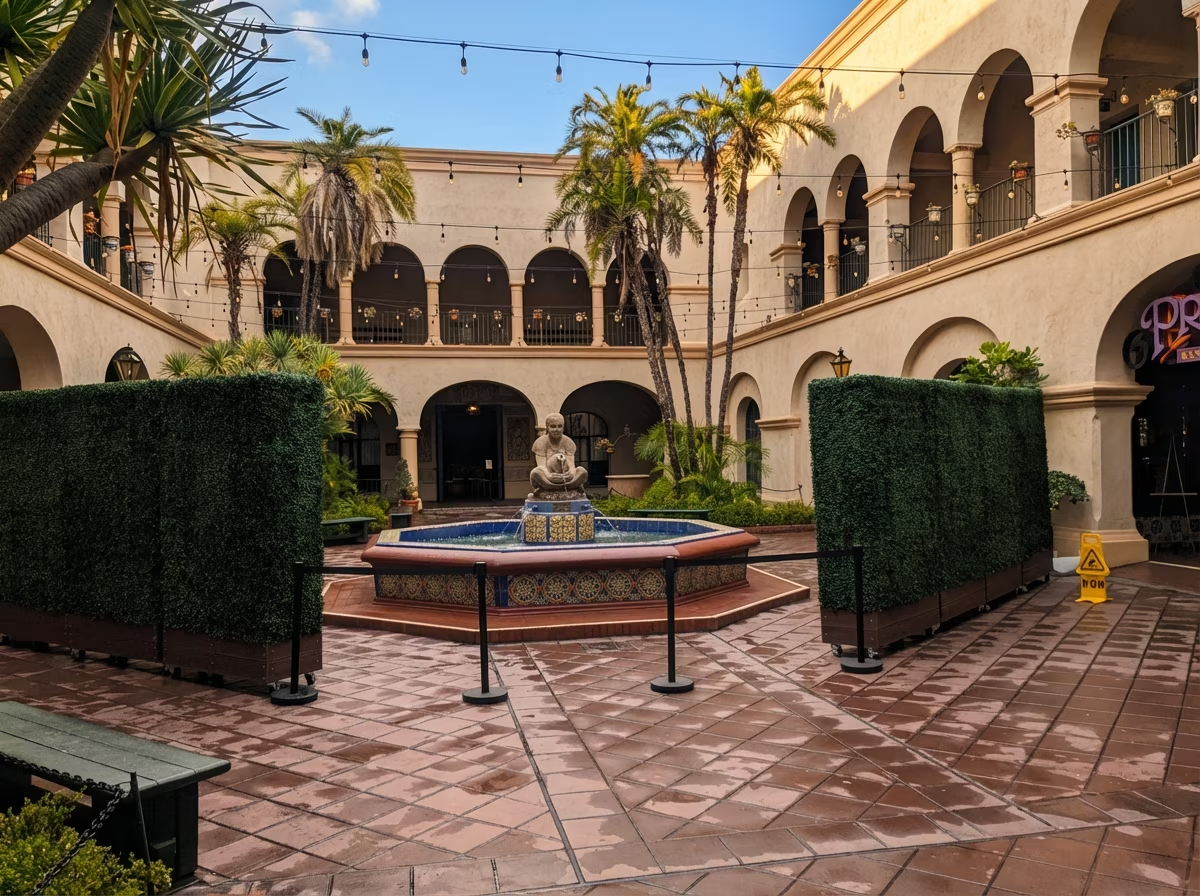
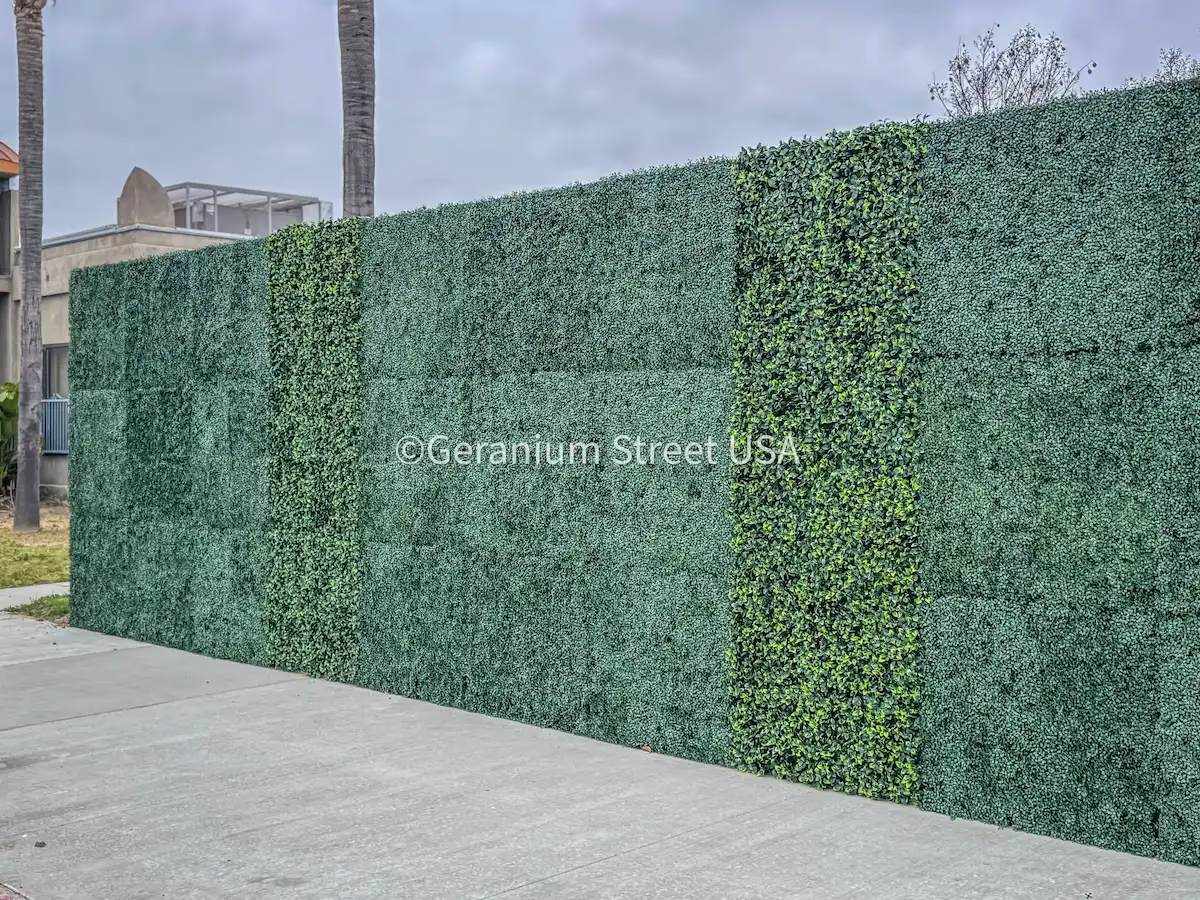
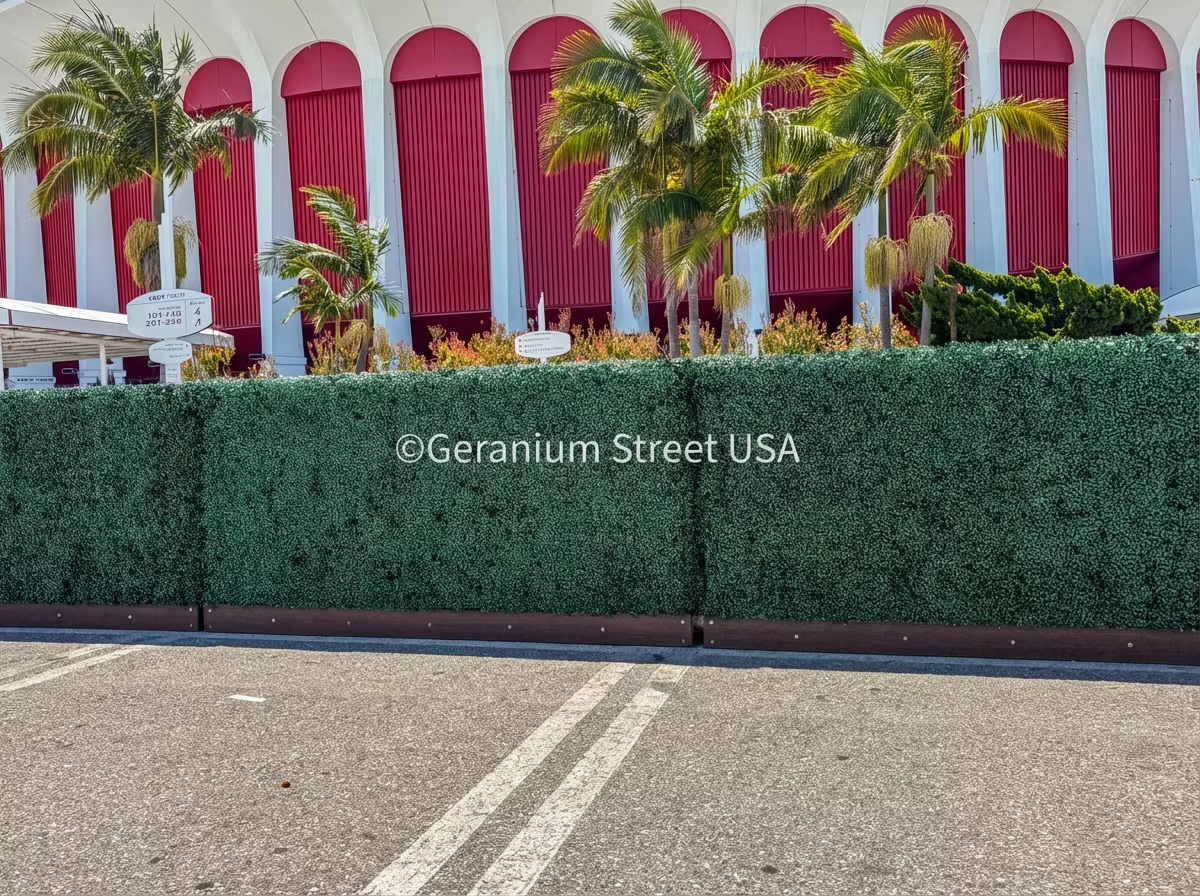
Can commercial projects be delivered while tenants remain active?
Often yes, if phasing and access management are planned in advance.
How commercial teams scope visible landscape upgrades without creating operational drag.
Reference: commercial-planning-signals
Irrigation demand signal
Treated zones may require less routine watering input.
Maintenance effort signal
Many projects reduce trimming frequency, not all upkeep.
Ownership-cost signal
Total cost depends on scope complexity and service model.
At a glance
This guide is for commercial owners, design teams, and builders evaluating artificial landscaping by project condition rather than by trend. It covers zone planning, installation sequencing on active sites, and the maintenance assumptions that need to be documented before sign-off.
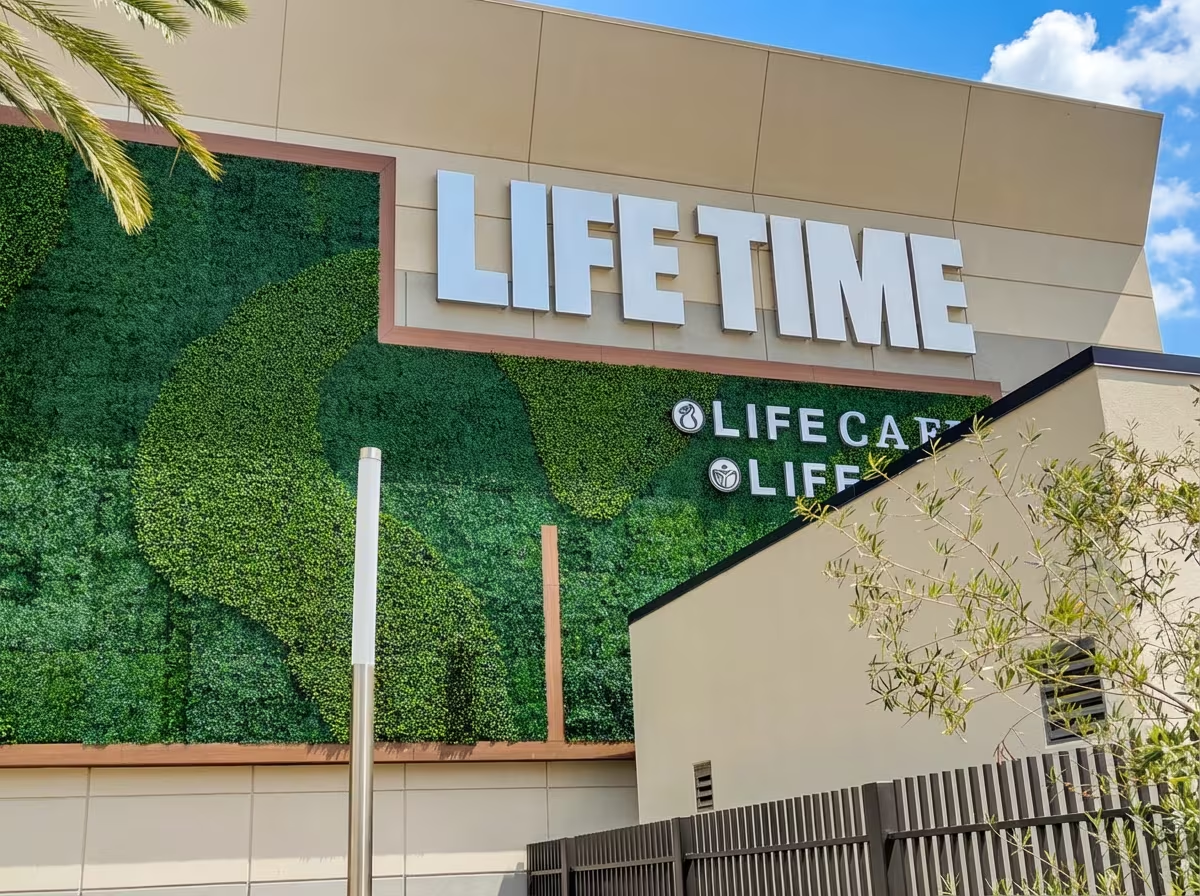
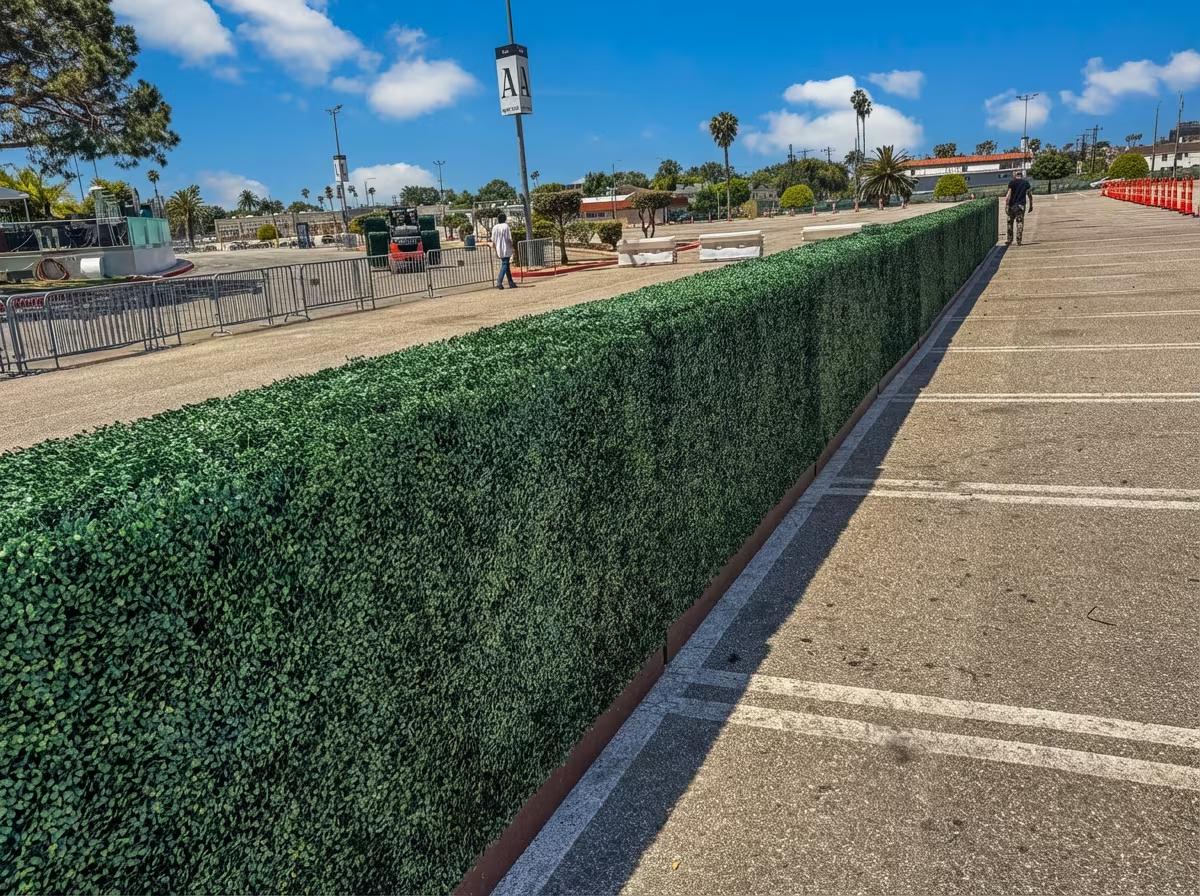
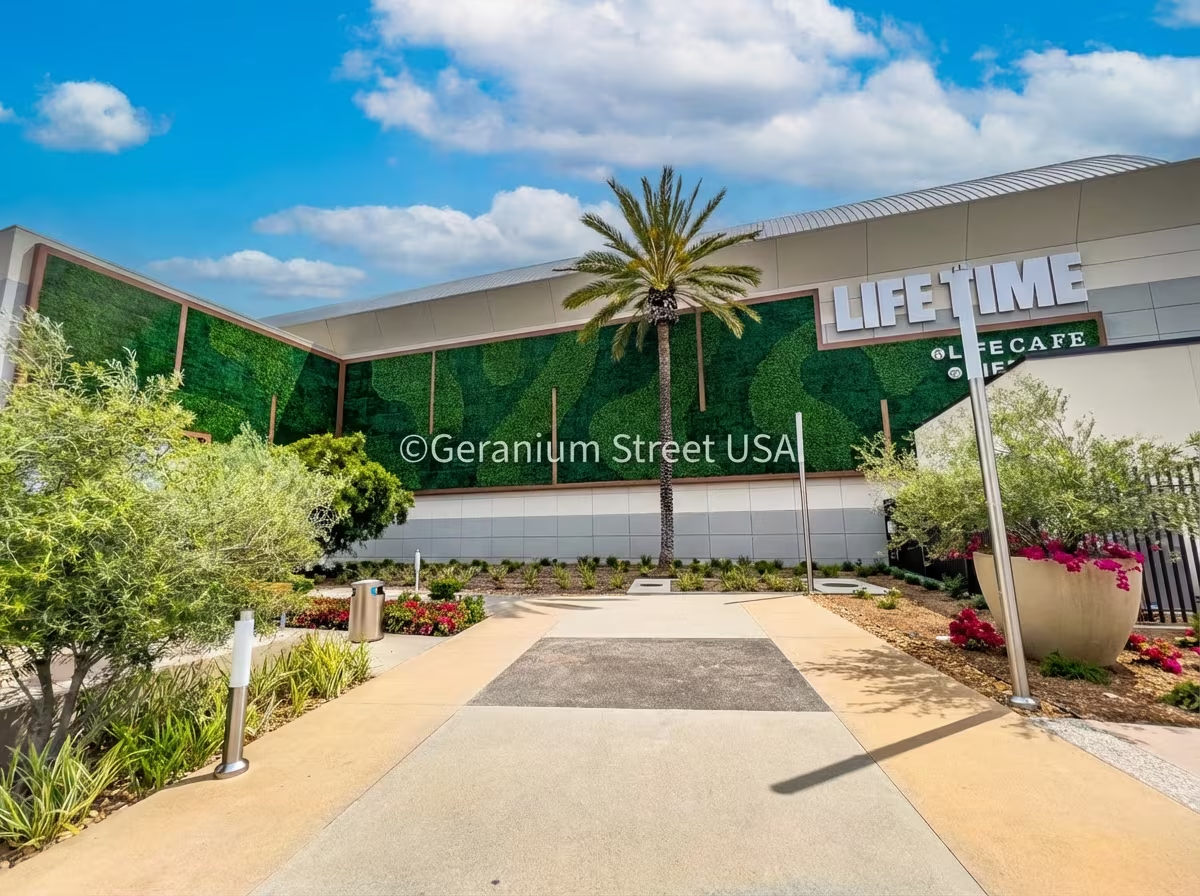
Commercial landscape decisions usually start with a visible problem: a frontage that feels unfinished, a privacy edge that does not screen enough, a service area that reads too hard, or an amenity zone that needs stronger visual presence without adding irrigation-heavy planting. Artificial systems are often considered when the project needs to look resolved quickly and remain manageable for the operations team after turnover. That does not make every commercial site a fit. The right decision depends on public visibility, substrate conditions, phasing constraints, and how much maintenance the property can realistically support. This guide is written to help teams sort those variables before they lock in layout, pricing, or procurement assumptions.
Frontage and arrival
These areas usually carry the highest brand and first-impression value.
Amenity spaces
Pool decks, terraces, and lounges often need privacy and visual polish without heavy maintenance.
Service edges
Back-of-house walls and screens need durability and a cleaner visual baseline.
Tenant-facing circulation
Corridors, courtyards, and common areas need upgrades that hold up in active use.
4 common zones
Typical phasing groups
Frontage, amenity, tenant-facing, service edge
Active-site
Usual condition
Most commercial work is coordinated around ongoing operations
Shared access
Frequent constraint
Delivery, staging, and circulation often shape the install path
Early coordination
Best leverage point
Most schedule risk can be reduced before procurement
Last reviewed February 2026 · Content is reviewed periodically and updated when new information is available.
Often yes, if phasing and access management are planned in advance.
Not necessarily. Different zones often require different density, detailing, and durability strategies.
Ownership and service cadence are typically documented during scope planning.
Share the site conditions, privacy goals, or wall type you are evaluating and we can help you narrow the right system for the project.
Request project review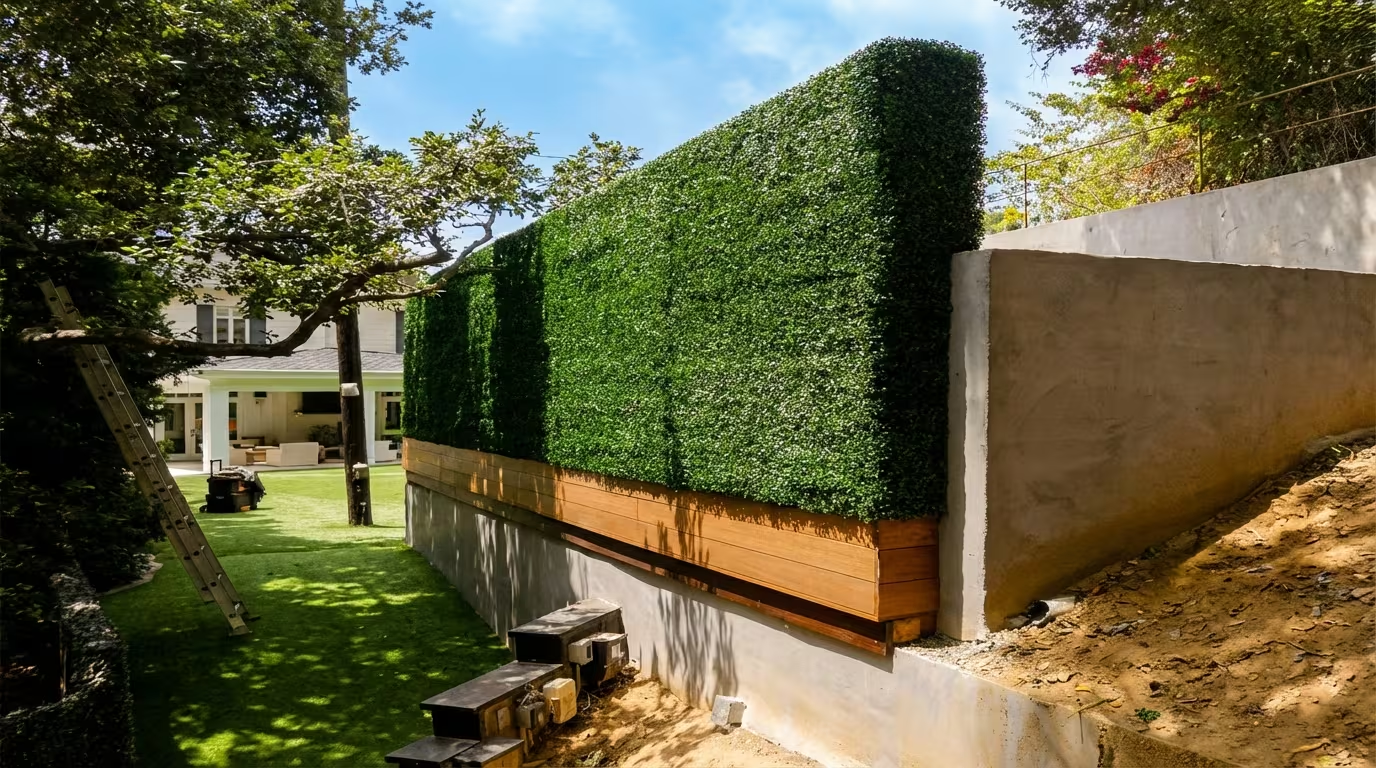
A California planning guide for privacy, screening, and long-term ownership.
A California planning guide for architects, designers, builders, and owners.
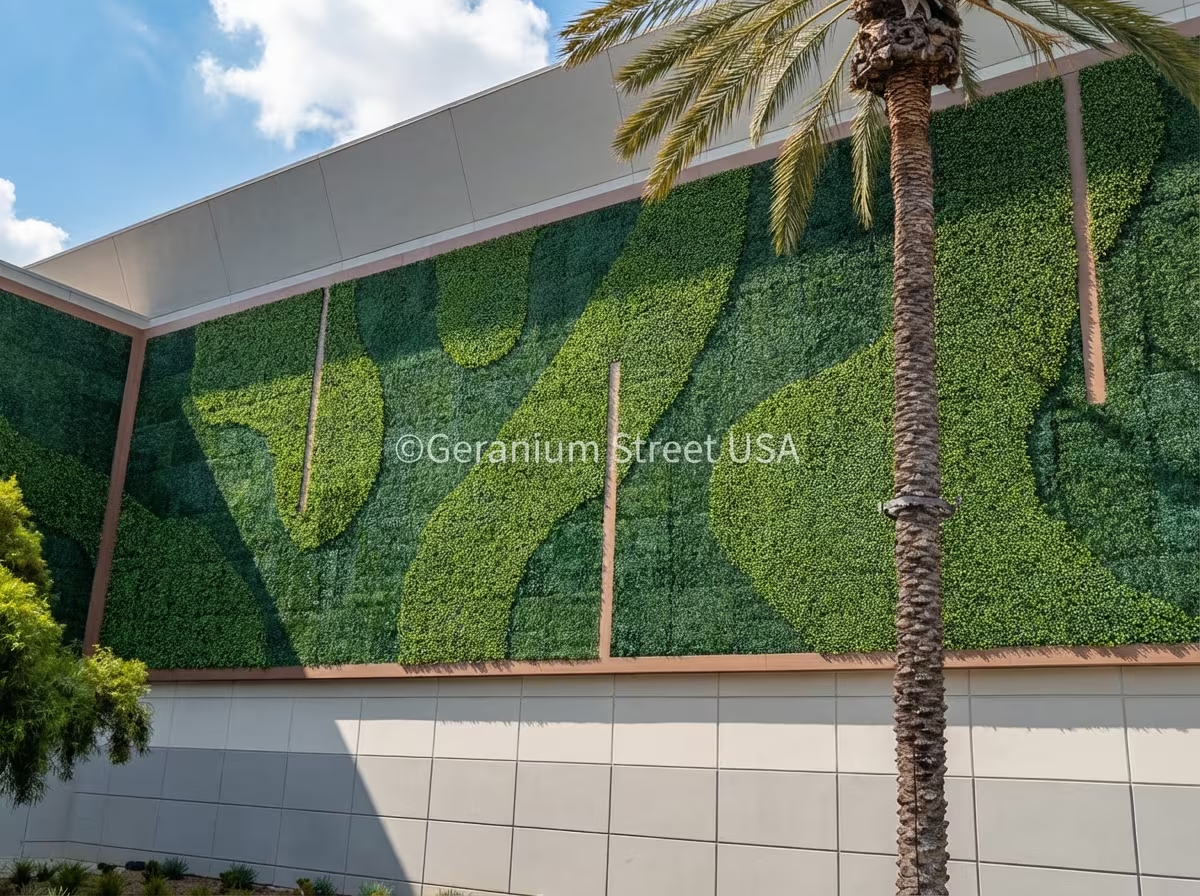
How to budget with real site variables instead of generic square-foot promises.
What realistic upkeep looks like when the finish quality still matters.