Skip to content
Back to Guides
Maintenance

Artificial Landscape Maintenance & Care Guide

What realistic upkeep looks like when the finish quality still matters.

Updated February 14, 20268 min read
Artificial Landscape Maintenance & Care Guide

At a glance

This guide sets realistic expectations for maintaining artificial living walls, privacy hedges, and privacy walls after installation. It focuses on how cleaning cadence, inspections, and service planning should change based on exposure, visibility, and the standard the property wants to maintain.

Planning note: any timelines, cost examples, or ownership comparisons in this guide are for early specification and budgeting conversations only. Final scope depends on existing conditions, attachment strategy, access, and field verification.

Table of contents

Artificial landscaping is often selected to reduce irrigation and horticulture work, not to eliminate upkeep altogether. Exterior surfaces still collect dust. High-traffic zones still show wear faster than sheltered areas. A privacy edge facing a road will not age the same way as a courtyard wall inside a protected residential property. That is why maintenance should be part of the specification discussion. This guide outlines a realistic care framework so owners, operators, and design teams can align expectations around finish quality after the install is complete.

Cleaning cadence should match exposure, not assumptions

Most projects benefit from periodic rinsing or light cleaning, but the right cadence depends on where the system is located. Roadside edges, commercial entries, pool zones, and areas near irrigation overspray will usually need attention more often than sheltered residential walls. The standard should be set by visibility and exposure, not by a generic maintenance promise. This is one of the reasons artificial systems work best when the project team is honest about the operating environment. Lower maintenance is real. Zero maintenance is not.

Every 2-3 mo

Light rinse

A practical baseline for many sheltered residential installs

Semi-annual

Deep cleaning

Useful for preserving finish quality in many standard applications

Monthly

High-exposure zones

Often appropriate for roadside or high-traffic commercial conditions

By exposure

Best rule

Set cadence by dust, traffic, and overspray, not by guesswork

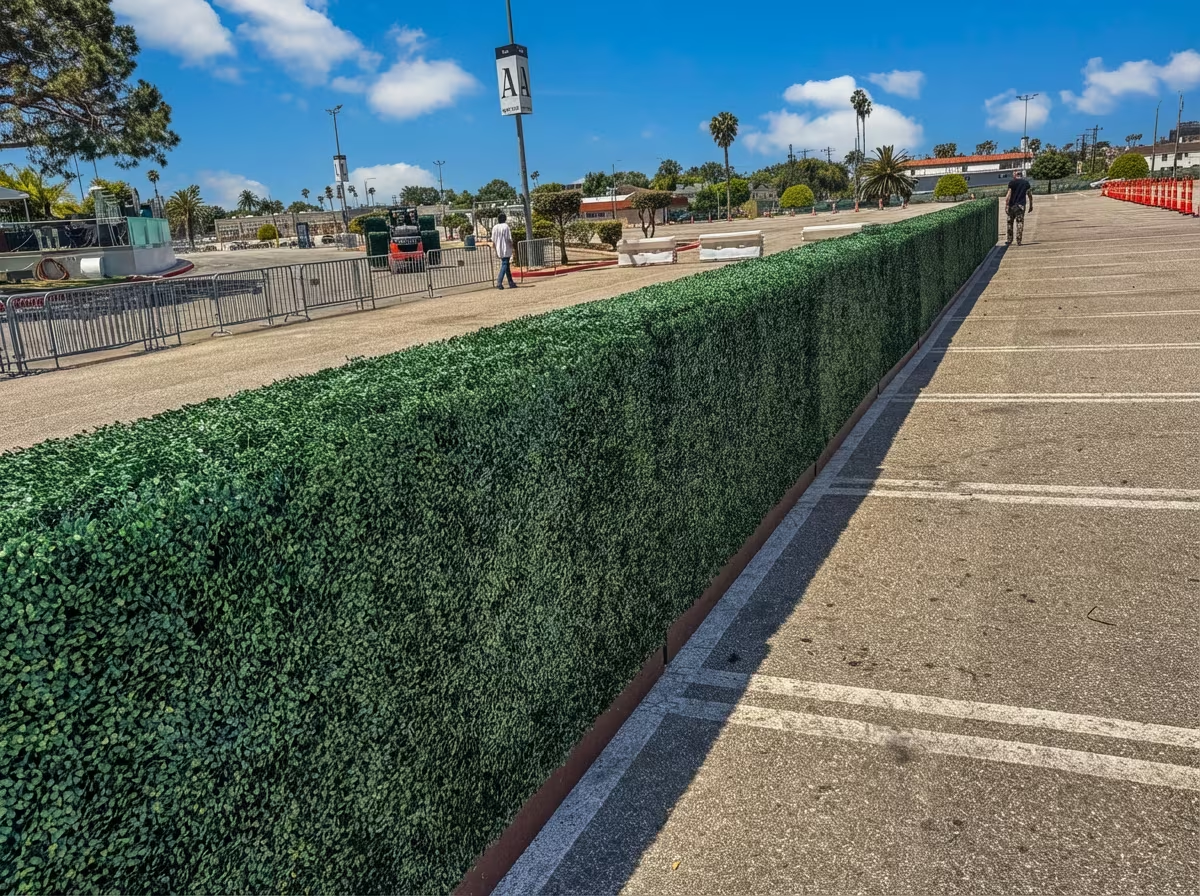
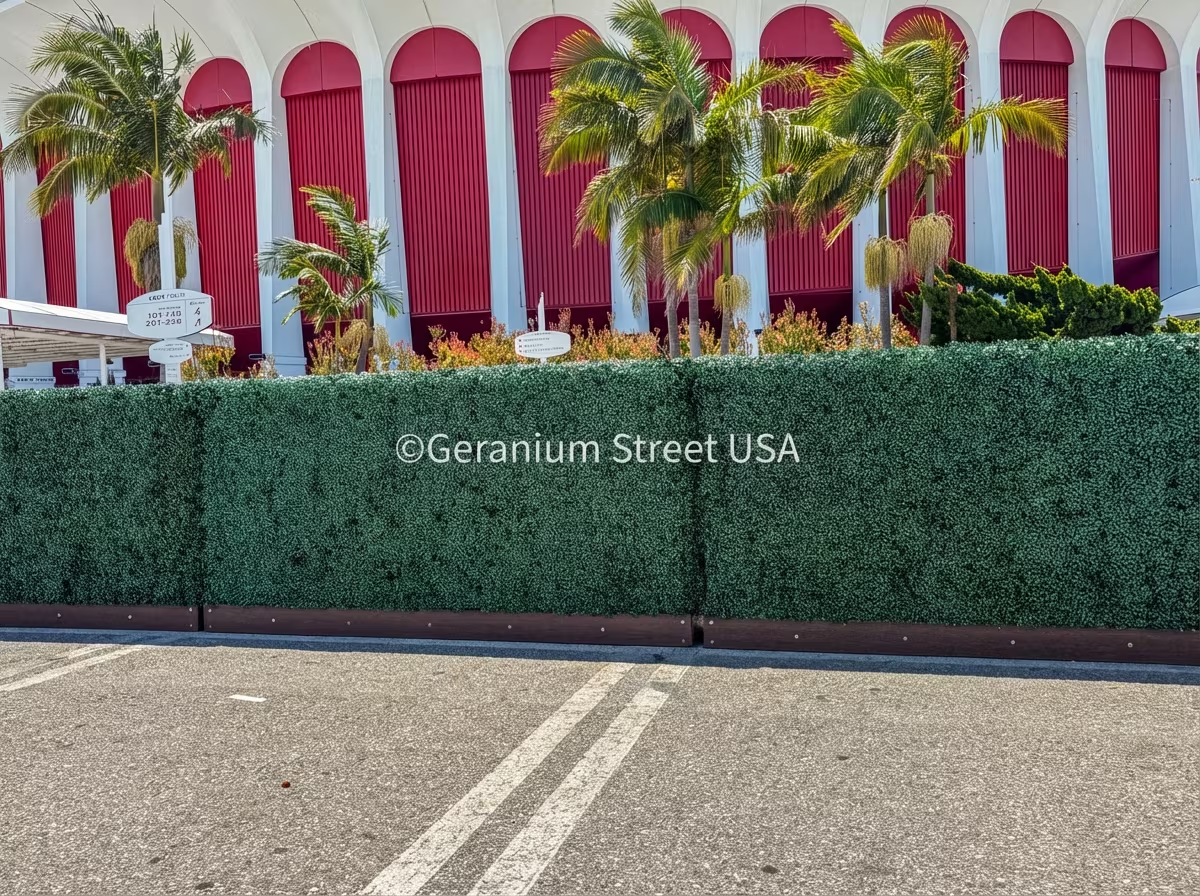
Artificial hedge screening installed at the Kia Forum, illustrating a high-traffic venue condition where maintenance standards matter for long-term appearance

Inspection should focus on attachment, edges, and localized wear

Inspection routines should usually include panel stability, fastener condition, edge transitions, seam behavior, and localized wear points. The goal is to catch small changes before they become visible failures. A slight shift at a corner return or a loose fastener at an edge is easier to address early than after the issue spreads across a larger area.

Panel stability

Check whether the surface is holding its intended plane and alignment.

Fasteners and attachment

Attachment points should remain secure and visually discreet.

Edges and returns

Corners, end conditions, and transitions are the first places buyers notice issues.

Localized wear

High-touch or high-exposure areas may need targeted service sooner than the rest of the install.

Example recurring maintenance cadence

Reference: maintenance-cadence

1
Discovery

Assess goals, constraints, and site context

2
Design direction

Develop material, density, and layout strategy

3
Installation

Coordinate phased execution for minimal disruption

4
Care planning

Define inspection and cleaning cadence by zone

Professional service makes the most sense when the visual standard is high

Professional service is often the right move after heavy weather events, in high-touch commercial environments, or anywhere the visual standard is strict enough that in-house maintenance may not be enough. Hospitality, luxury residential, and public-facing commercial properties usually benefit from a clearer service protocol because the installation is part of the brand presentation of the site. The best time to define that protocol is before handoff. That way the owner knows what routine care can be handled internally and when it makes sense to bring in outside support.
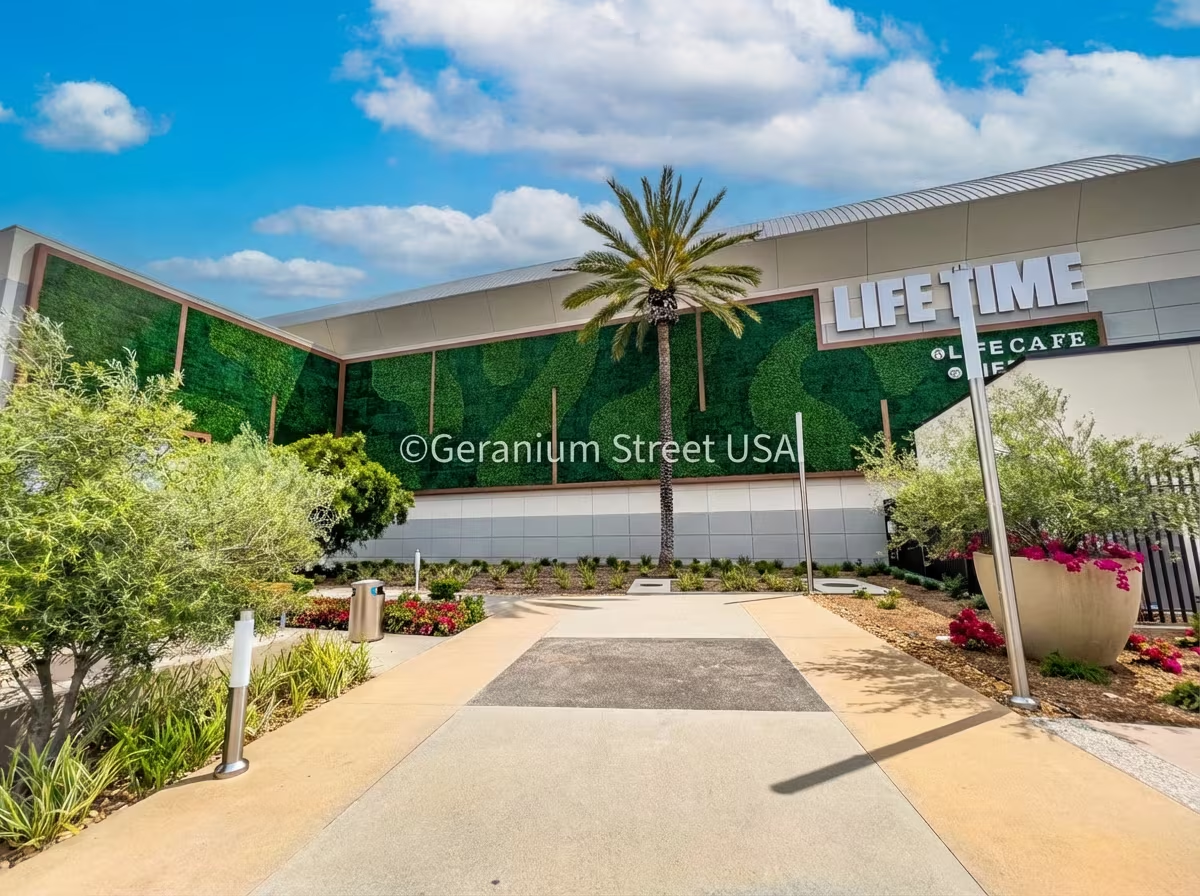
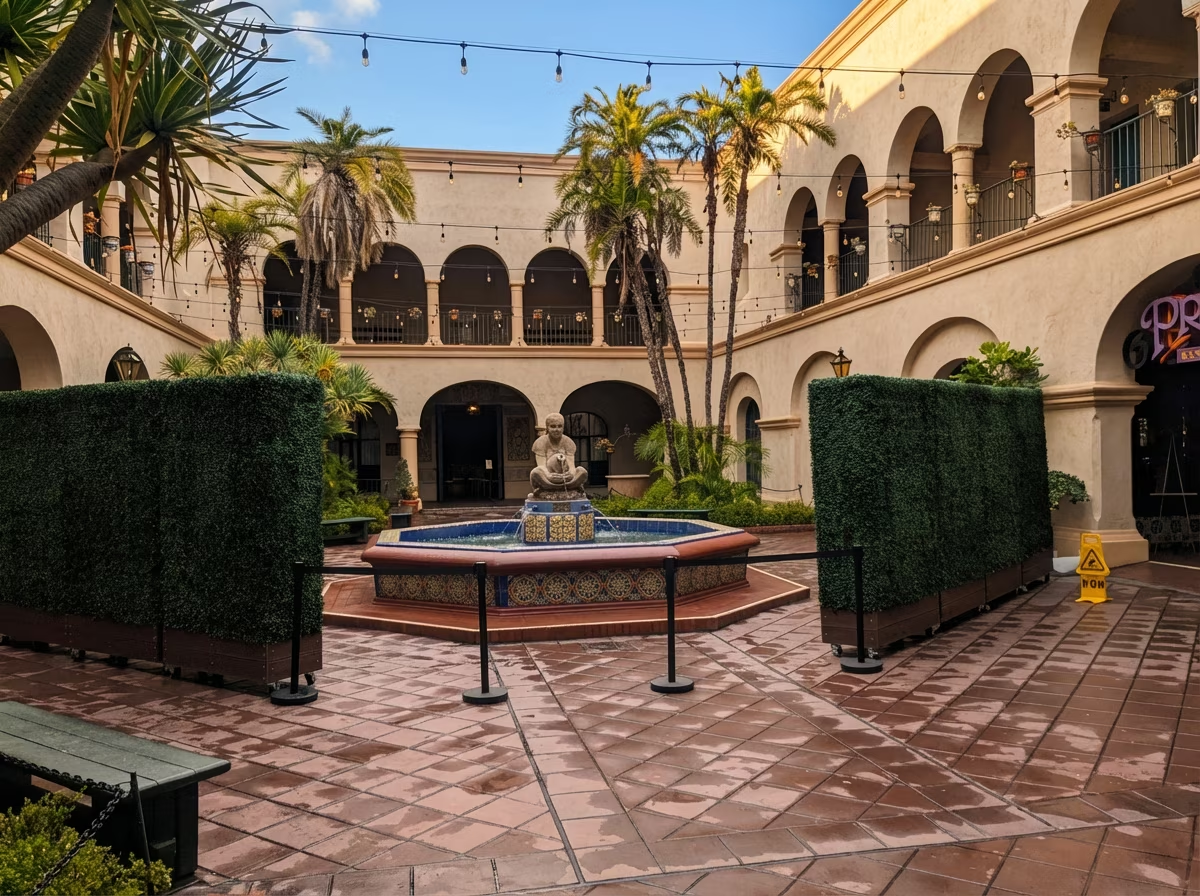
Finished artificial hedge installation at a major commercial venue, showing the type of high-visibility environment where professional maintenance standards are often appropriate

Last reviewed February 2026 · Content is reviewed periodically and updated when new information is available.

FAQ

How often should artificial hedges be cleaned?

Frequency depends on exposure, traffic, and dust conditions. Most residential installations benefit from a light rinse every 2-3 months and a more thorough cleaning semi-annually. High-traffic commercial zones or roadside installations may require monthly attention. This is significantly less labor than natural hedges, which typically need trimming 2-3 times per year at $40-$100 per hour for professional service (HomeGuide, 2025).
Do all projects need professional maintenance?

Not always. Some owners handle routine care in-house and use professionals for periodic deep service.

Can maintenance requirements change over time?

Yes. Site use, weather exposure, and environmental conditions can change service needs.

Need project-specific guidance before design or procurement moves forward?

Share the site conditions, privacy goals, or wall type you are evaluating and we can help you narrow the right system for the project.

Request project review

Products mentioned

Related projects

More guides