Do living walls work in both indoor and outdoor locations?
They can, with material selection and detailing adjusted for exposure and maintenance access.
A California planning guide for architects, designers, builders, and owners.
Reference: living-wall-lifecycle
Assess goals, constraints, and site context
Develop material, density, and layout strategy
Coordinate phased execution for minimal disruption
Define inspection and cleaning cadence by zone
At a glance
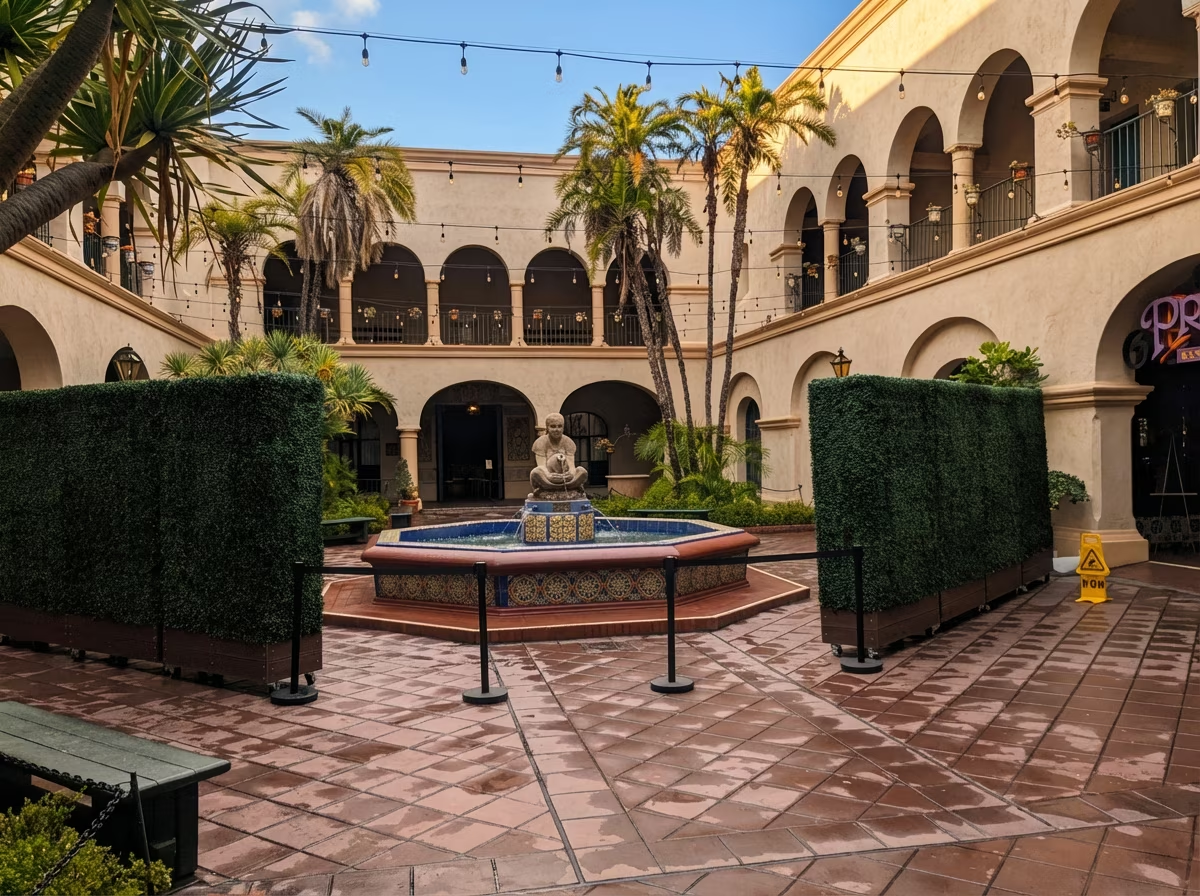
This guide is built for project teams evaluating artificial living walls as a real specification, not just a decorative upgrade. It covers where these walls tend to perform best, what drives the finished quality, how substrate and access affect scope, and what ownership should expect after installation.
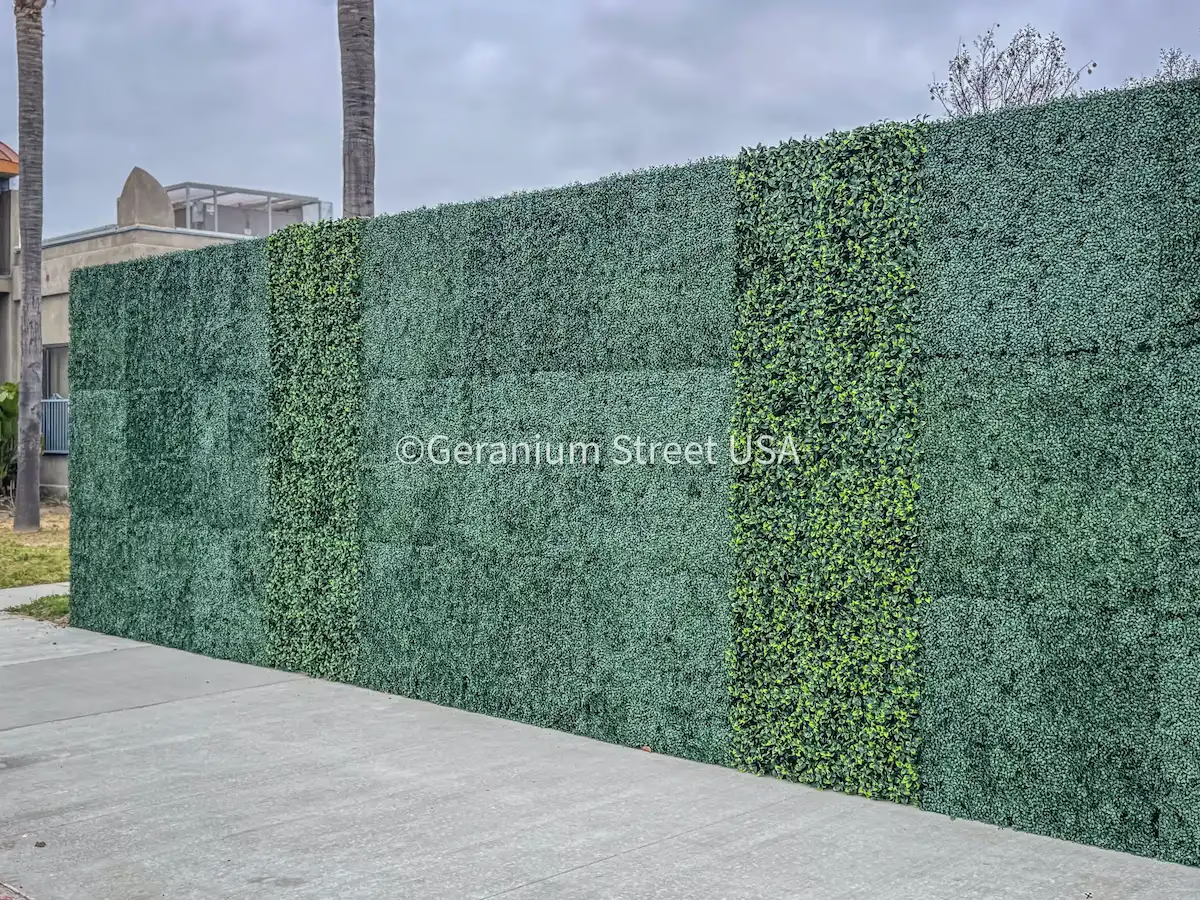
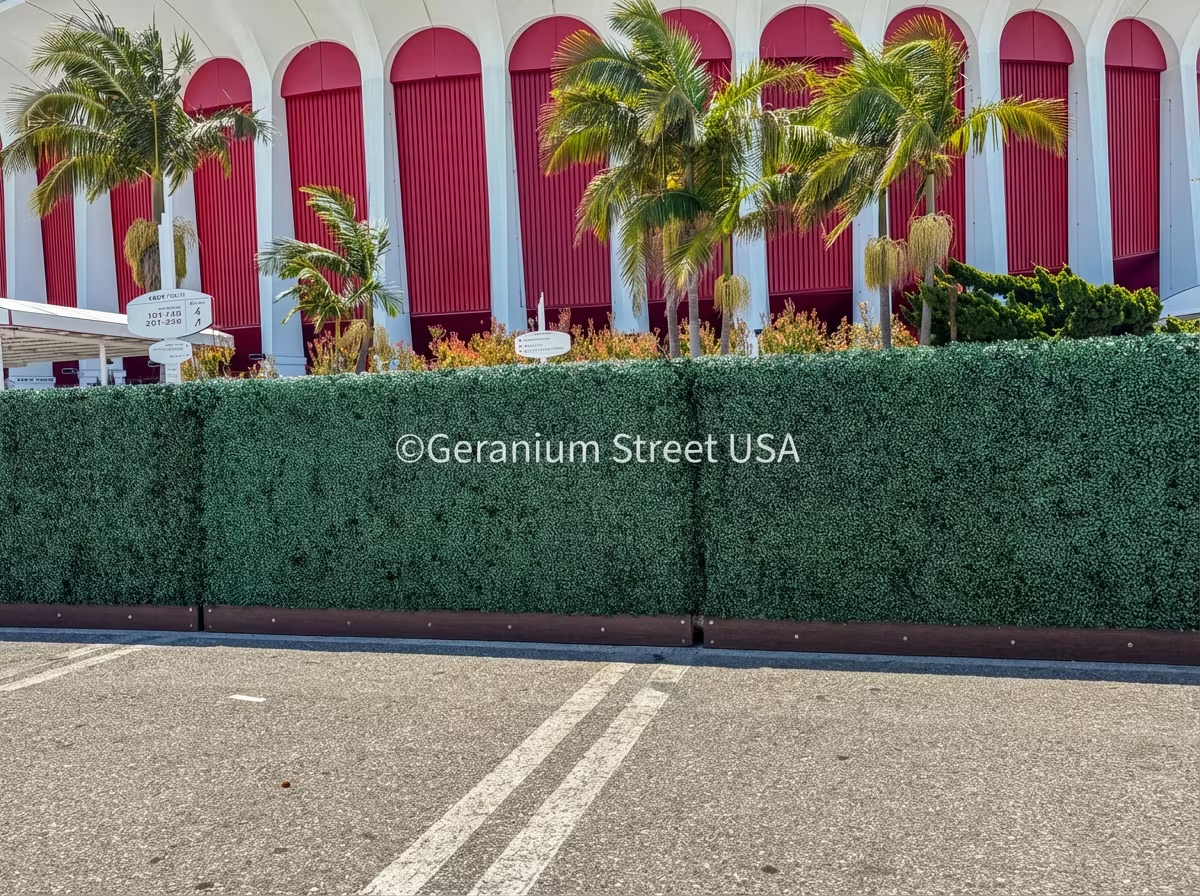
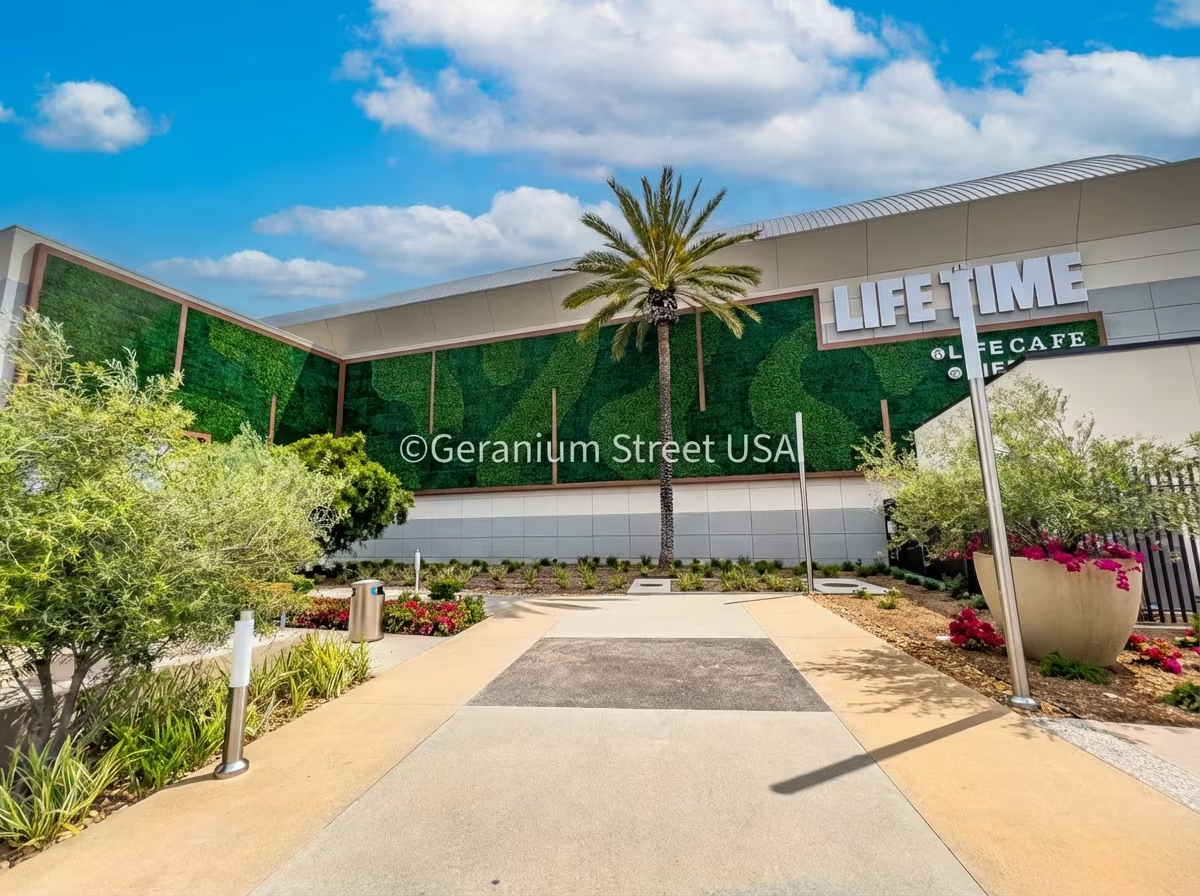
Artificial living walls are usually specified when a project needs more than greenery. They are being used to change how a wall reads on arrival, to create privacy without adding visual heaviness, to elevate an amenity zone, or to turn a blank surface into an intentional design feature. The difference between an average installation and a premium one is almost never the category alone. It is planning depth: substrate review, edge detailing, botanical composition, transitions, access, and how the wall is expected to perform once the space is active. This guide focuses on those decisions so the system can be evaluated as part of a real project scope, not as a decorative afterthought.
15%
Productivity lift
Enriched workspaces with plants (University of Exeter, 2014)
4 zones
Most common applications
Arrival, amenity, patio, and feature walls
0 irrigation
Artificial wall zone
No irrigation infrastructure required in the treated area
Year-round
Visual consistency
No grow-in period or seasonal density change
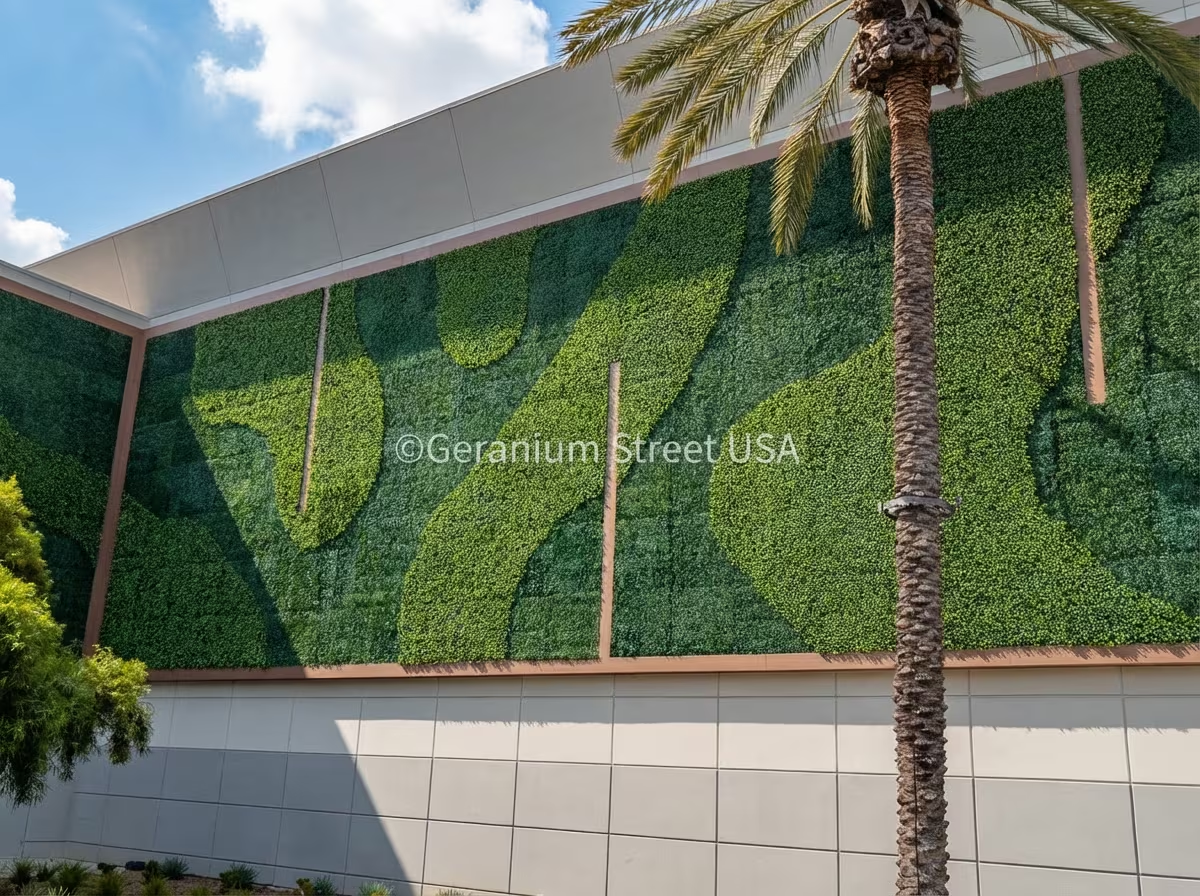
Depth layering
Variation in relief keeps the wall from reading flat at a distance.
Edge discipline
Corners, returns, reveals, and terminations are where premium installations separate themselves.
Color balance
The mix needs to hold in the project lighting, not just in product photography.
Scale control
Large walls usually need internal rhythm so the surface does not become visually monotonous.
Reference: living-wall-composition
Dimensions, substrate, and access validation
Match product behavior to project goals
Stage delivery and document care expectations
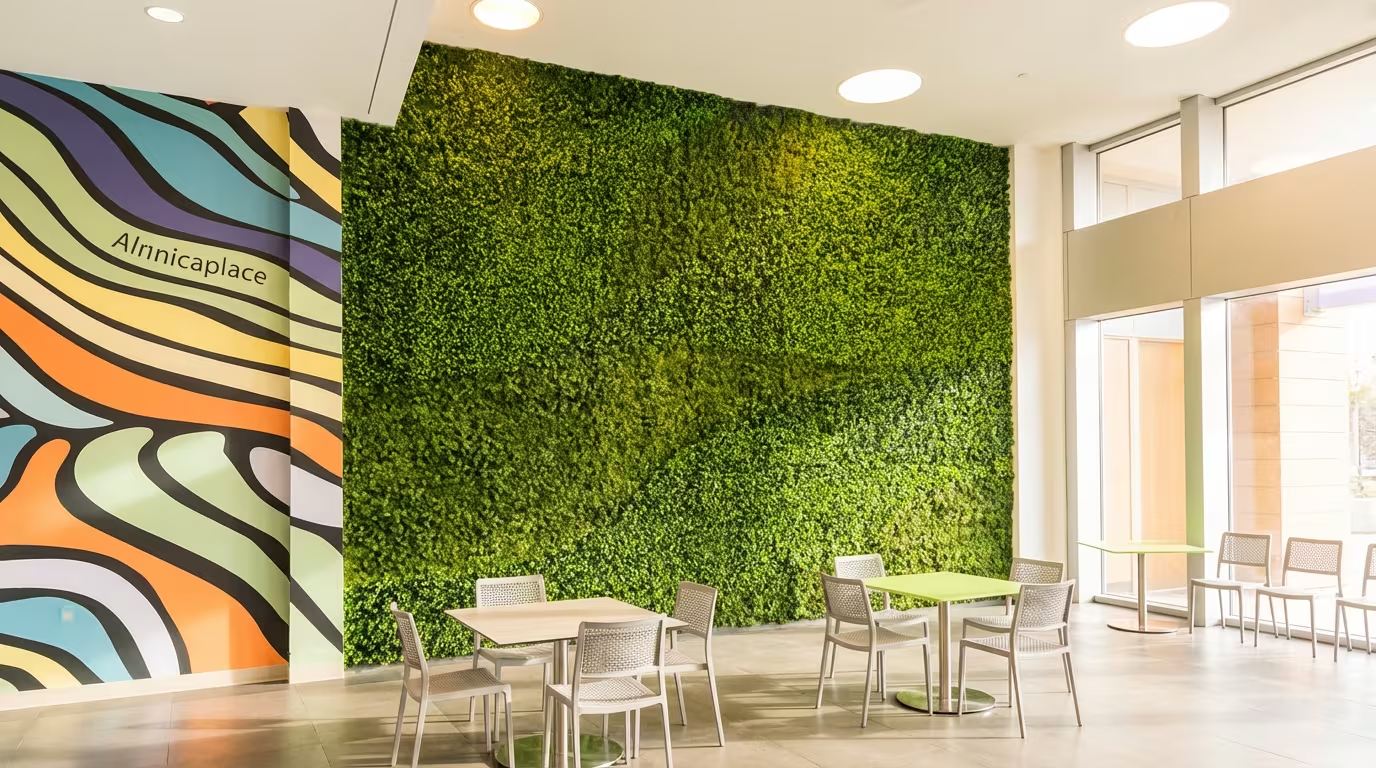
200+
Projects completed
Artificial living wall and hedge installations since 2017 across California
$0
Irrigation cost
No water infrastructure required for artificial living wall systems
5 yr
UV warranty
Limited UV material warranty on qualifying products
1 yr
Workmanship warranty
Installation workmanship warranty
Last reviewed February 2026 · Content is reviewed periodically and updated when new information is available.
They can, with material selection and detailing adjusted for exposure and maintenance access.
Not always, but substrate condition and attachment approach should be reviewed before final scope.
Yes. Many projects sequence high-priority zones first and expand in later phases.
Share the site conditions, privacy goals, or wall type you are evaluating and we can help you narrow the right system for the project.
Request project review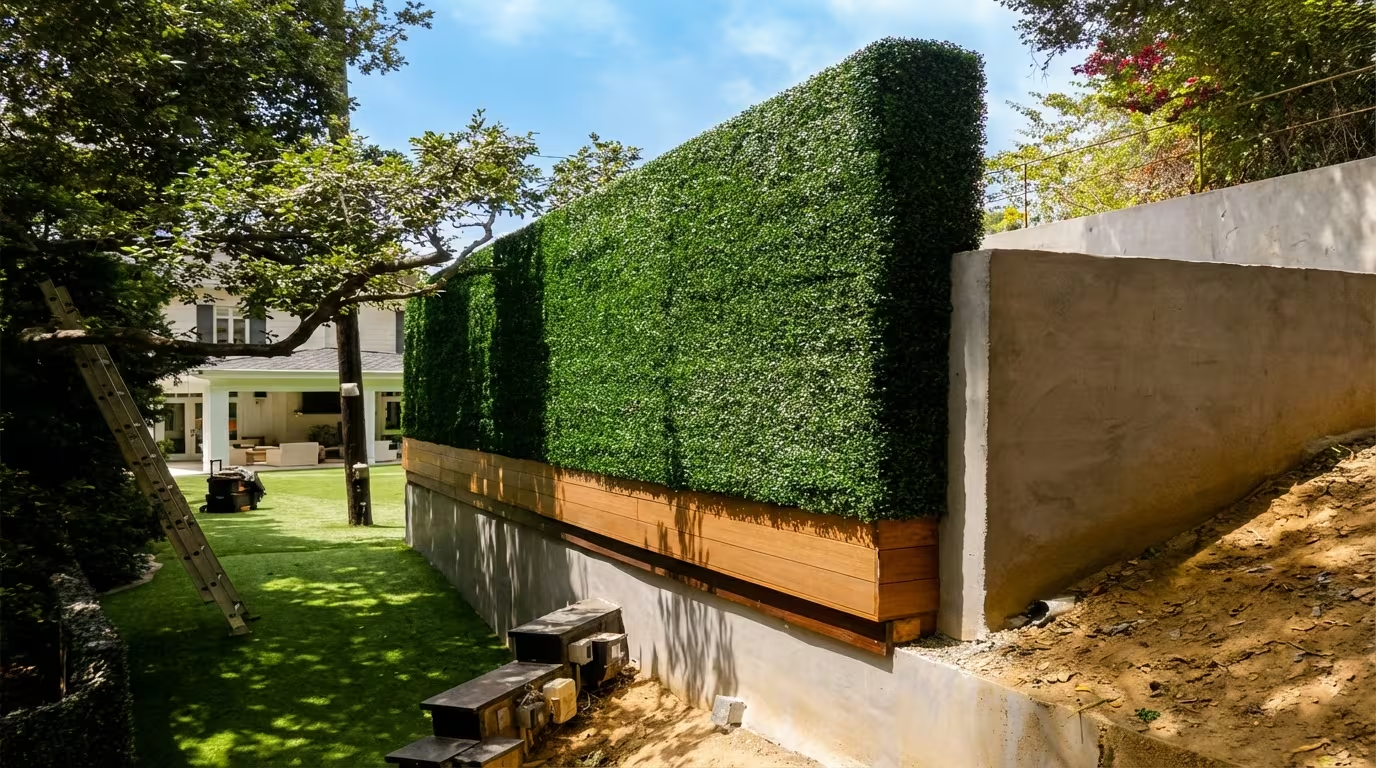
A California planning guide for privacy, screening, and long-term ownership.

How commercial teams scope visible landscape upgrades without creating operational drag.
How to budget with real site variables instead of generic square-foot promises.
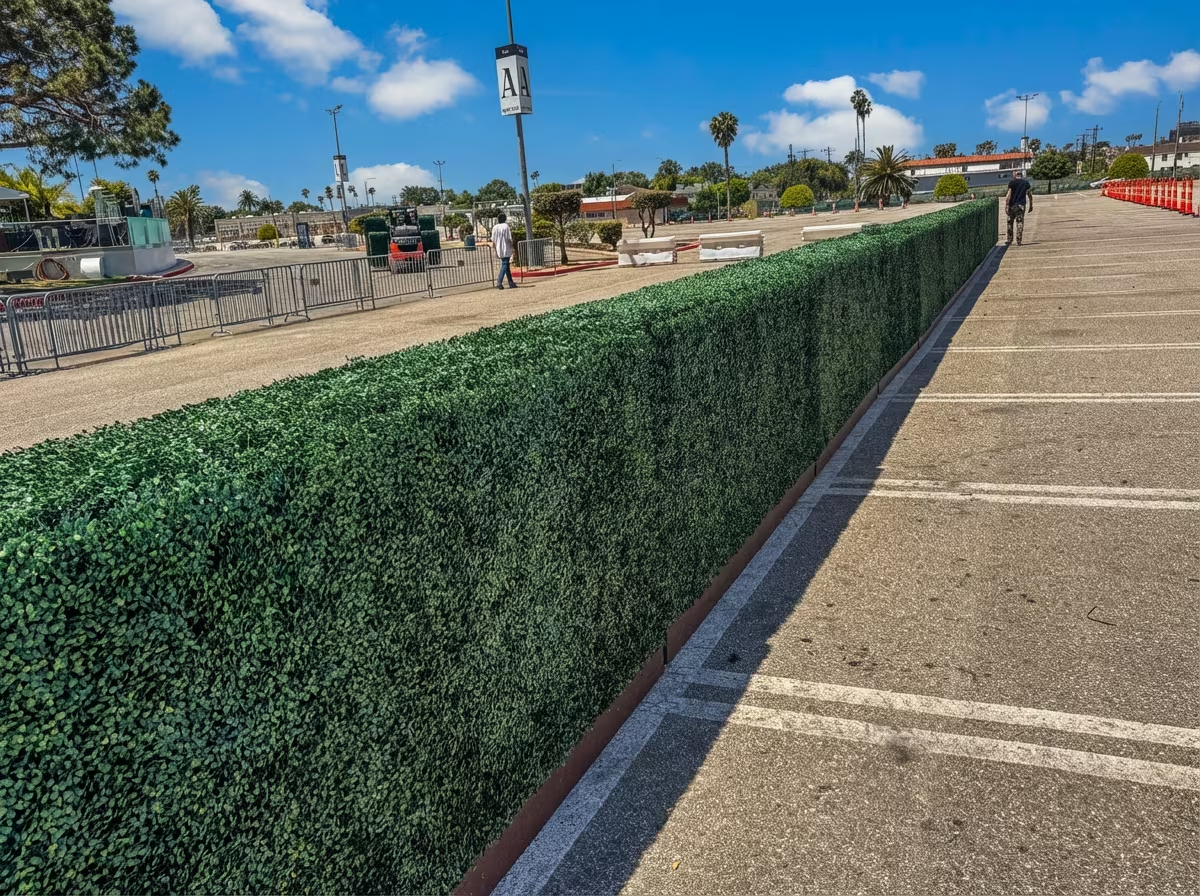
What realistic upkeep looks like when the finish quality still matters.