What the real tradeoff looks like
Artificial hedges and natural hedges can solve the same privacy problem, but they ask the site for different things. In California, the comparison usually comes down to water, trimming, replacement cycles, and whether the hedge needs to work on day one.
Where natural hedges still make sense
Live hedges still make sense when the property already supports them well. That usually means usable soil volume, reliable irrigation, enough light, and a maintenance team that can keep up with trimming and replacement. If those conditions are in place, a planted hedge can be the right answer.
When artificial hedges are the cleaner fit
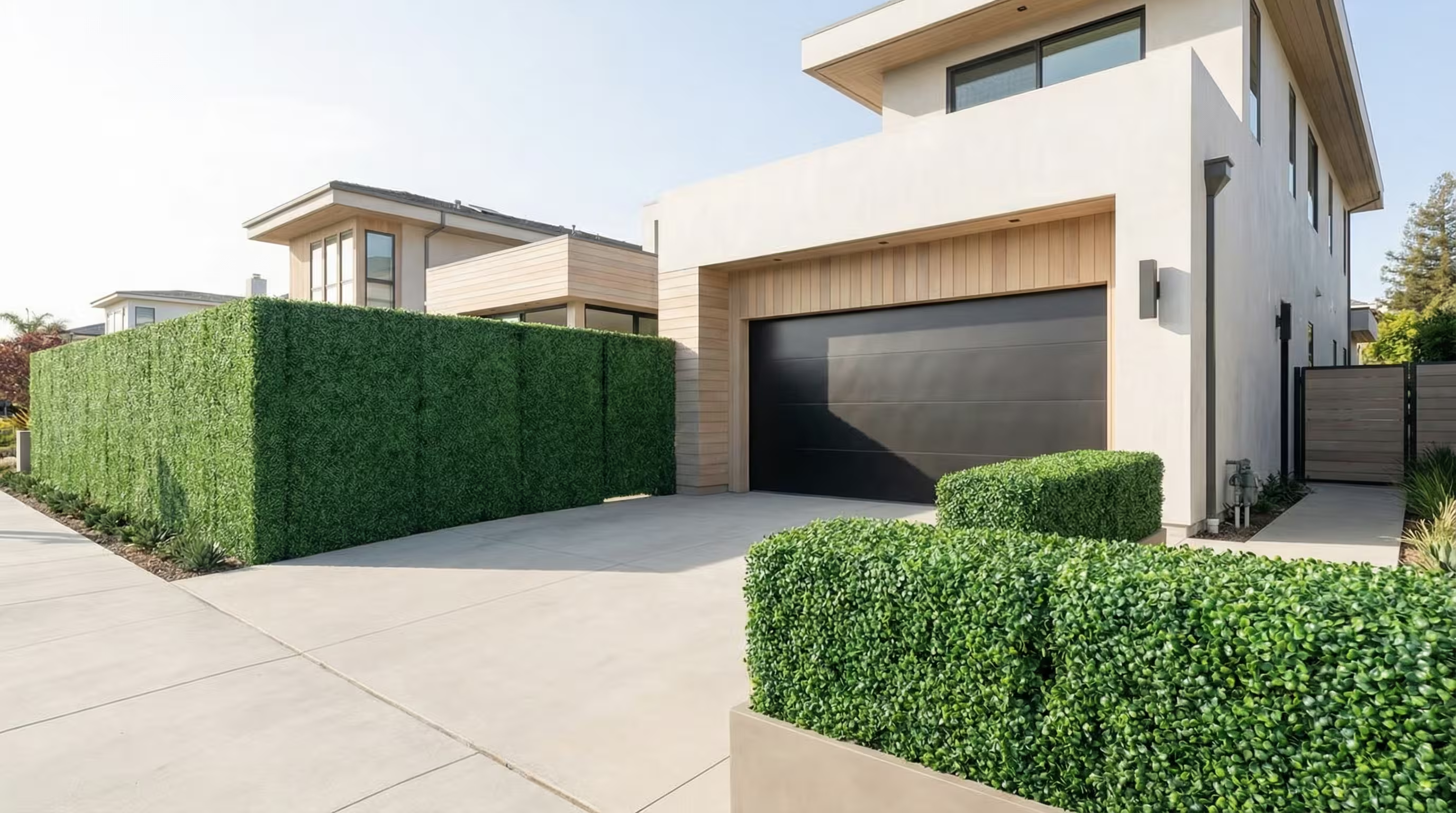
Artificial hedges are often the better choice when the project needs immediate screening, a tighter upkeep budget, or a finished edge in a place where live growth would be hard to keep consistent. That shows up on patios, roof decks, side-yard fence lines, and retrofit privacy upgrades.
What to compare before deciding
- Water use over time
- Access for trimming and cleanup
- Wind and sun exposure
- The height the project actually needs
- Whether the hedge has to match a wall, fence, or courtyard finish
If the decision is still split, start with the surface that needs the most reliable result and work backward from there.
What lowers the footprint in practice
The environmental argument gets clearer when you focus on recurring inputs instead of just the first install. A hedge that needs regular watering, trimming, pest control, and replacement can create more ongoing resource demand than a well-specified artificial system on a difficult site.
- Fewer irrigation runs where water is not actually supporting a planted root system
- Less replacement waste when the hedge has to hold its shape for years, not months
- More predictable upkeep on fence lines, rooftops, and other hard-to-service edges
That does not make artificial the right answer everywhere. It just means the tradeoff is usually about ongoing resource use, not style.
When a hybrid approach makes sense
Some properties do best with a mix: live planting where it thrives, artificial screening where the conditions are too tight or the upkeep burden is too high. That keeps the project honest about what each zone needs.
If the privacy edge is the problem and the rest of the landscape is already working, start there. The best result is usually the one that solves the constraint without forcing the whole site into one solution.
A practical California reference
The Brentwood privacy hedge installation is a good example of where the resource tradeoff becomes practical instead of theoretical. The project needed immediate screening on a finished residential property, which is exactly the kind of site where long grow-in cycles and recurring hedge upkeep can become the wrong fit. For the policy side of the conversation, the California water restrictions guide helps frame why these decisions keep coming up on local projects.