Challenge profile
What this scope is usually trying to solve
Pool decks can require additional screening and visual softness without introducing high-maintenance planting in splash-prone zones.
Residential
Poolside screening and greenery accents for comfort-focused layouts.
Pool areas typically need balanced privacy, premium finish quality, and practical maintenance planning around active outdoor use.
Quick answer
This page helps evaluate pool-area artificial landscaping for privacy and visual continuity while keeping maintenance and service access practical.
Challenge profile
Pool decks can require additional screening and visual softness without introducing high-maintenance planting in splash-prone zones.
Approach
We design pool-adjacent systems around privacy lines, circulation, and exposure so the result supports both aesthetics and usability.
At a glance
This page helps evaluate pool-area artificial landscaping for privacy and visual continuity while keeping maintenance and service access practical.
Expected outcomes
Can strengthen visual enclosure around active pool zones
May reduce maintenance effort compared with live perimeter hedging
Often helps maintain a cleaner, more consistent poolside look
Scope considerations
Material choice should account for UV exposure and nearby reflective surfaces.
Panel placement must preserve access to pool equipment and service paths.
Installation method should avoid obstructing safety-critical visibility lines.
Planning detail
Pool-area design often brings together two competing priorities: the owner wants more privacy and a cleaner perimeter, but the space still has to feel open, premium, and easy to use. That is why pool-edge work usually benefits from a more targeted scope than owners expect at first. Instead of treating the whole yard evenly, the strongest plans identify the exposure points that affect comfort most such as neighboring windows, uphill views, equipment zones, and the edges visible from the main outdoor seating area.
Artificial systems make sense here when the property wants immediate privacy and a more controlled finished look without adding another maintenance-heavy planting program around water, hardscape, and lounge areas. The right choice still depends on the design intent. Some pool areas want the softness of a hedge line, while others need a tighter privacy wall or a vertical greenery moment that helps the equipment or perimeter disappear into the composition.
Planning detail
Pool zones are harder on finishes than many owners assume. Water, reflected light, heat, and frequent use all affect how the edge should be detailed. That is another reason these scopes benefit from a more disciplined planning process. The team should know where the splash exposure is, how the installation will be cleaned, what the substrate condition looks like, and whether the pool area needs a softer resort-style edge or a cleaner architectural privacy screen.
Guides and case studies help here because they move the conversation away from inspiration-only thinking. A pool project is not just choosing a good-looking panel. It is deciding how the installation will read from the water, from the lounge area, from the house, and from the neighboring property. When that is clear, the product mix becomes easier to justify and the finished result usually looks much more intentional.
Related poolside privacy reference
This case study is helpful because it shows how Califauxscapes approaches privacy and visual cleanup in outdoor living areas where the installation has to support comfort, finish quality, and year-round consistency.
CalifauxScapes installed 600 sq ft of long-lasting, UV-resistant artificial hedges for a Brentwood homeowner dealing with an ugly hillside and no deck privacy. Completed in 3 weeks.
Open case studyDecision framework
Pool-area decisions usually come down to whether the site needs softer screening, tighter privacy control, or a more visual feature element that lifts the overall outdoor environment.
Best when the goal is a softer planted effect and the pool edge wants immediate screening without a harsher wall treatment.
If the space needs more exact view control or cleaner geometry, privacy walls may fit better.
Best when the pool area needs a stronger screen or a more defined separation between zones.
If the owner wants the edge to feel more landscape-like and less architectural, hedges usually read better.
Best when the pool area also needs a feature surface or a way to soften a weak wall near the entertaining zone.
Living walls are less useful when the problem is mostly perimeter privacy rather than visual focal points.
Recommended products
Supporting projects
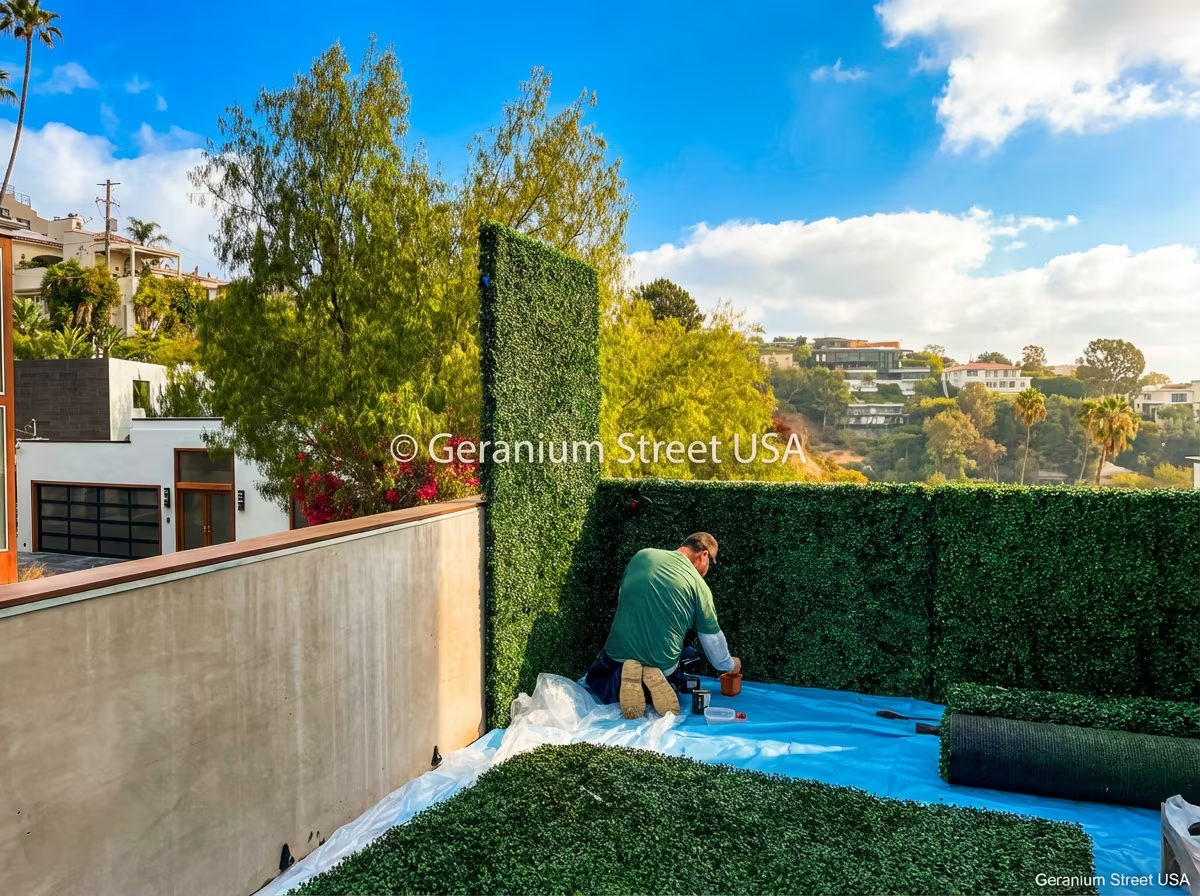
Brentwood
CalifauxScapes installed 600 sq ft of long-lasting, UV-resistant artificial hedges for a Brentwood homeowner dealing with an ugly hillside and no deck privacy. Completed in 3 weeks.
Open case study
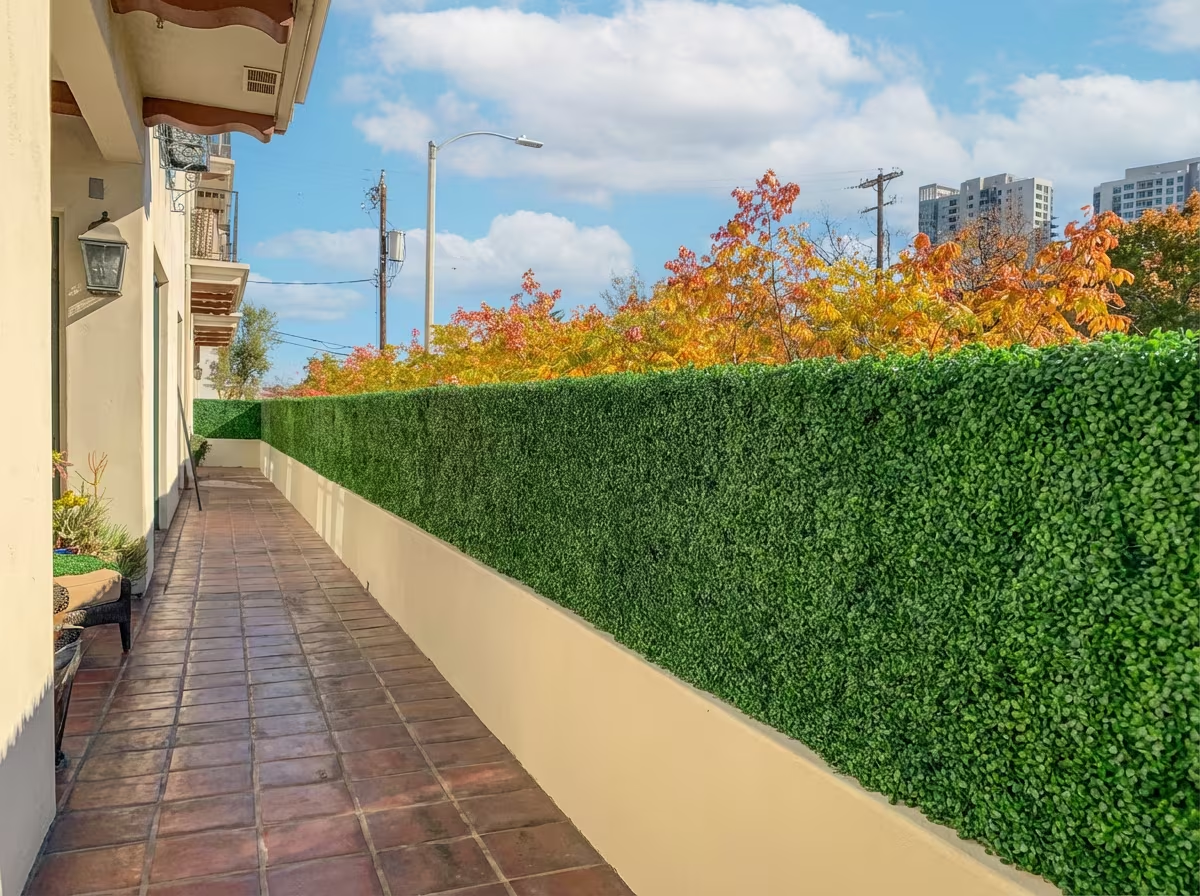
Los Angeles
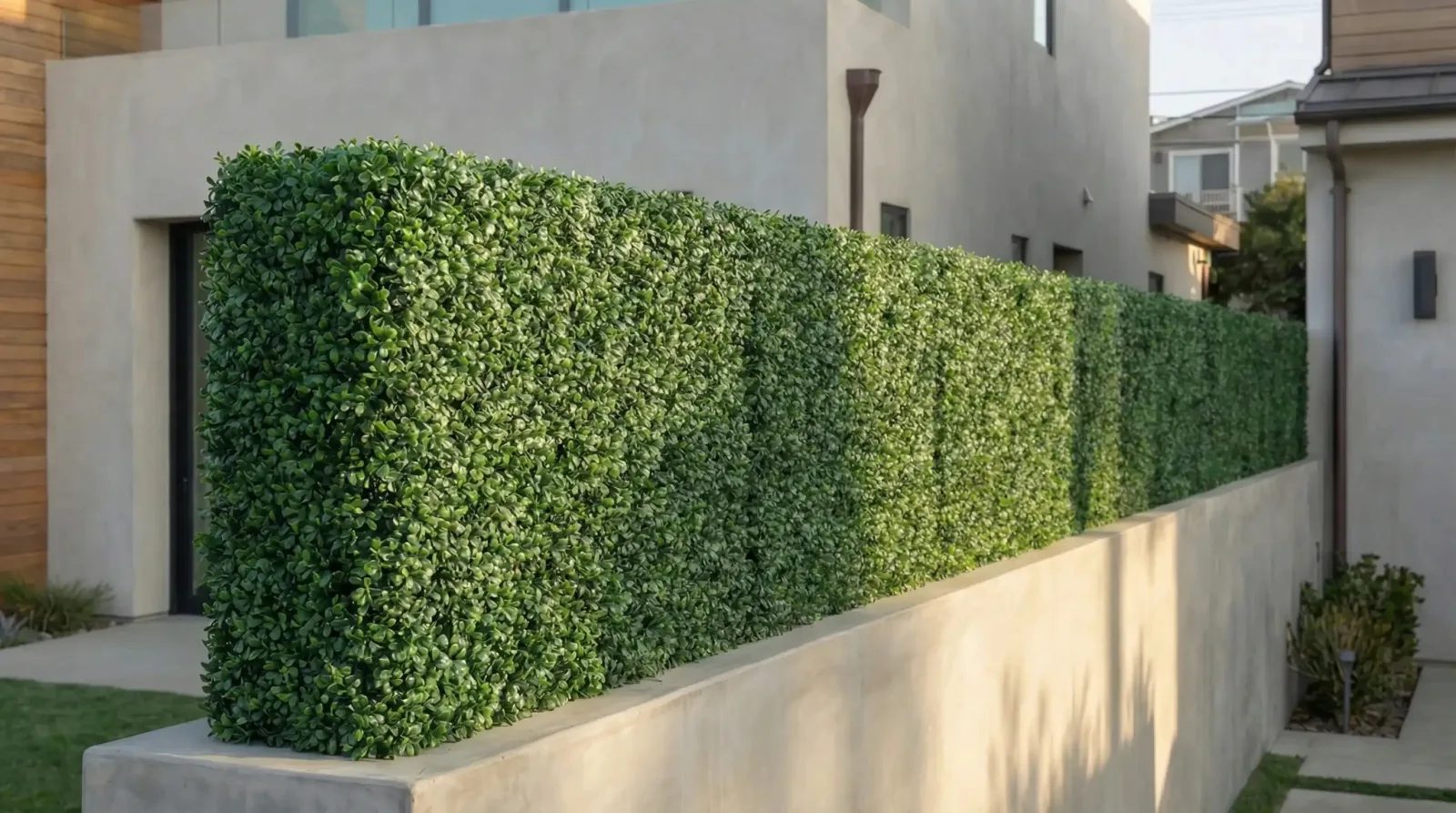
CalifauxScapes installed custom UV-resistant artificial boxwood hedges on an LA homeowner's existing block wall and metal railing, creating instant street-side privacy in 2 weeks. No structural modifications needed.
Open case study
Related resources
Often the first product considered for pool-edge privacy.
Useful when the site needs stronger visual control around the pool.
A practical comparison for owners weighing privacy timing and maintenance.
Helpful when budget and detailing questions start shaping the project.
Explore next
FAQ
High-exposure zones such as seating edges, neighboring sightlines, and equipment-adjacent boundaries are often evaluated first.
In many projects yes, though attachment strategy and clearances are confirmed during site planning.
They are usually lower-maintenance than live alternatives, but periodic cleaning and condition checks are still recommended.
Yes, many homeowners use these systems for both visual enclosure and a more cohesive poolside design.
Coverage
5-year limited UV warranty on qualifying products and 1-year installation workmanship warranty.
Coverage is limited and subject to product eligibility, installation scope, and written warranty terms.
5-year limited UV
1-year installation
Written terms apply