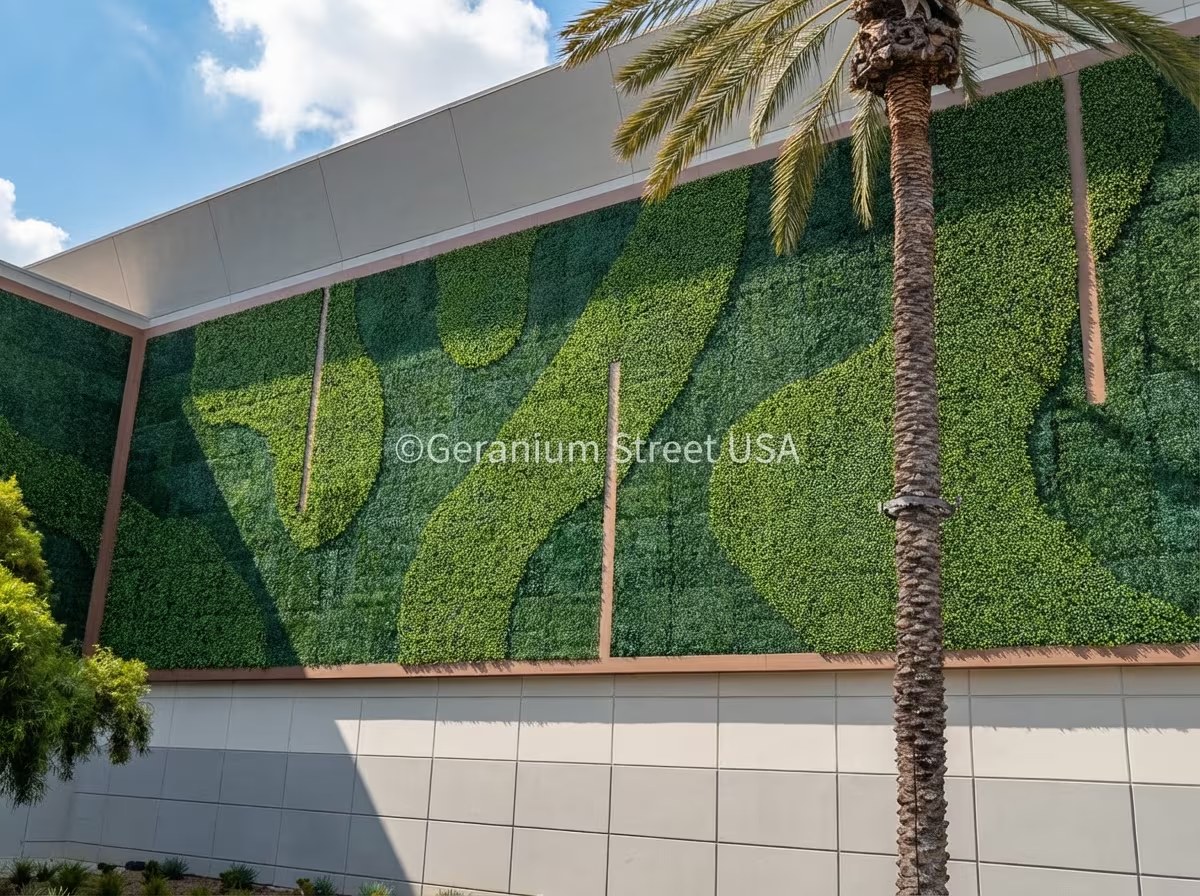
The Best Privacy Hedges for Southern California: Living and Artificial Options Compared
Ficus, podocarpus, privet, bamboo, and artificial hedge systems — what actually performs in SoCal heat, drought rules, and coastal exposure.
By Alex TarnowskiUpdated June 9, 202611 min read
At a glance
The best privacy hedge for Southern California depends on the site: ficus and privet are fast but thirsty and high-maintenance, podocarpus and Carolina cherry are cleaner but slow, bamboo fits narrow planters, and installed artificial hedge systems deliver full-density screening on installation day with zero irrigation — the strongest fit for deadlines, restricted water, rooftops, and guest-facing commercial edges.
Planning note: any timelines, cost examples, or ownership comparisons in this guide are for early specification and budgeting conversations only. Final scope depends on existing conditions, attachment strategy, access, and field verification.
Table of contents
Ask three Southern California landscapers for the best privacy hedge and you will get three different answers — usually the species they plant most. The honest answer depends on what your site can support: how much water you can commit, how long you can wait for coverage, how much height you need, and how the hedge will be used. A coastal Carlsbad side yard, an inland Riverside fence line, and a West Hollywood restaurant patio are three different problems.
This guide compares the living hedges that genuinely perform in Southern California — ficus, podocarpus, privet, Carolina cherry laurel, and clumping bamboo — alongside installed artificial hedge systems. We install the artificial kind, so you know where we sit. But living plants are the right call for plenty of projects, and we would rather you choose the option that fits your site than the one that fits our business. Both paths are laid out here with their real trade-offs.
What "best" actually means for a privacy hedge
A privacy hedge has one core job: block the sightline, all year, at the height you need. Everything else — water use, maintenance, growth time, root behavior — is the cost of getting and keeping that screen. So before comparing species, it helps to score your own site on four questions.
First, how fast do you need privacy? A new ficus row typically needs two to four growing seasons to form a solid screen, and slower species can take five or more. If the problem is a new two-story build next door, "wait three years" may not be an acceptable answer.
Second, what is your water situation? Most fast-growing hedge species earn their speed with thirst. Under normal conditions that is a bill; under drought-stage watering restrictions it can become a compliance problem, and a stressed hedge browns from the inside out.
Third, what is the exposure? Coastal salt air, reflected heat off stucco and pavement, and Santa Ana wind events all stress living hedges in different ways — and they are also why cheap artificial products fade. Whatever you choose needs to be rated for the conditions it will actually face.
Fourth, who maintains it? A privacy hedge at full height needs trimming from a ladder several times a year. Skipped maintenance shows within a season — gaps, legginess, and die-off at the base are the usual pattern.
2–5
Growing seasons to full screen
Typical range for new living hedges to reach solid 6 ft+ privacy coverage
60%
Of CA residential water goes outdoors
Landscape irrigation share of typical California home water use (EPA WaterSense)
$200–600
Typical annual live hedge trimming cost
Professional hedge maintenance per HomeGuide 2025 California data
The living hedges that actually perform in SoCal
Ficus (Ficus nitida, often sold as Indian laurel) is the fastest route to a tall living screen and the default choice for many SoCal privacy rows. It can put on two to three feet a year with regular water, takes shearing well, and forms a dense wall. The trade-offs are real: aggressive surface roots that lift hardscape and find pipes, high water demand, and vulnerability to whitefly. Many cities have stopped planting it near pavement for exactly these reasons.
Podocarpus (fern pine) is the patient choice — clean, vertical, disease-resistant, and far better behaved underground. It typically grows about a foot a year, which means a privacy screen on a five-plus year timeline unless you buy large specimens at significant cost.
Privet (Ligustrum) grows fast and shears into a formal wall, but it wants constant trimming, drops berries that stain hardscape, and its flowers bother some allergy sufferers. Carolina cherry laurel is a solid native-adjacent performer — moderate speed, glossy and dense, more drought-tolerant than ficus once established — though it can take several years to knit into a full screen.
Clumping bamboo (Bambusa species, never running types) is the specialist: very fast, very tall, and the right answer for narrow planters where nothing else fits the footprint. It is also messy, thirsty in its establishment years, and a poor choice anywhere wind funnels through.
All of these can work. All of them also share the same fine print: irrigation infrastructure, multi-year grow-in, recurring trimming, pest and disease exposure, and replacement of plants that fail along the way.
Product quality and UV rating vary widely — specification matters
Where artificial hedge systems fit
An installed artificial hedge solves a different version of the problem. The screen is at full density on installation day, holds the same appearance through summer heat and watering restrictions, and needs no irrigation lines, trimming schedule, or replanting cycle. UV-stabilized commercial-grade panels typically last 8–10 years outdoors, and qualifying products carry a 3–5 year limited UV fading warranty (varies by product line). Upkeep is an occasional rinse and inspection.
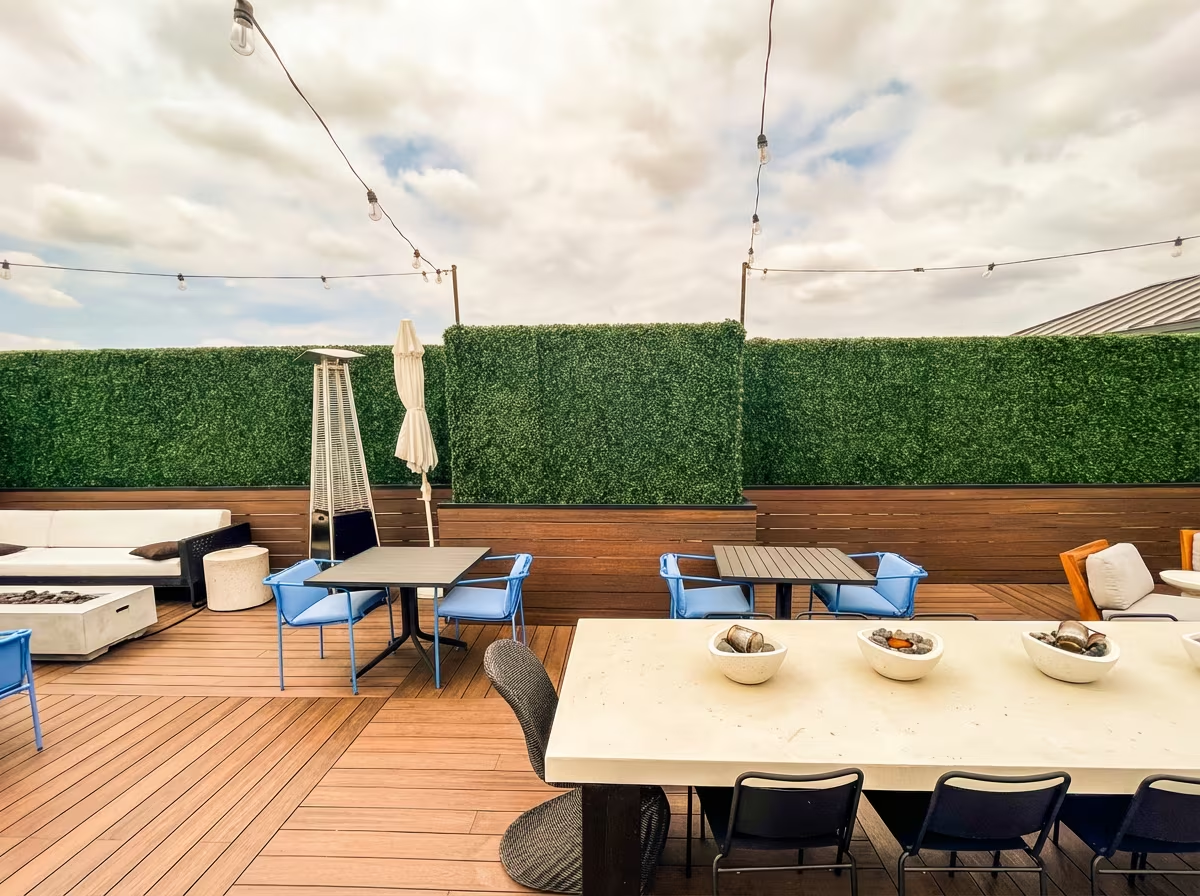
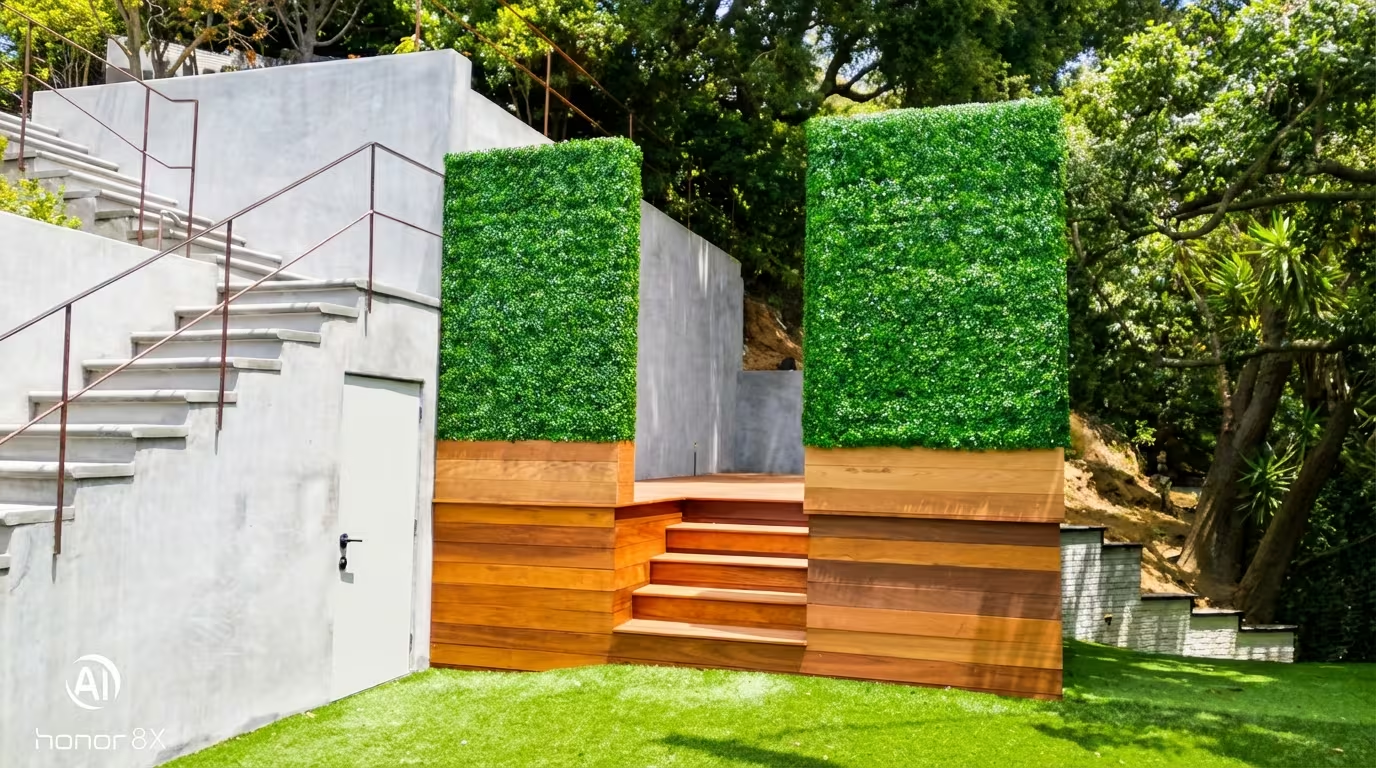
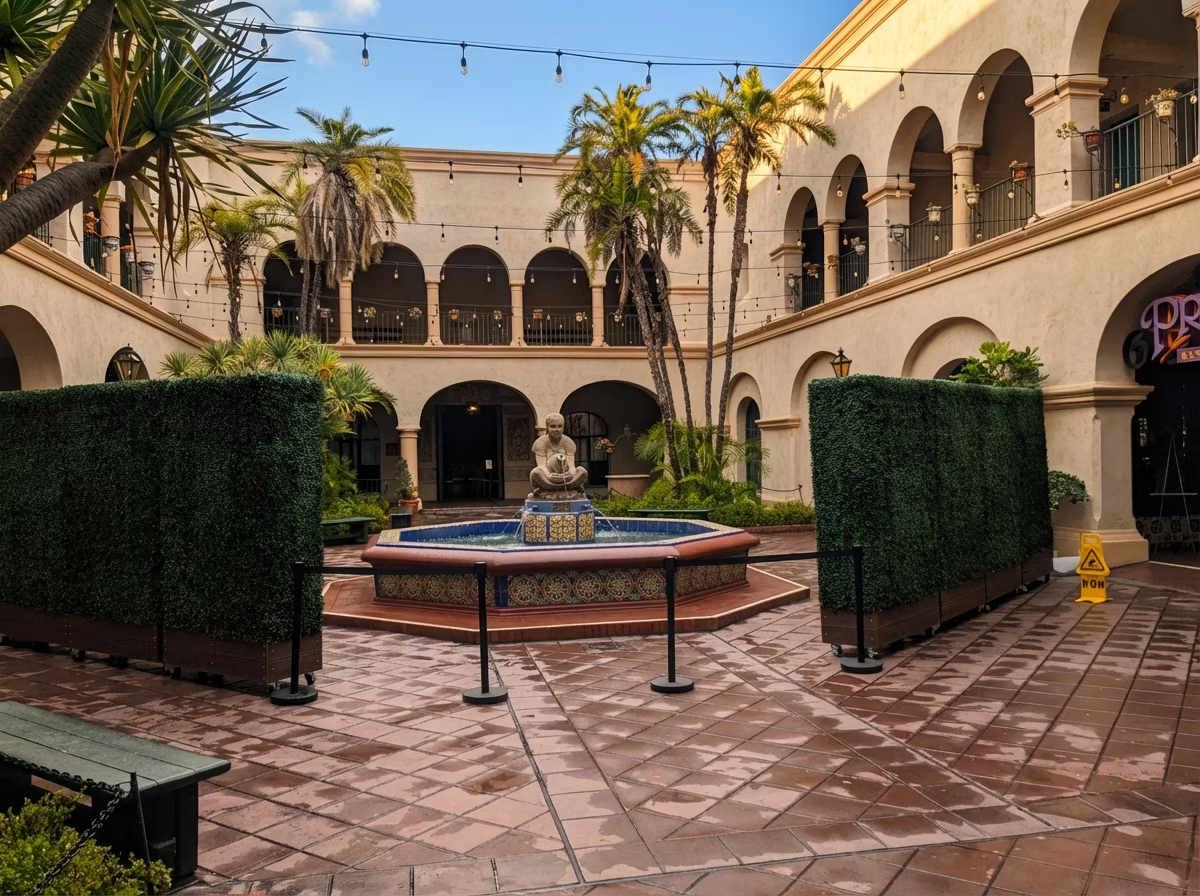
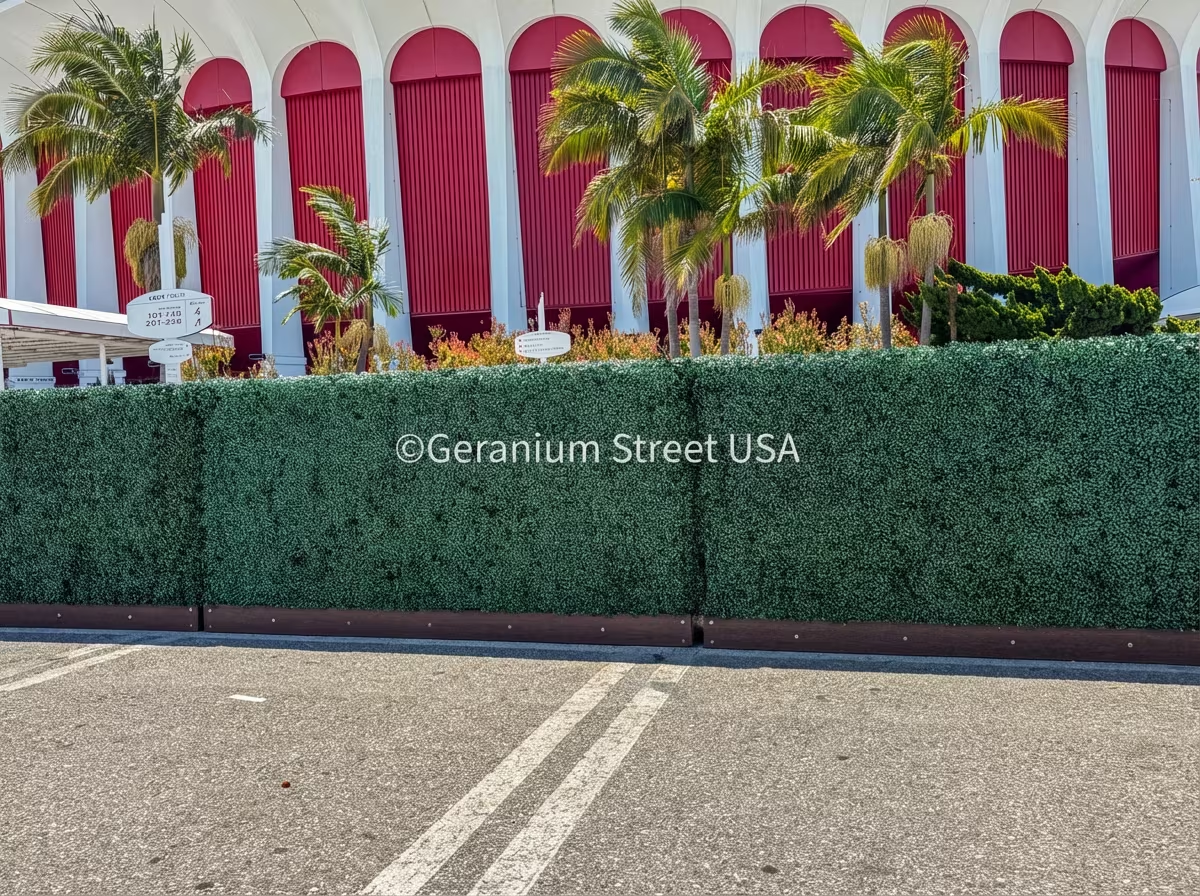
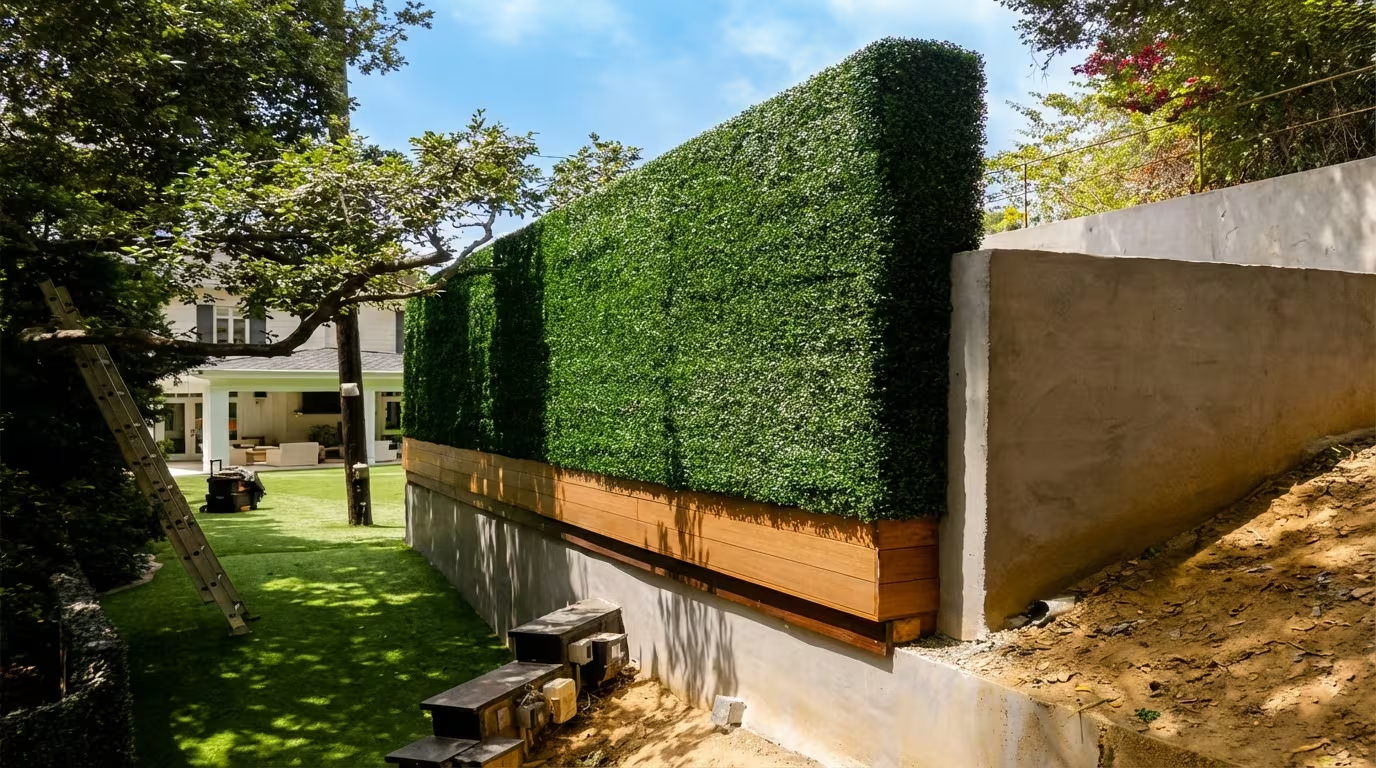
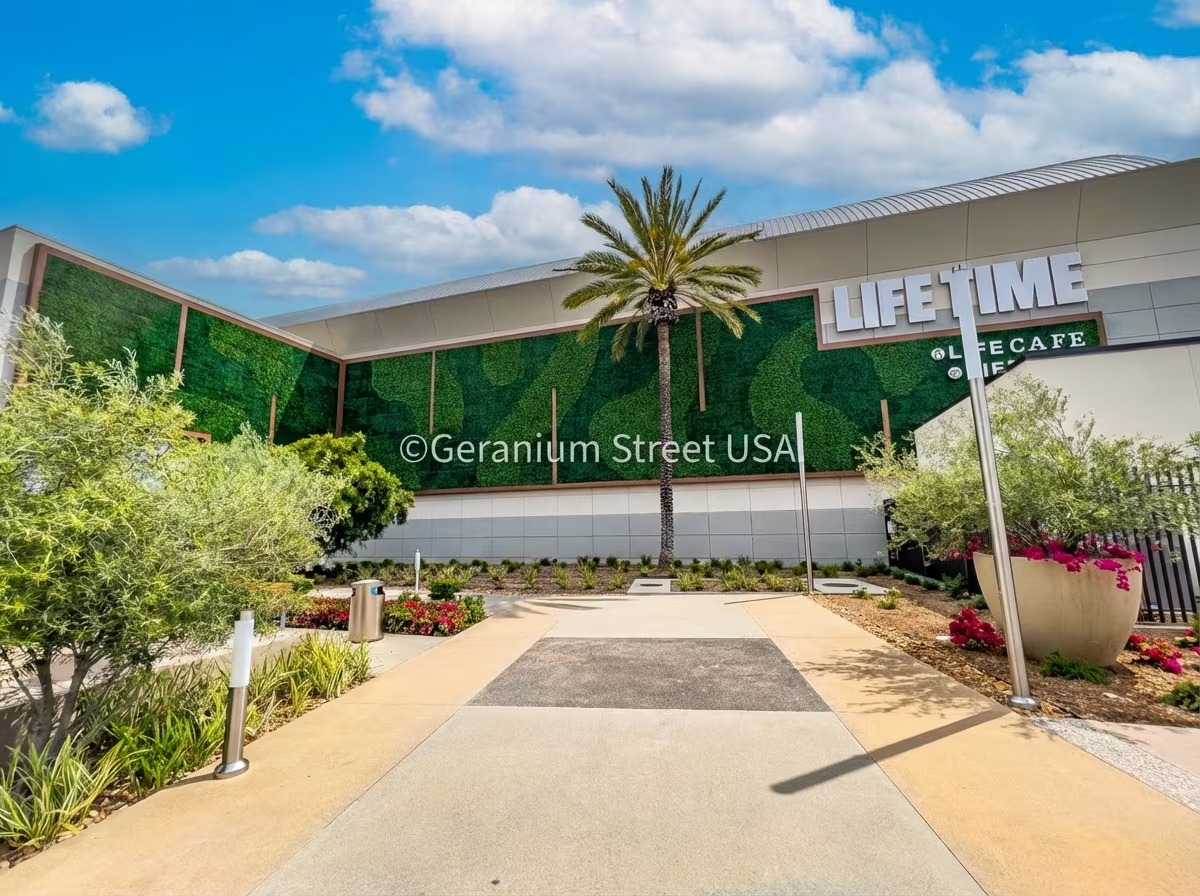
The fit is strongest in situations where living hedges struggle: instant-privacy needs along a new fence line or against a neighboring two-story build; narrow side yards and planters with no root room; rooftops, balconies, and decks with no soil at all; guest-facing commercial edges where a browning hedge is a brand problem; and fire-conscious commercial sites where fire-retardant rated product lines are available.
The honest limits: artificial hedges do not grow, so the height you install is the height you have — plan it correctly the first time. Quality varies enormously between consumer-grade tiles and commercial panel systems, and the difference shows within a year of California sun. And while a well-specified system is realistic at conversational distance, it is not a living plant and will not fool a gardener at arm’s length. We cover honest selection criteria in our artificial vs. natural hedges guide as well.
“The pattern we see on real projects: living hedges win when there is room, water, patience, and someone to maintain them. Artificial systems win when the deadline is now, the water is restricted, or the site has no soil to offer.”
— 200+ Califauxscapes installations across California since 2017
Matching the hedge to the Southern California microclimate
Coastal strip (Santa Monica, Carlsbad, Del Mar, Coronado): salt-laden air and marine moisture favor podocarpus and Carolina cherry among living options; ficus tolerates the coast but punishes nearby hardscape. For artificial systems, coastal sun plus salt means UV stabilization is non-negotiable — this is where cheap panels fail first and where marine-grade specification earns its cost.
Inland valleys (San Fernando Valley, Inland Empire, Riverside): summer temperatures regularly past 100°F push living hedge water demand to its peak exactly when watering rules tighten. Hedges here brown in late summer unless irrigation keeps pace. Artificial systems hold color through the heat but should be specified with high-temperature exposure in mind.
Fire-conscious zones (hillside and canyon edges across LA, Orange, and San Diego counties): defensible-space rules complicate dense planting near structures, and some insurers now scrutinize continuous vegetation along property lines. Fire-retardant artificial product lines tested to NFPA 701 Method 2 exist for commercial requirements — our NFPA 701 guide explains what that rating does and does not mean.
A note for Northern California readers: the same logic applies with different stressors — fog-belt sites favor cherry laurel and pittosporum over heat-lovers, and East Bay or Sacramento valley heat behaves like the SoCal inland case. We install across the Bay Area as well.
Coastal sites
Podocarpus and Carolina cherry handle marine air well among living options. For artificial, marine-grade UV specification is the difference between 3 years and 8–10.
Inland heat
Living hedge water demand peaks exactly when restrictions tighten. Late-summer browning is the most common complaint we hear on inland privacy rows.
Fire-conscious zones
Defensible-space rules can limit dense planting near structures. Fire-retardant artificial lines tested to NFPA 701 Method 2 are available for commercial specifications.
The five-year cost picture
Living hedges cost less per linear foot on day one and more every year after. A planted ficus row carries irrigation installation and water bills, professional trimming (typically $200–600 per year per HomeGuide 2025 California data), pest treatment when whitefly arrives, and replacement of the plants that fail — plus the patience cost of two to four seasons before it does its job. HomeGuide places typical California landscape maintenance between roughly $1,200 and $4,800 annually depending on scope.
Installed artificial systems invert that: higher upfront cost, then nearly flat ownership — no water, no trimming, no replanting, an occasional rinse. On guest-facing commercial frontage and hard-to-irrigate sites, the crossover point where artificial becomes the cheaper total often lands within the first few years. On a large rural property with well water and room to grow, living plants may never be overtaken.
There is no universal winner. Run your own numbers with your water rates, your maintenance reality, and your timeline — our cost guide breaks down the artificial side in detail.
Last reviewed June 2026 · Content is reviewed periodically and updated when new information is available.
FAQ
What is the fastest privacy hedge for Southern California?
Among living options, ficus and clumping bamboo are typically the fastest, often reaching screening height in two to three growing seasons with regular water. The only same-day option is an installed artificial hedge system, which is at full density on installation day.
What is the best low-water privacy hedge?
Carolina cherry laurel and podocarpus are among the more drought-tolerant living screens once established, though both still need irrigation through their first years. Artificial hedge systems use no water at all, which is why they are increasingly specified where drought rules constrain irrigation.
Do artificial hedges look fake?
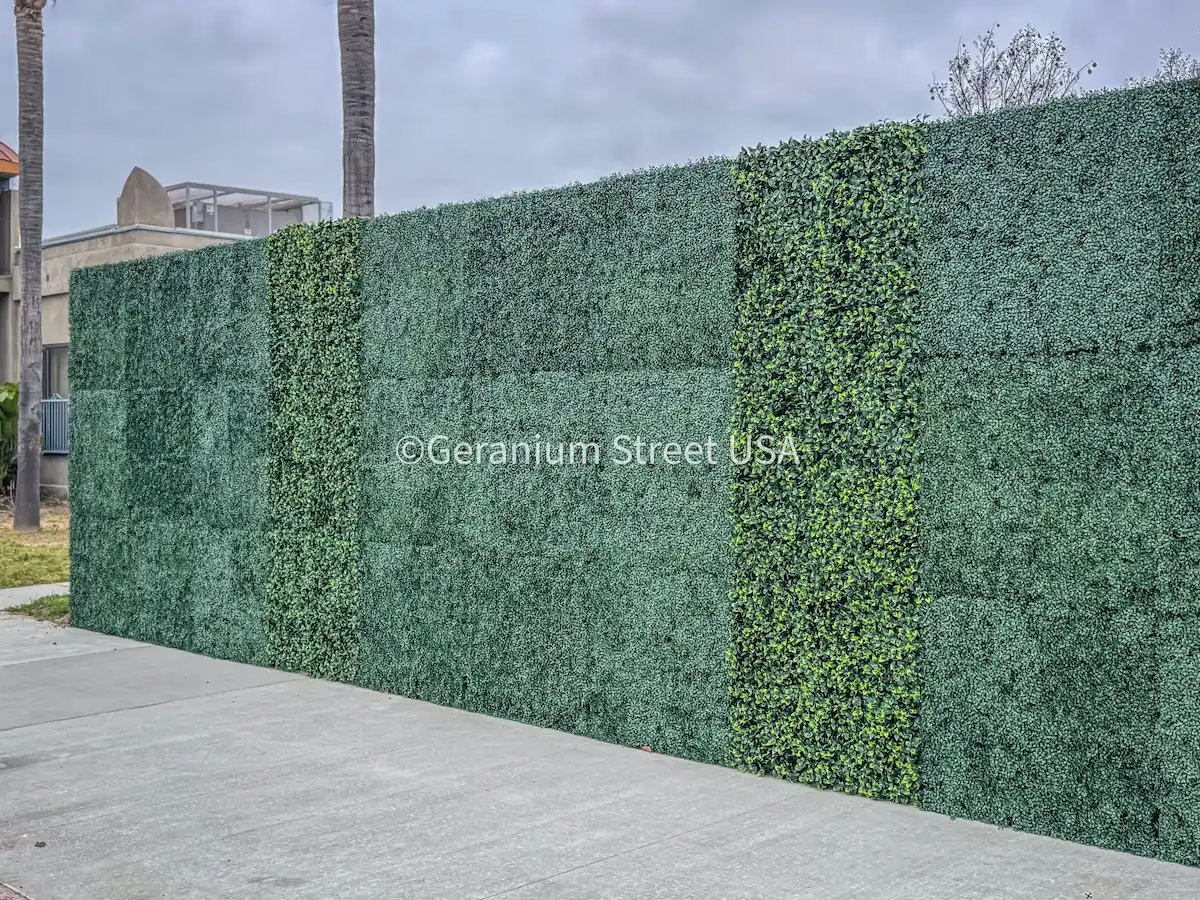
Quality varies widely. Consumer-grade tiles tend to read as artificial within a year of California sun. Commercial-grade, UV-stabilized panel systems with mixed leaf tones and professional seaming are realistic at conversational distance — most visitors do not notice. We are glad to share close-up photos of completed installations.
How long do artificial privacy hedges last outdoors?
UV-stabilized commercial product typically lasts 8–10 years outdoors in California exposure, with service life varying by sun intensity and siting. Qualifying products carry a 3–5 year limited UV fading warranty (varies by product line).
Is ficus a good privacy hedge?
Ficus is fast and dense, which is why it is so common — but its surface roots damage hardscape and find pipes, it demands significant water, and whitefly infestations are a recurring regional problem. It can be the right choice on large lots away from pavement; near patios, pools, and walkways, many owners regret it.
Need project-specific guidance before design or procurement moves forward?
Share the site conditions, privacy goals, or wall type you are evaluating and we can help you narrow the right system for the project.