Is preserved moss always the better interior option?
Not always. The right choice depends on design goals, exposure conditions, and maintenance strategy.
A design-fit comparison for interiors, hospitality spaces, and controlled environments.
At a glance
This guide helps design teams compare artificial foliage walls and preserved moss walls by visual language, environmental fit, and long-term ownership expectations. It is intended for interiors and controlled environments where material choice affects both the look of the space and the maintenance model after handoff.
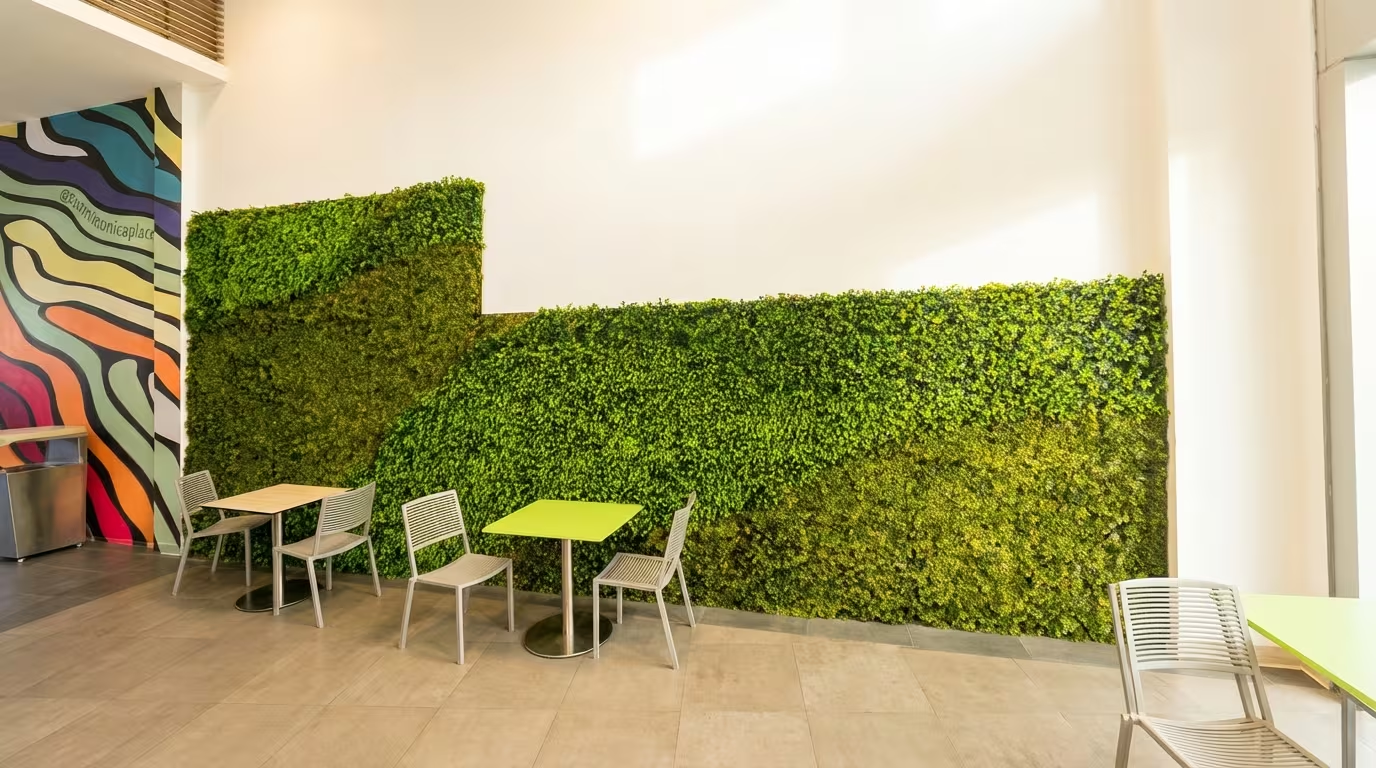
Artificial foliage walls and preserved moss walls can both create a strong biophilic moment, but they solve different design problems. Preserved moss is often chosen for a quieter, softer, more tactile surface in tightly controlled interiors. Artificial foliage systems are typically chosen when the project wants more depth, more botanical range, and more flexibility in how and where the wall can be used. This is less about which one is more beautiful and more about what the wall needs to do. Texture, exposure, maintenance access, and the visual language of the project should drive the choice.
Preserved moss
Softer, flatter, more tactile, and often quieter in expression.
Artificial foliage
Deeper, more dimensional, and more adaptable across different visual directions.
Boutique interiors
Often lean toward moss when the space wants restraint and texture over depth.
Larger feature walls
Often benefit from artificial foliage when more scale, layering, and visual movement are needed.
40-60%
Humidity required
Preserved moss needs consistent ambient humidity to avoid drying and crumbling
0%
Humidity sensitivity
Artificial moss tolerates any indoor humidity level without degradation
Indefinite
Artificial lifespan
No organic degradation timeline when kept clean and out of direct sun
| Factor | Artificial Foliage Wall | Preserved Moss Wall |
|---|---|---|
| Visual depth | More dimensional, layered botanical range | Flatter, softer, more tactile surface |
| Design expression | Lush to architectural depending on composition | Quieter, more restrained |
| Environment tolerance | Broader — works near entries, variable-use zones | Controlled interiors only |
| Humidity sensitivity | Low | High — can degrade in humid or variable conditions |
| Maintenance profile | Periodic cleaning and inspection | Environmental monitoring, limited touch-up options |
| Best for | Feature walls, amenity zones, entries, larger surfaces | Boutique interiors, wellness spaces, branded niches |
Last reviewed February 2026 · Content is reviewed periodically and updated when new information is available.
Not always. The right choice depends on design goals, exposure conditions, and maintenance strategy.
Yes. Many premium interior applications use artificial systems with strong composition and detailing.
Yes. Care requirements differ, but both benefit from a documented upkeep approach.
Share the site conditions, privacy goals, or wall type you are evaluating and we can help you narrow the right system for the project.
Request project review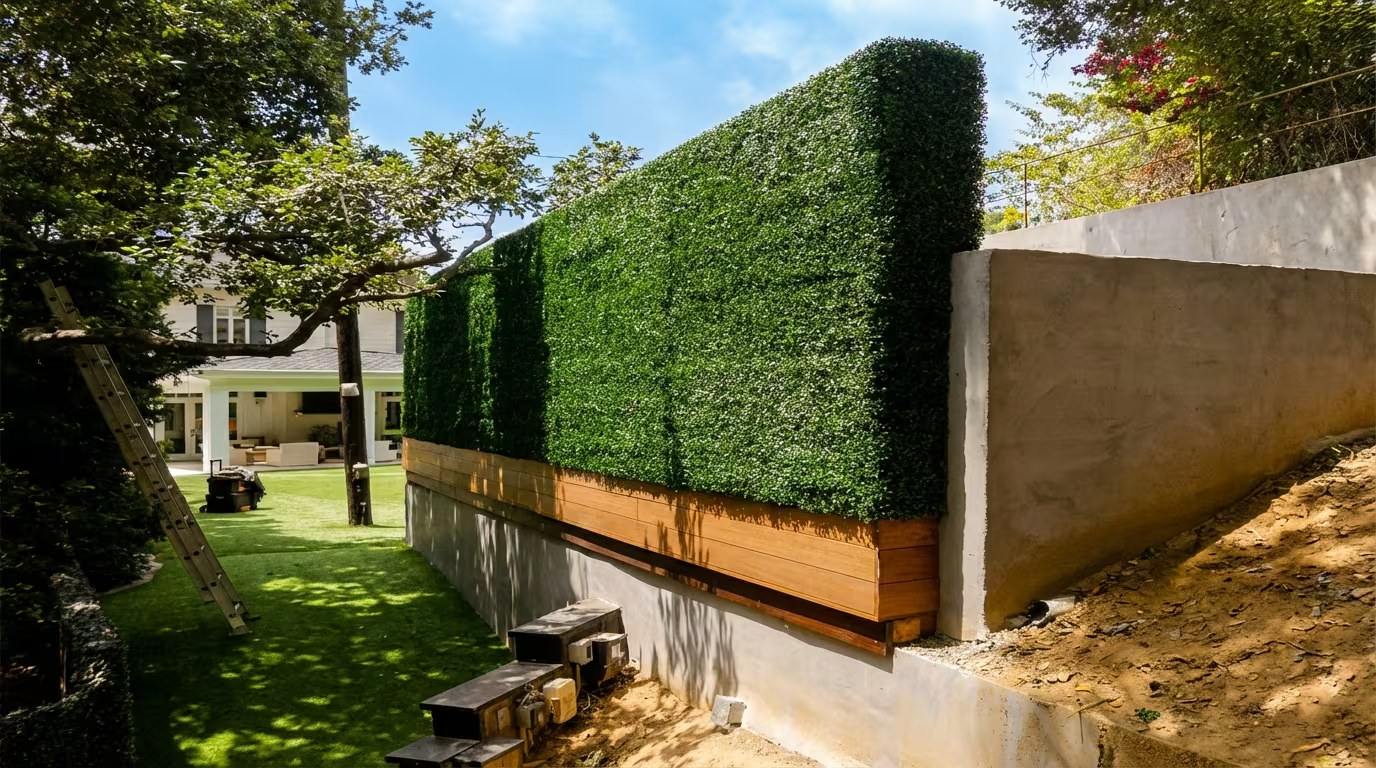
A California planning guide for privacy, screening, and long-term ownership.
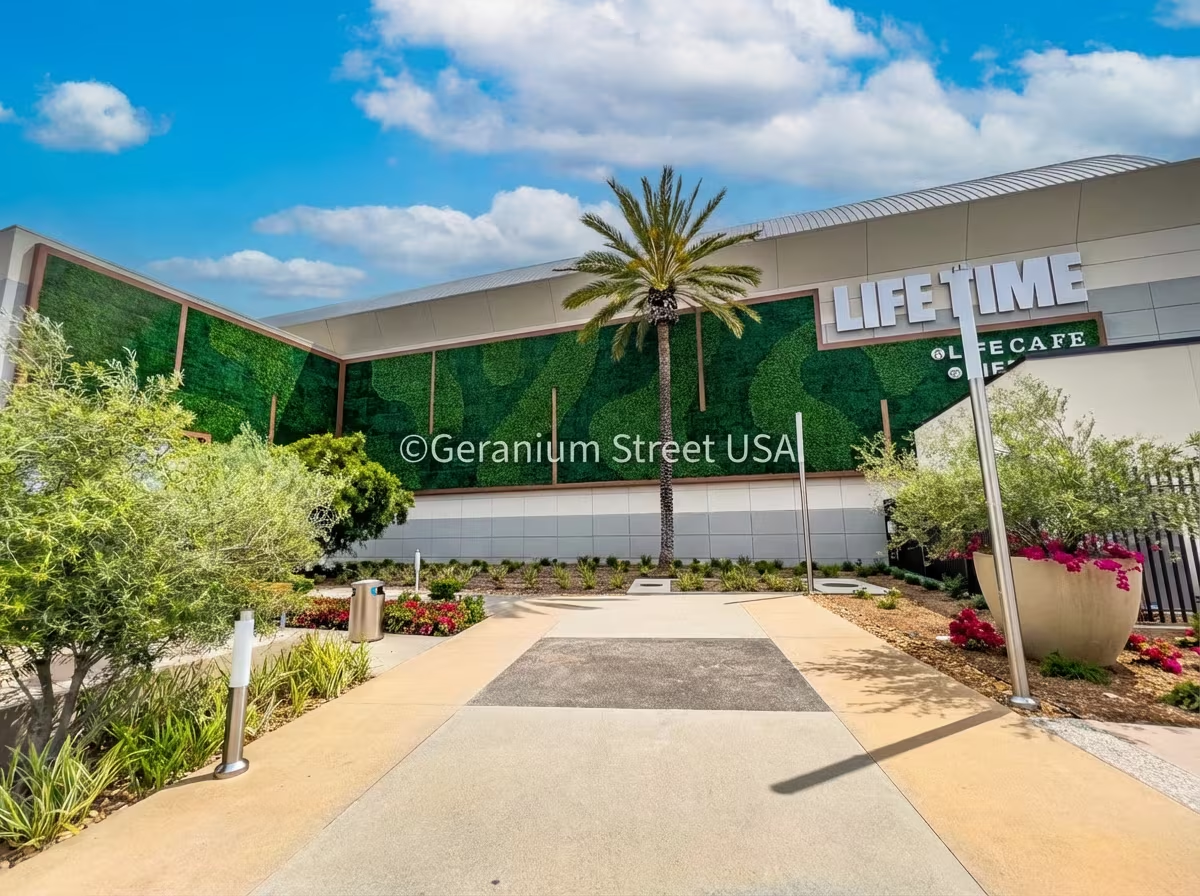
A California planning guide for architects, designers, builders, and owners.

How commercial teams scope visible landscape upgrades without creating operational drag.
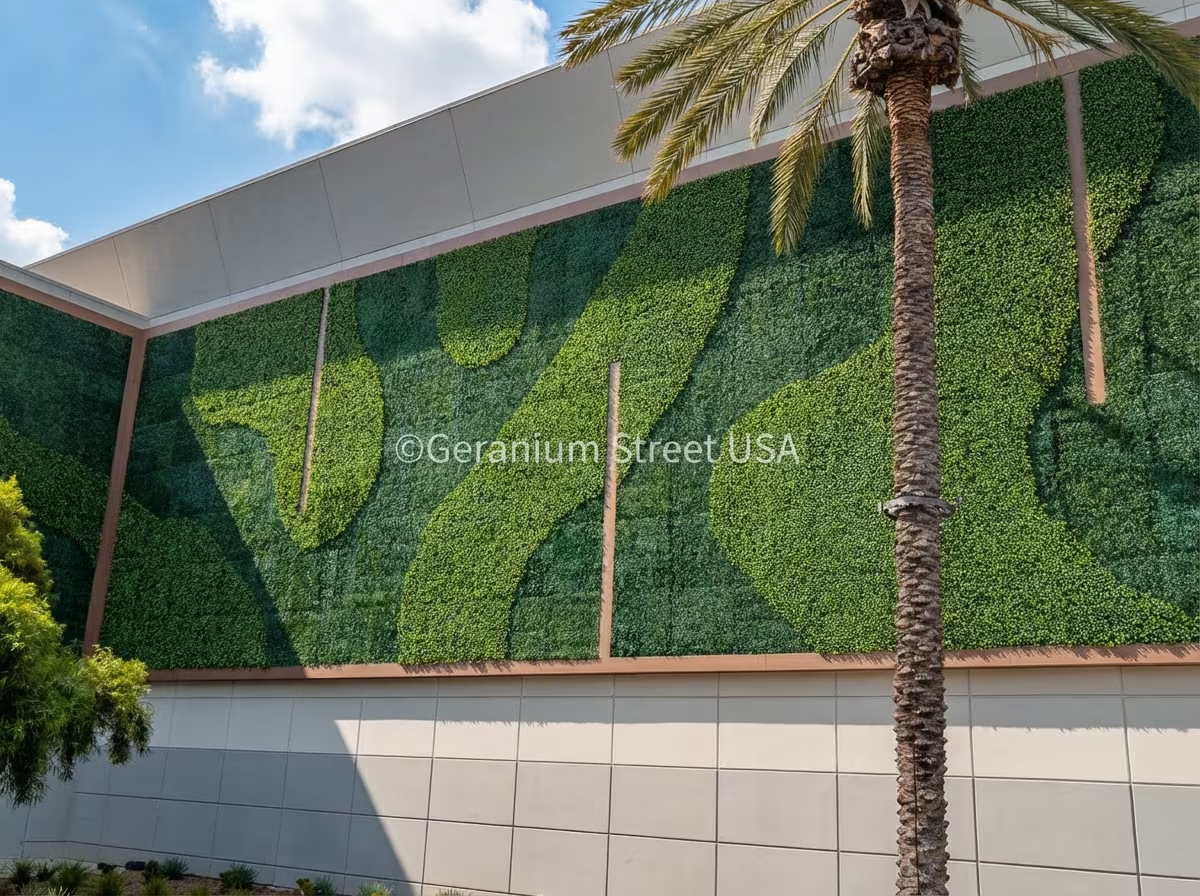
How to budget with real site variables instead of generic square-foot promises.