- The Real Cost of Playing Graffiti Whack-a-Mole
- Why Traditional Graffiti Prevention Fails
- How Artificial Living Walls Change the Game
- The Smart Economics of Prevention
- The Replacement Advantage Nobody Talks About
- Fire Safety That Actually Matters
- UV Protection for Long-Term Economics
- Where This Works Best
- Where to Be Cautious
- Making the Business Case
- Getting Started Right
That blank wall behind your building has been tagged again. Third time this month.
You’re looking at another weekend spent either scrubbing it clean (if you’re lucky) or calling in professional graffiti removal (if you’re not). Either way, you know it’ll just happen again in a few weeks.
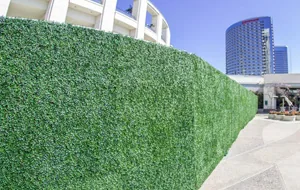
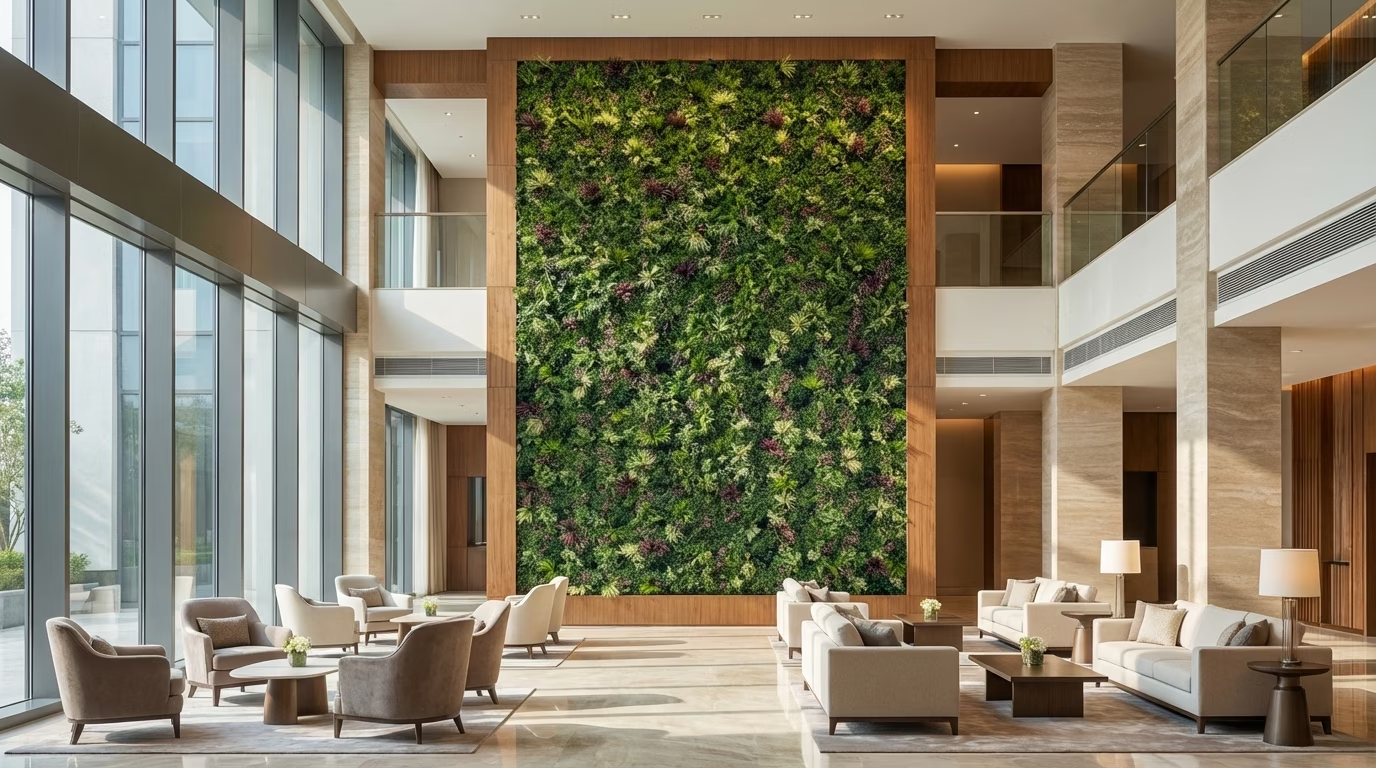
Here’s what property managers across California are discovering: artificial living walls don’t just solve the graffiti problem – they eliminate it entirely.
The Real Cost of Playing Graffiti Whack-a-Mole
Let’s talk numbers because this gets expensive fast.
Professional graffiti removal runs $300-800 per incident, depending on the size and surface. Paint matching and touch-ups add another $200-500. If you’re dealing with multiple tags or complex artwork, you’re easily looking at $1,000+ each time.
Now multiply that by how often it happens. Most commercial properties with graffiti problems see new tags every 2-4 weeks. That’s $6,000-12,000 per year per wall.
And that’s just the direct costs. We haven’t talked about:
- Lost rental income when the building looks run-down
- Decreased property values
- Code compliance issues
- Management time dealing with contractors
The hidden costs add up fast.
Why Traditional Graffiti Prevention Fails
Most property owners try the usual stuff first:
Anti-graffiti coatings – Work for a while, but wear off and need constant reapplication. Plus, aggressive cleaning eventually damages the underlying surface.
Security cameras – Might catch someone in the act, but that doesn’t prevent the graffiti from happening. And prosecuting graffiti cases is notoriously difficult.
Landscaping – Planting thorny bushes sounds good in theory, but it takes years to grow tall enough to matter. Plus, maintenance becomes another headache.
Motion lights – Help a little, but determined graffiti artists work around them.
The problem with all these approaches? They’re reactive. You’re still playing defense.
How Artificial Living Walls Change the Game
Here’s the thing about graffiti artists – they want visibility. They’re looking for smooth, light-colored surfaces where their work will stand out.
An artificial living wall gives them the opposite of what they want:
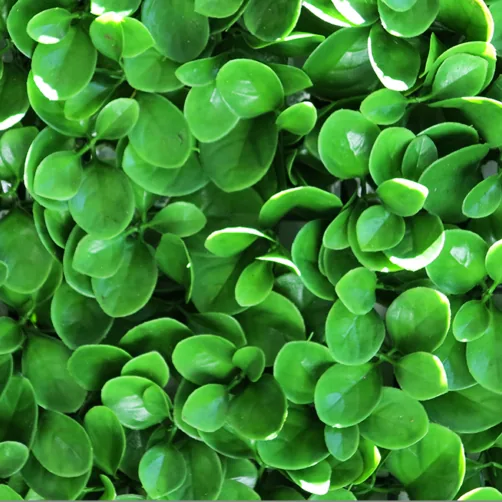
Textured surface – Makes it nearly impossible to create clean lines or readable text. Most graffiti artists won’t even bother.
Dark, varied colors – Even if someone tries to tag it, the artwork gets lost in the green texture and becomes invisible.
No “canvas” feel – There’s something psychological about a blank wall that invites graffiti. A wall covered in greenery doesn’t trigger that same response.
The Smart Economics of Prevention
Here’s where it gets interesting from a cost perspective.
A quality artificial living wall installation typically costs $15-25 per square foot. For a 200-square-foot wall (pretty typical for commercial properties), you’re looking at $3,000-5,000 installed.
Remember those graffiti removal costs? You just paid for the living wall with 6-8 months of graffiti incidents you’ll never have to deal with.
But it gets better – the wall pays for itself while providing other benefits like improved aesthetics, increased property values, and zero ongoing maintenance costs.
The Replacement Advantage Nobody Talks About
Here’s something that separates artificial living walls from other graffiti prevention methods: segment replacement.
Let’s say the impossible happens and someone actually manages to damage part of your living wall. With traditional solutions, you’d need to redo the entire surface to get a proper color match.
With artificial living walls, you replace just the damaged panels. Takes about 20 minutes, costs under $100, and looks perfect because the panels are manufactured to identical specifications.
This is huge for property managers because:
- No need to close areas during extensive repairs
- No waiting for contractors to schedule complete repainting
- No color-matching issues that leave obvious patches
- Minimal disruption to tenants or customers
Fire Safety That Actually Matters
For commercial properties, fire safety isn’t optional. Many building codes have specific requirements, especially for multifamily housing and retail spaces.
Quality artificial living walls can be manufactured to meet NFPA 701 Method 2 fire resistance standards. This means they’re actually tested and certified for fire safety – not just “fire resistant” according to marketing claims.
This matters because it protects you legally and can actually help with insurance requirements. Some property managers even see reduced insurance premiums when they can document fire-safe building improvements.
UV Protection for Long-Term Economics
Southern California sun is brutal on everything, but especially on anything trying to stay green year-round.
The artificial living walls that work long-term use UV inhibitors throughout the material, not just sprayed on the surface. This means they maintain their color and appearance for 8-10 years without fading.
Cheap products fade to yellow within 6-18 months, which defeats the entire purpose. You end up with an ugly wall that might actually attract more graffiti than before.
Where This Works Best
Artificial living walls for graffiti control work great in specific situations:
Loading docks and service areas – Places that are functional but visible to the public
Retail centers – Especially end caps and side walls that face parking lots
Apartment complexes – Common area walls, garage entrances, perimeter fencing
Restaurant patios – Areas where customers can see but graffiti artists might target
Office building exteriors – Professional appearance while eliminating ongoing maintenance
Where to Be Cautious
This isn’t the right solution everywhere:
If you’re dealing with serious gang territory marking, the underlying social issues need addressing first. Living walls alone won’t solve territorial disputes.
Historic buildings or areas with design restrictions might have limitations on what you can install.
Areas with extreme weather (like frequent hail) might need specialized materials or protection.
Making the Business Case
When you present this to ownership or management companies, focus on the total cost of ownership over 5 years:
Traditional approach: $6,000-12,000 annually for graffiti removal, plus aesthetic damage to property values
Living wall approach: $3,000-5,000 upfront, then virtually nothing for 8-10 years
The math isn’t even close. And that doesn’t include the improved property appearance, reduced management headaches, and elimination of code compliance issues.
Getting Started Right
The key to success is proper planning and quality materials. Cheap installations look terrible and don’t last, which defeats the purpose.
Work with installers who understand commercial property requirements, have fire-rated options available, and can provide references from similar properties.
Most importantly, make sure they can provide segment replacement service. You want to know that five years from now, if you need a panel replaced, they can still match it perfectly.
Tired of dealing with graffiti removal costs and want to explore a permanent solution? We’ve helped dozens of commercial properties across Southern California eliminate their graffiti problems with properly designed artificial living walls. Get in touch for a site evaluation – we’ll walk through your specific situation and explain what’s possible, including fire-rated options and long-term cost projections.
Looking for Artificial privacy for your next event? Contact Evergreen Event Rental today.