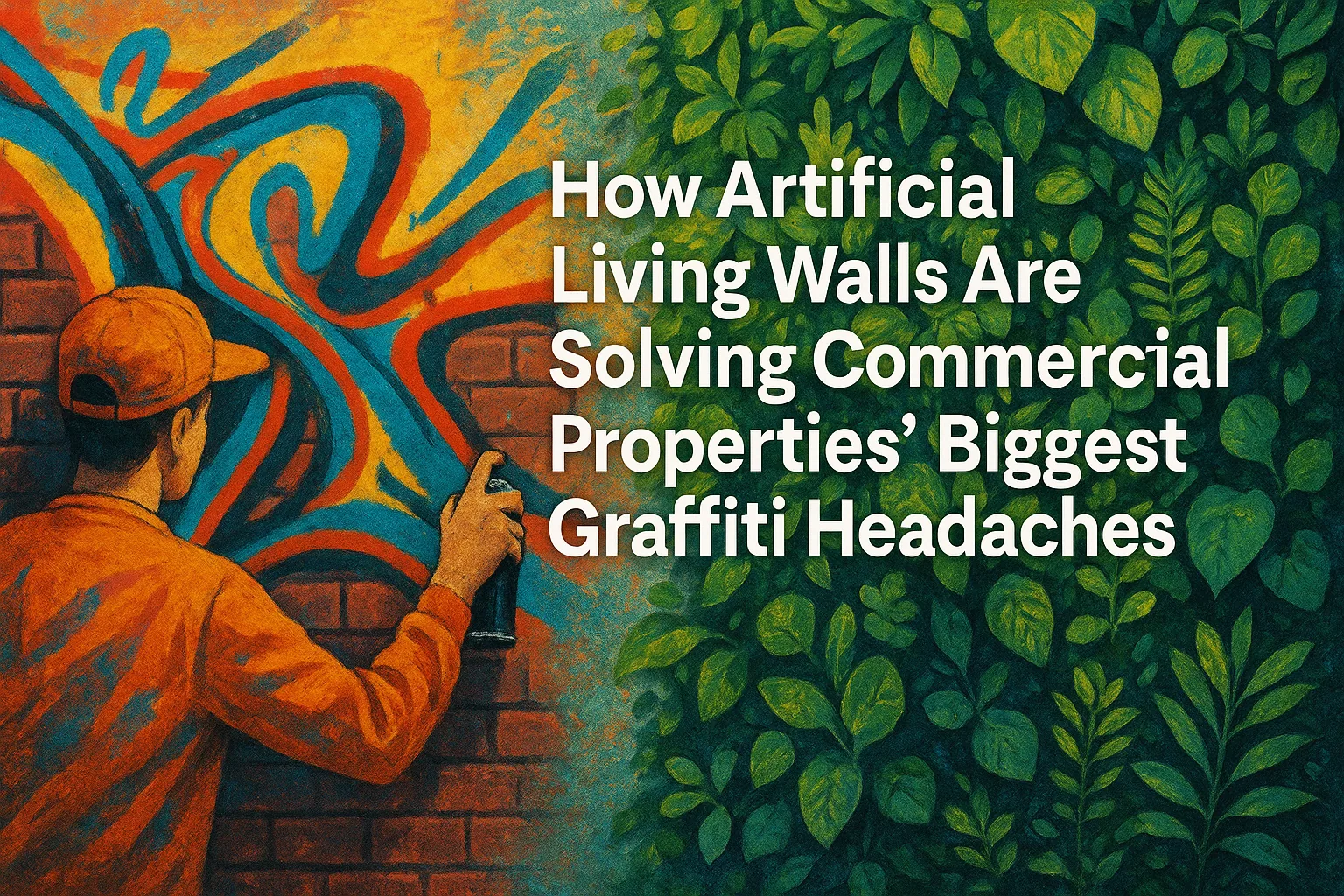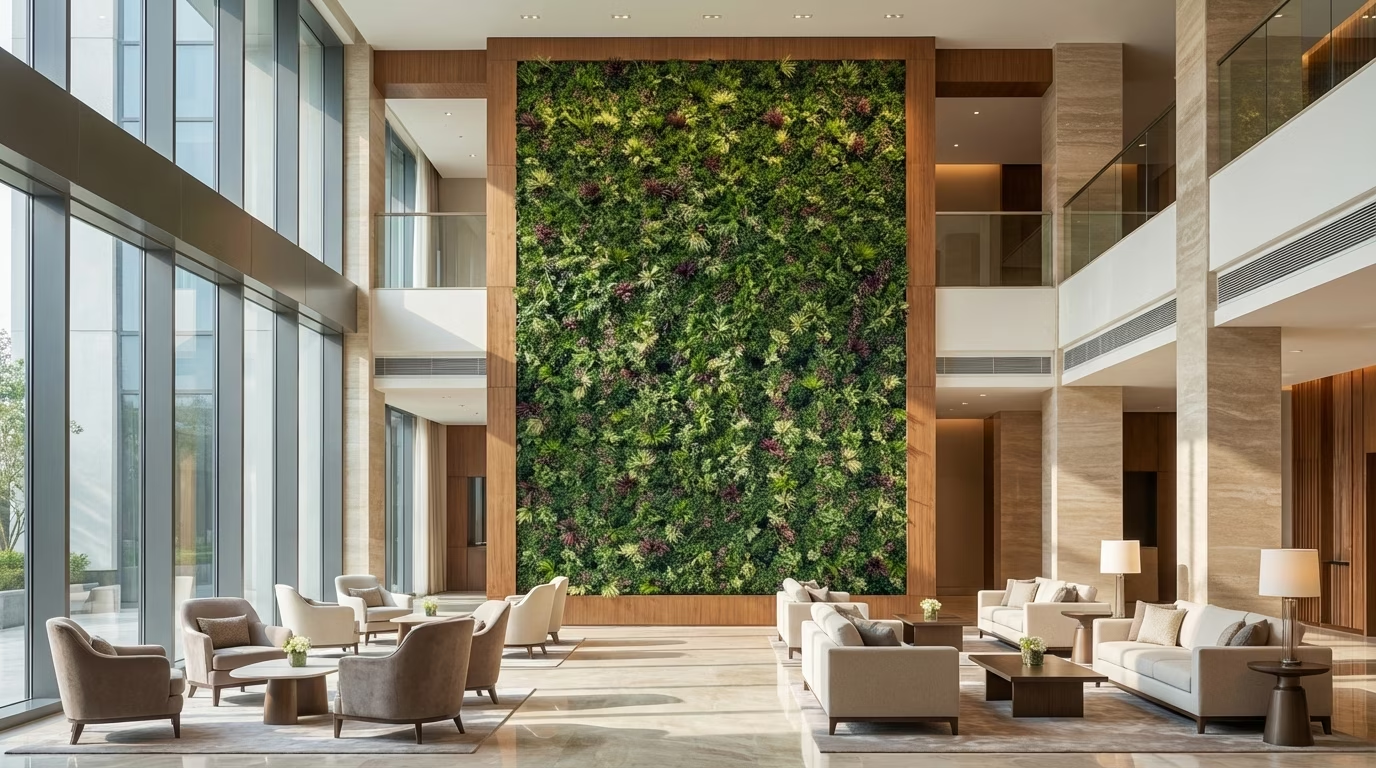
Some walls become part of a maintenance routine no one wants. They get tagged, cleaned, touched up, and tagged again. By the time the paint is dry, the property team is already waiting for the next call.
Artificial living walls offer a different way to think about the problem. They do not just cover damage after it happens. They can change the kind of surface the property is presenting in the first place.
Why blank walls stay vulnerable
A broad, visible wall with little texture is easy to approach and easy to mark. That is why alleys, service edges, apartment perimeters, and back-of-house commercial walls often become repeat problem areas.
As long as the wall stays blank, the property is usually stuck in a reactive cycle.
What a green wall does differently
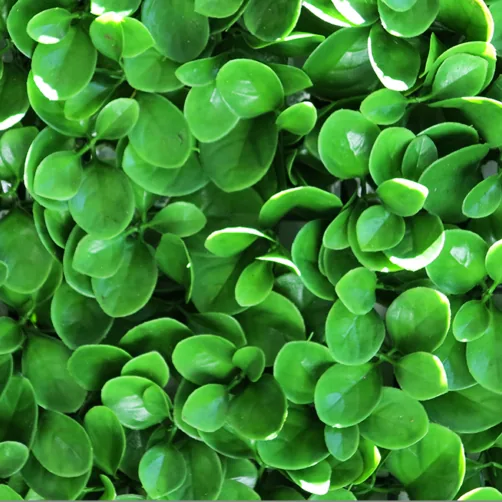
An artificial living wall adds depth, pattern, and a finished surface that feels intentional. In the right location, that can reduce how attractive the wall is as an easy graffiti target while also making the property look better every day.
It is not a universal anti-graffiti guarantee. It is a smarter architectural response on the sites where the wall itself is the problem.
Why commercial owners look at this approach
- It upgrades a problem wall instead of repainting it again.
- It helps tenant-facing and guest-facing spaces look more finished.
- It can be used to screen unattractive zones without building a heavy new structure.
- It shifts maintenance from repeated paint work to managing a designed installation.
Where it fits best
Artificial living walls tend to make the most sense on commercial and mixed-use properties where appearance matters and repeated graffiti is creating both cost and reputational drag. Entry walls, apartment gate screens, service-side perimeter walls, restaurant boundaries, and retail-adjacent surfaces are common candidates.
It still has to be designed like part of the property
The strongest projects do not look like camouflage. They look deliberate. That means the frame, proportions, edge conditions, and surrounding architecture all matter. When the wall is integrated well, it reads as an upgrade. When it is not, it can feel like another temporary fix.
The takeaway
If the same commercial wall keeps turning into a maintenance problem, repainting alone may not be enough. Artificial living walls give property owners a way to change both the look of the wall and the role it plays on the site.
For a more direct planning guide, see our companion article on graffiti-prone commercial walls or review the graffiti abatement guide.